In response to economic pressures and public unrest, Bolivia has removed import tariffs on agrochemicals and agricultural machinery.
Announced as part of broader economic reforms, this policy aims to mitigate rising input costs exacerbated by currency fluctuations.
Economy Minister Marcelo Montenegro emphasized during a press briefing that this decree follows the 17 National Agreements for Economic and Production Dialogue.
This measure is the third significant initiative after the removal of pharmaceutical tariffs and the establishment of a streamlined export process.
Montenegro stressed that removing these tariffs will cut immediate costs for farmers. It will also provide crucial support amid volatile prices and currency speculation.
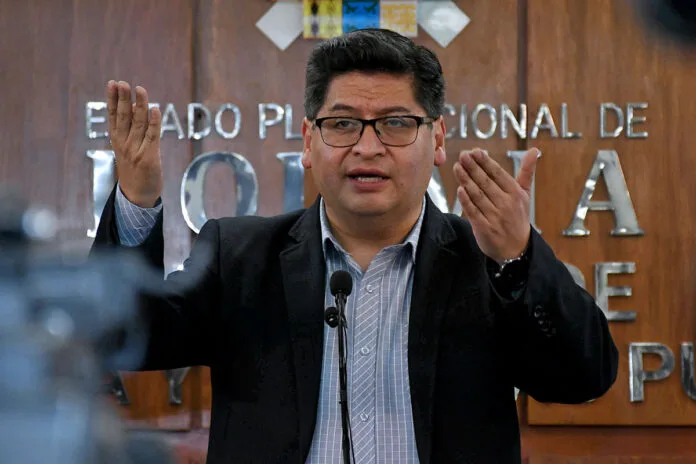
He explained, “Zero tariffs and no VAT on agricultural machinery imports dismantle fiscal barriers to modernization.”
Giovanni Ortuño, president of the Confederation of Private Business Owners of Bolivia, praised the decision.
He recognized its benefits for producers of all sizes and its reflection of ongoing public-private dialogue since April 2023.
Bolivia needs these tariff reductions to alleviate the financial burdens on farmers caused by high input costs and currency instability.
Background
Last week, Bolivia removed import tariffs on wheat and oil machinery.
This strategic move aims to alleviate the financial strain on citizens and stimulate growth in essential sectors.
Marcelo Montenegro, the Economy Minister, emphasized that removing tariffs on oil machinery aims to boost biodiesel production, using locally sourced crops like soybeans and totaí.
This initiative is expected to foster the creation of five to six new biodiesel plants, each requiring an investment of around $30 million.
These facilities should produce between 40 and 80 million liters of biodiesel annually. They will directly supply the state-owned Yacimientos Petrolíferos Fiscales Bolivianos
Bolivia Moves Quickly to Ease Public Unrest with Tariff Cuts
More: Bolivia news in English, every day from The Rio Times.
This article was produced by The Rio Times’ automated newsroom system. How we use AI · Report an error · Editorial responsibility: Matthias Camenzind, Editor-in-Chief