Argentina’s Farmers Bet on Corn as Taxes and Prices Squeeze Soybeans
Argentina, a major player in global grain markets, is shifting its focus from soybeans to corn for the 2025/2026 season.
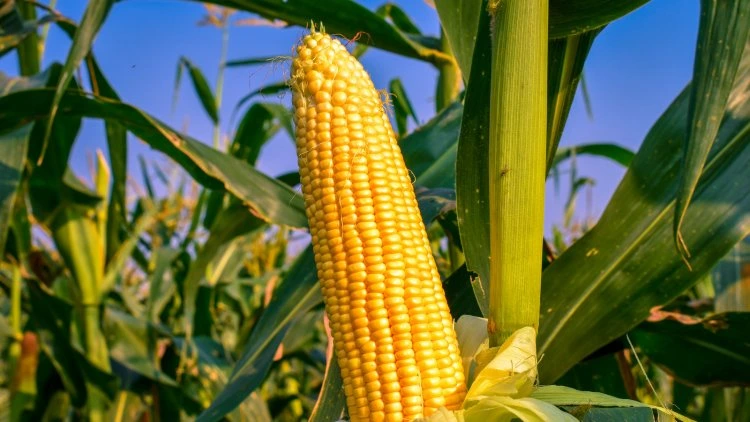
Official data from the Buenos Aires Grain Exchange and the Ministry of Agriculture shows farmers will plant more corn than ever, expecting a harvest of 54 million metric tons—up from last year’s 49 million.
This increase could push corn exports to 37 million tons, one of the highest levels on record. The reason is clear: corn is simply more profitable. The government taxes soybean exports at 33 percent, but corn faces only a 12 percent tax.
With global soybean prices falling to around $370 per ton, many farmers say growing soybeans barely covers costs, especially since over 60 percent rent their land.
Corn, meanwhile, offers steadier prices—between $172 and $200 per ton in 2025—and lower taxes, making it the safer bet. Weather has helped, too. Reports show 92 percent of corn fields have good soil moisture, and 38 percent of crops are in good or excellent shape.
In contrast, heavy rains delayed the soybean harvest in key regions, adding to farmers’ worries. Argentina’s government depends on export taxes for revenue, but farmers argue these policies hold back the country’s full potential.
The government briefly cut taxes on both crops earlier this year, but soon raised them again due to budget needs.
With total grain output expected to reach 135.7 million tons, what happens in Argentina matters far beyond its borders. Shifts in what Argentine farmers plant can change global grain prices and supply.
For now, the numbers show a clear trend: Argentina is betting on corn as the smarter, more reliable crop in a tough economic climate.
More: Brazil news in English, every day from The Rio Times.
This article was produced by The Rio Times’ automated newsroom system. How we use AI · Report an error · Editorial responsibility: Matthias Camenzind, Editor-in-Chief