Argentina’s Central Bank Steps Back: What the New Dollar Policy Means for Everyday Life
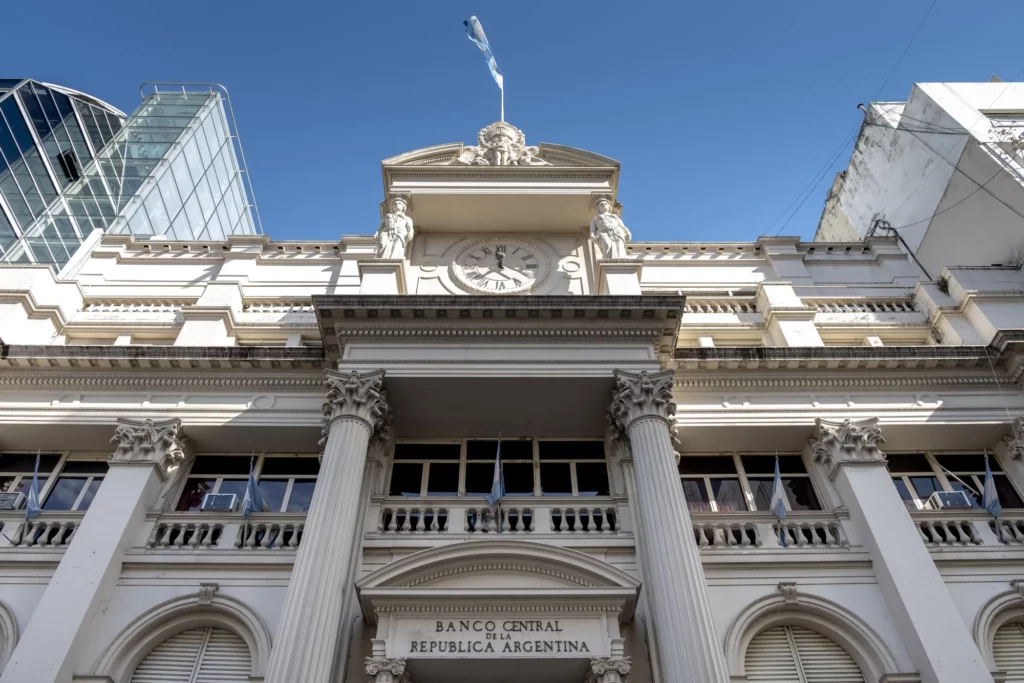
Argentina’s Central Bank has decided to stop buying US dollars unless the peso’s value drops sharply. This move, announced in April 2025, changes how the country manages its currency and affects everyone from shop owners to families saving for the future.
For years, the government tightly controlled how people and businesses could buy dollars. Many Argentines bought dollars to protect their savings from inflation or to pay for imports.
The Central Bank often spent its own reserves to keep the peso from falling too fast. But those reserves have run low, with net reserves estimated at around negative $9.5 billion after heavy losses earlier this year.
Now, the government says it will only step in if the peso weakens beyond 1,400 per dollar. Right now, the peso trades at about 1,179 per dollar, stronger than it was a few weeks ago.
This change means the peso’s value will depend more on what buyers and sellers decide in the market, not on government intervention. The government hopes this new approach will help bring down inflation, which soared above 200% last year.
Prices are still rising, but the monthly rate has slowed to about 3.7%. Officials believe that letting the market set the exchange rate will help stabilize prices over time.
For regular people, these changes bring both hope and uncertainty. On one hand, a stable peso could mean lower inflation and more predictable prices for groceries, rent, and other essentials.
On the other hand, if the peso drops quickly, the cost of imported goods could jump, hurting family budgets. The government has also ended special deals that let exporters exchange some of their dollars at higher rates.
Now, all export dollars must go through the official market. This aims to bring more dollars into the country and close the gap between official and black market rates.
Argentina’s leaders say this is a step toward a healthier economy. But the real test will be whether these changes make life easier for ordinary people-helping them save, shop, and plan for the future without worrying about sudden shocks to their wallets.
More: Argentina news in English, every day from The Rio Times.
This article was produced by The Rio Times’ automated newsroom system. How we use AI · Report an error · Editorial responsibility: Matthias Camenzind, Editor-in-Chief
In depth