Angola Shifts Power Away From Luanda Closer To The People
Angola’s Republic Council is set to transform the nation into 20 provinces and 325 municipalities by 2025, aiming to bring governance closer to its people.
This plan, announced by Rosa Cruz e Silva, focuses on enhancing service delivery, particularly in border areas.
Minister Adão de Almeida assures that the restructuring requires no constitutional amendments but emphasizes the development of human resources and infrastructure.
Public and opposition reactions are mixed, with some concerned about financial implications and others welcoming the potential for improved services.
The government encourages public consultation to foster an inclusive approach.
Analysts highlight the need for transparency and accountability to ensure the changes benefit everyone without burdening resources.
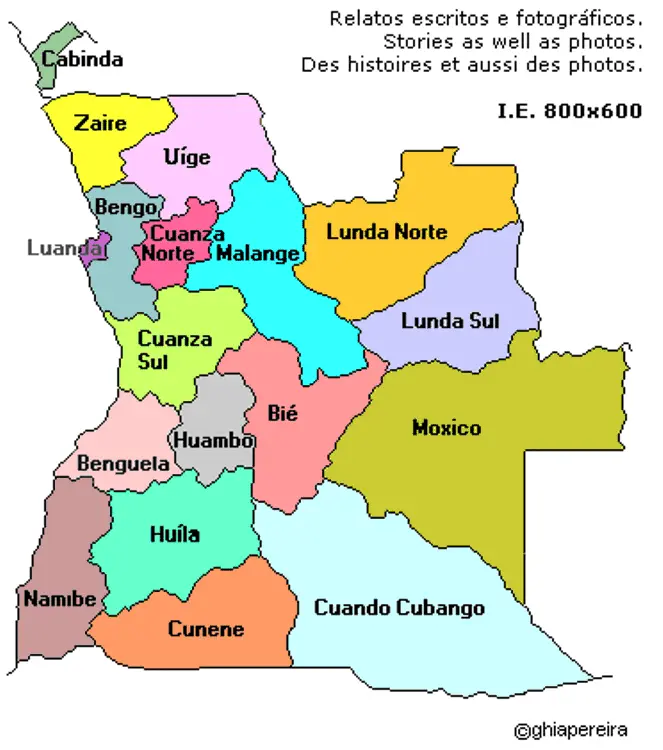
This administrative shift reflects a broader move towards decentralization, mirroring successful models in countries like Brazil and India.
Historically, centralized administration in Angola has left remote areas underserved.
The new structure aims to rectify this, promoting more equitable development across the nation.
Decentralization is recognized globally as a way to empower local authorities and enhance participatory governance.
Effective local governance is crucial for Angola, a country seeking to move past its civil war legacy and socio-economic challenges.
The restructuring is poised to be a significant milestone in Angola’s history, potentially setting a precedent for other nations.
As the initiative unfolds, the government’s commitment to transparency and stakeholder engagement will be crucial.
The successful implementation of this plan could not only transform Angola’s administrative landscape but also mark a significant step towards a more stable and prosperous future.
More: Angola news in English, every day from The Rio Times.
This article was produced by The Rio Times’ automated newsroom system. How we use AI · Report an error · Editorial responsibility: Matthias Camenzind, Editor-in-Chief
Part of our ongoing coverage
Africa: The New Scramble — the great-power contest over the continent.
Living in or visiting Luanda? See this month's events.