IBOV 206,646.34 ▼ 0.13% IPSA 11,139.52 ▲ 0.13% IPC MEX 64,975.08 ▲ 0.69% MERVAL 2,897,435 ▲ 0.97% COLCAP 2,596.95 ▲ 0.55% BVL PERÚ 60,220.93 ▲ 0.51% USD/BRL4.98▼ 0.31% USD/MXN17.96▼ 0.66% USD/CLP973.02▲ 0.05% USD/COP3,232▲ 1.21% USD/PEN3.43▼ 0.52% USD/ARS1,520— 0.00% USD/UYU40.09▲ 2.87% USD/PYG5,835▲ 3.25% USD/BOB11.90▲ 2.31% USD/DOP60.10▲ 4.07% USD/CRC454.50▲ 2.57% USD/GTQ7.64▲ 3.36% USD/HNL26.86▲ 3.49% USD/NIO36.62▲ 2.96% USD/VES870.21▼ 0.13% USD/PAB1.00— 0.00% USD/BZD2.00— 0.00% USD/JMD 157.28 — 0.00% USD/TTD6.68▲ 1.99% EUR/BRL5.60▼ 4.57% BRENT 88.88 ▼ 0.03% WTI 83.11 ▼ 0.11% IRON ORE 161.91 — — COPPER 6.61 ▲ 0.03% GOLD 4,461 ▲ 1.78% SILVER 65.59 ▲ 1.26% SOY 1,184 ▲ 3.20% CORN 480.50 ▲ 10.02% WHEAT 655.00 ▲ 3.93% COFFEE 317.25 ▼ 5.51% SUGAR 16.43 ▼ 1.79% ORANGE JUICE 138.55 ▼ 0.47% COTTON 85.03 ▲ 2.33% COCOA 5,719 ▲ 3.18% BEEF 223.60 ▼ 3.93% CATTLE 339.10 ▼ 3.16% LITHIUM 75.20 ▲ 1.47% PETR4 41.64 ▼ 0.05% VALE3 72.97 ▲ 0.83% ITUB4 38.60 ▼ 1.03% BBDC4 16.85 ▲ 0.36% ABEV3 14.89 ▼ 0.80% BBAS3 19.37 ▲ 0.47% B3SA3 14.26 ▼ 0.21% WEGE3 47.59 ▲ 0.49% PRIO3 59.14 ▼ 0.19% SUZB3 41.33 ▲ 2.35% RENT3 34.68 ▼ 0.09% AZZA3 15.89 ▼ 2.63% CSAN3 3.22 ▼ 1.83% RAIZ4 0.25 — 0.00% PCAR3 2.75 ▼ 0.36% GMAT3 3.65 ▼ 1.08% PSSA3 48.13 ▼ 0.54% CVCB3 1.33 ▼ 2.92% POSI3 3.36 ▲ 2.44% SLCE3 13.34 ▲ 0.30% NATU3 8.14 ▼ 0.73% IBOV 206,646.34 ▼ 0.13% IPSA 11,139.52 ▲ 0.13% IPC MEX 64,975.08 ▲ 0.69% MERVAL 2,897,435 ▲ 0.97% COLCAP 2,596.95 ▲ 0.55% BVL PERÚ 60,220.93 ▲ 0.51% USD/BRL 5.16 ▲ 0.01% USD/MXN 17.06 ▼ 0.24% USD/CLP 913.98 ▲ 0.04% USD/COP 3,140 ▲ 0.03% USD/PEN 3.36 ▼ 0.66% USD/ARS 1,493 ▲ 0.10% USD/UYU 40.27 ▲ 1.24% USD/PYG 5,939 ▲ 1.68% USD/BOB 11.64 ▼ 0.76% USD/DOP 58.34 ▲ 1.25% USD/CRC 445.92 ▲ 0.89% USD/GTQ 7.62 ▲ 2.21% USD/HNL 26.79 ▲ 1.57% USD/NIO 36.62 ▲ 0.69% USD/VES 762.44 ▼ 0.13% USD/PAB 1.00 — 0.00% USD/BZD 2.00 — 0.00% USD/JMD 157.28 — 0.00% USD/TTD 6.70 ▲ 0.61% EUR/BRL 5.95 ▲ 1.01% BRENT 88.88 ▼ 0.03% WTI 83.11 ▼ 0.11% IRON ORE 161.91 — — COPPER 6.61 ▲ 0.03% GOLD 4,461 ▲ 1.78% SILVER 65.59 ▲ 1.26% SOY 1,184 ▲ 3.20% CORN 480.50 ▲ 10.02% WHEAT 655.00 ▲ 3.93% COFFEE 317.25 ▼ 5.51% SUGAR 16.43 ▼ 1.79% ORANGE JUICE 138.55 ▼ 0.47% COTTON 85.03 ▲ 2.33% COCOA 5,719 ▲ 3.18% BEEF 223.60 ▼ 3.93% CATTLE 339.10 ▼ 3.16% LITHIUM 75.20 ▲ 1.47% PETR4 41.64 ▼ 0.05% VALE3 72.97 ▲ 0.83% ITUB4 38.60 ▼ 1.03% BBDC4 16.85 ▲ 0.36% ABEV3 14.89 ▼ 0.80% BBAS3 19.37 ▲ 0.47% B3SA3 14.26 ▼ 0.21% WEGE3 47.59 ▲ 0.49% PRIO3 59.14 ▼ 0.19% SUZB3 41.33 ▲ 2.35% RENT3 34.68 ▼ 0.09% AZZA3 15.89 ▼ 2.63% CSAN3 3.22 ▼ 1.83% RAIZ4 0.25 — 0.00% PCAR3 2.75 ▼ 0.36% GMAT3 3.65 ▼ 1.08% PSSA3 48.13 ▼ 0.54% CVCB3 1.33 ▼ 2.92% POSI3 3.36 ▲ 2.44% SLCE3 13.34 ▲ 0.30% NATU3 8.14 ▼ 0.73%
since 2009
Tuesday, October 6, 2026

Ancient Volcanoes on Moon’s Dark Side Rewrite History

By · November 15, 2024 · 2 min read

The Moon’s far side tells a different story than scientists expected. Recent samples from China’s Chang’e-6 mission revealed volcanic rocks dating back 4.2 billion years.

This discovery changes our basic understanding of how the Moon formed and evolved. Think of the Moon as a book with two covers. We’ve only read the front cover – the side facing Earth.

Now, for the first time, we’re reading the back cover. The story there shows volcanoes erupting on both sides but in different ways. The samples prove volcanic activity lasted over a billion years on the far side.

This challenges the theory that the Moon cooled quickly after formation. Something kept the far side’s interior hot enough to produce magma for much longer than previously thought.

This matters because the Moon serves as a time capsule of our solar system’s early days. Unlike Earth, the Moon hasn’t erased its ancient history through plate tectonics and erosion.
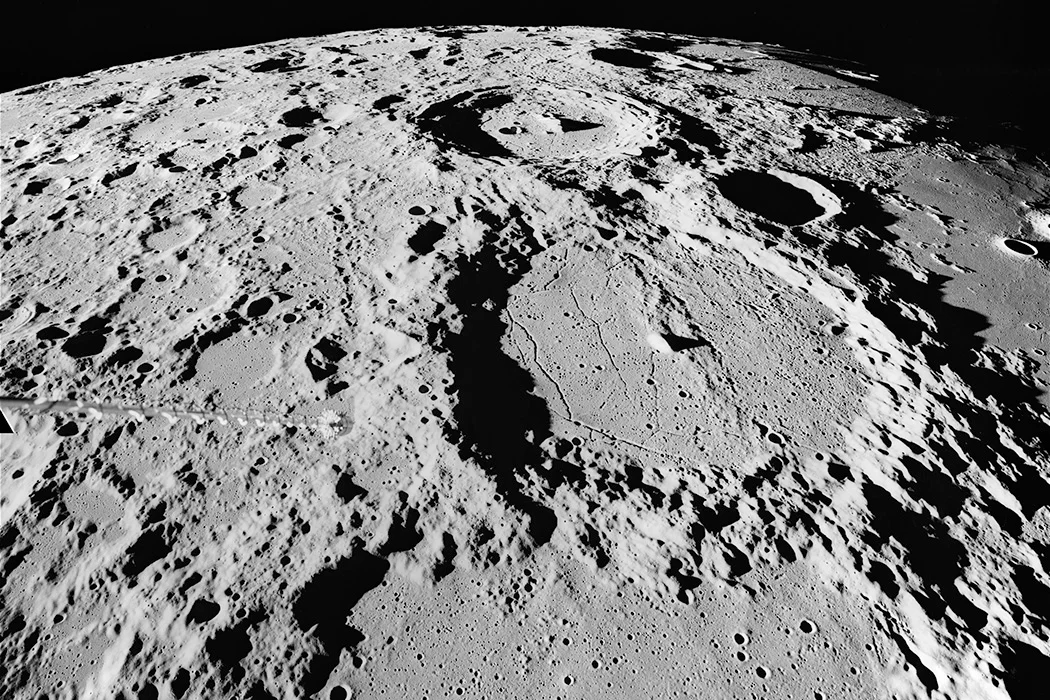
Ancient Volcanoes on Moon's Dark Side Rewrite History
Ancient Volcanoes on Moon’s Dark Side Rewrite History.
RT
Ask Rio Times
17 years of Latin America reporting, on demand.
Open the full Ask Rio Times →

These volcanic rocks are like frozen moments from billions of years ago. The difference between the Moon’s two faces has puzzled scientists for decades.

The LatAm Brief

One email, every weekday morning. What moved in Latin American markets, politics and expat life.

Yesterday’s subject line: “Brazil stocks jump 7.7%, real up 4%, after the vote”

Free. We send a confirmation link first — nothing arrives until you click it. Unsubscribe with one click in any edition. If you stop opening us for 30 days we stop sending by ourselves, as we assume the interest is no longer there. See our privacy policy. We never share your email.

The near side shows vast dark plains from ancient lava flows. The far side appears more rugged and cratered. These new samples help explain why these differences exist.

A Groundbreaking Lunar Discovery

China’s Chang’e-6 mission achieved something remarkable – bringing back the first rocks ever collected from the far side. Previous missions only studied this region from orbit or through remote instruments.

Now scientists can examine actual pieces of this mysterious terrain. The age of these volcanic rocks – 2.8 to 4.2 billion years – fills a crucial gap in lunar history.

It shows that molten rock continued to reach the surface long after the Moon should have frozen solid. This suggests the Moon’s internal heating system worked differently than current models predict.

These findings could force scientists to redraw their maps of the Moon‘s interior structure. The extended volcanic activity means heat sources must have persisted longer than expected.

This might lead to new theories about how rocky worlds evolve. The discovery also raises practical questions for future lunar exploration.

Understanding the Moon’s volcanic history helps identify safe landing sites and potential resources. It could guide decisions about where to build future lunar bases.

This research proves that even after decades of lunar studies, our cosmic neighbor still holds surprising secrets. Each new discovery about the Moon’s past helps us better understand Earth’s own history and our place in the solar system.universe.

This article was produced by The Rio Times’ automated newsroom system. How we use AI · Report an error · Editorial responsibility: Matthias Camenzind, Editor-in-Chief

Read More from The Rio Times

Rotate for Best Experience

This report is optimized for landscape viewing. Rotate your phone for the full experience.