After the Bombs, the Talking Begins: Iran and the U.S. Return to the Table With Everything on the Line
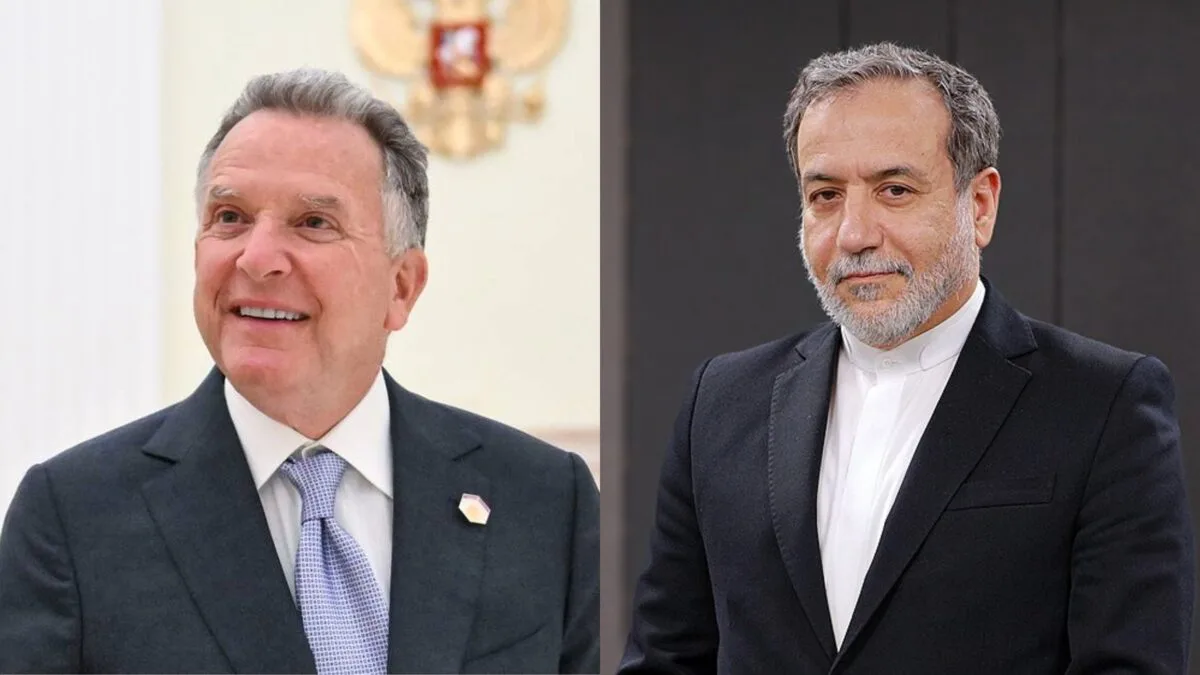
Something remarkable happened in Oman on Friday: enemies who bombed each other eight months ago sat in the same building and talked. Iranian Foreign Minister Abbas Araghchi called it “a good start.” This is part of The Rio Times’ daily coverage of global affairs and Latin American financial news.
On the American side of the hall sat envoy Steve Witkoff, Jared Kushner, and — notably — CENTCOM commander Admiral Brad Cooper, a reminder that the military option was sitting right at the table.
The backdrop is staggering. Last June, Israel launched Operation Rising Lion with U.S. bunker-buster support, destroying or damaging enrichment sites at Natanz, Fordow, and Isfahan, and killing senior IRGC commanders and nuclear scientists.
Iran fired back with over 550 ballistic missiles at Israeli cities, then struck the largest American base in the Middle East, in Qatar. A ceasefire stopped the shooting, but left the nuclear question dangerously open.
Before the war, Iran had amassed 408 kilograms of near-weapons-grade uranium — enough for up to nine bombs, according to the IAEA. Tehran now claims enrichment has stopped. International inspectors have not been allowed to verify.
What pulled both sides back to diplomacy was desperation. Iran’s economy is collapsing: the rial has lost roughly 20,000 times its 1979 value, inflation tops 42 percent, and seven million people face hunger.
Protests that erupted on December 28 over the currency crisis spread to all 31 provinces before a crackdown that killed thousands — Iran’s government acknowledges 3,117 dead; activist groups report over 6,000; some estimates run far higher.
From Washington, Trump dispatched the USS Abraham Lincoln carrier strike group and warned that another attack would make June “look like peanuts.”
The political framing splits sharply. Progressive voices argue that sanctions and military threats punish ordinary Iranians while entrenching the hardliners they claim to oppose.
Conservative commentators counter that only maximum pressure — economic and military — can stop a theocratic regime from acquiring nuclear weapons, repressing its own citizens, and arming proxies across the region.
For now, the impasse is structural. Araghchi insists Iran will discuss only its nuclear program. Washington wants missiles and human rights on the agenda.
Until that gap closes, the carrier group stays, the strait stays volatile, and 90 million Iranians wait to learn whether words or weapons will decide what comes next.
Download full report here.
Related coverage: Brazil’s Morning Call | Ibovespa Holds Near Record as Earnings Season Splits Brazili
This article was produced by The Rio Times’ automated newsroom system. How we use AI · Report an error · Editorial responsibility: Matthias Camenzind, Editor-in-Chief
Read More from The Rio Times