Italian State to Control TIM Brasil, Dubbed a ‘Jewel’
Key Facts
—Control. Poste Italiane’s takeover of Telecom Italia will hand indirect control of TIM Brasil to the Italian state.
—Backer. Poste Italiane is roughly 64%-owned by the Italian government.
—Offer. launched in March at €10.8 billion (about US$12.5 billion), now valued above €13 billion (about US$15 billion).
—Board. Telecom Italia’s directors unanimously backed the bid on 18 July 2026.
—Threshold. Poste needs acceptance from more than two-thirds of TIM shareholders.
—Quote. TIM Brasil chief Alberto Griselli says the new owner already calls Brazil “a jewel” of the group.
—Timing. Poste is targeting completion by the end of 2026.
A shift in TIM Brasil control is unfolding thousands of kilometres from Brazil, in the boardrooms of Rome, as the Italian state moves to take over Telecom Italia and, with it, the Rio de Janeiro-based mobile operator that executives now describe as “a jewel” of the wider group. Poste Italiane’s multibillion-euro bid for Telecom Italia would return Italy’s former phone monopoly to government hands three decades after privatisation, and hand Brasília’s telecoms landscape a new ultimate owner: the Italian Treasury.
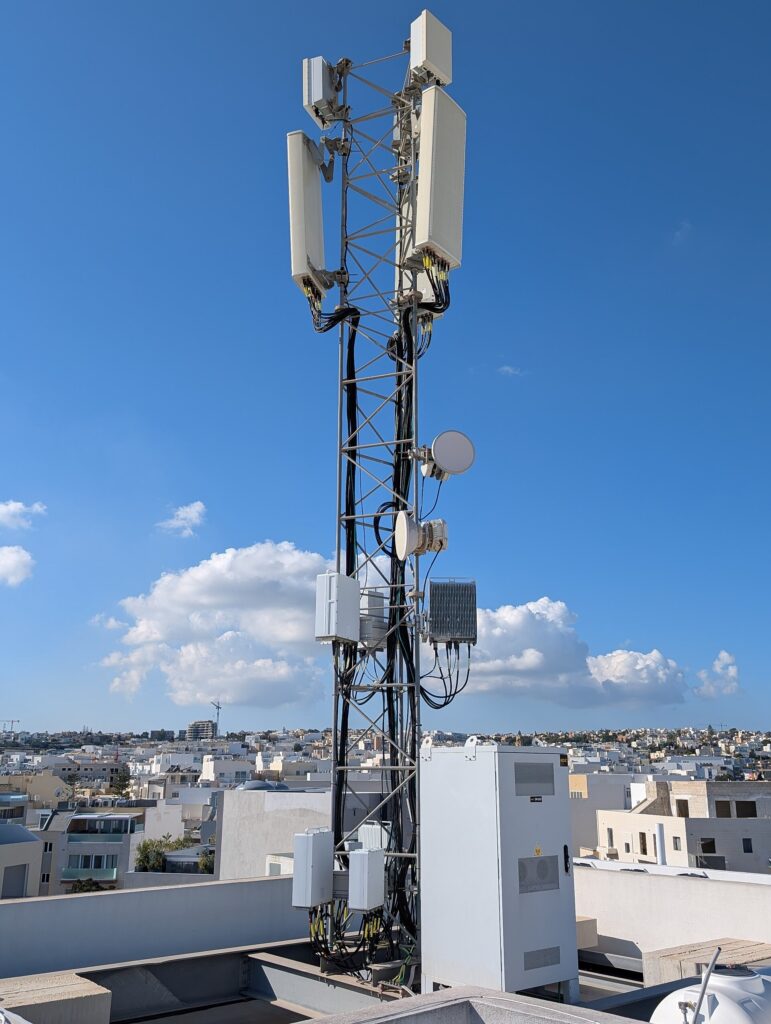
A telecom giant returns to state hands
Poste Italiane, the Italian postal-and-financial group that is about 64%-owned by the state, has launched a public tender and exchange offer for Telecom Italia, the parent of TIM Brasil. Telecom Italia’s board voted unanimously to back the offer on 18 July 2026, days after Italy’s market regulator, Consob, cleared the offer document. The subscription period opened on 20 July and runs into September.
The bid launched in March at about €10.8 billion (roughly US$12.5 billion). Because Poste is paying partly in its own shares, which have since appreciated, the headline value has climbed to more than €13 billion (about US$15 billion). For Poste to secure full control, more than two-thirds of Telecom Italia’s shareholders must accept, a threshold the company is confident of clearing given it is already the largest single investor.
The offer combines cash and Poste shares, a structure that ties the final value to the postal group’s market performance and has already lifted the headline price since the launch. That share component is central to the acceptance threshold: some Telecom Italia holders will weigh not only the cash on offer but the prospect of becoming shareholders in a state-controlled group with its own dividend priorities.
How control flows from Rome to Rio
The mechanics run through a chain of holdings. Poste is already the biggest shareholder in Telecom Italia, having built a stake of around a quarter of the company after buying out the French group Vivendi in stages. If the tender succeeds, Poste will hold more than half of Telecom Italia. Telecom Italia in turn controls the corporate structure that owns roughly two-thirds of TIM, the group’s listed Brazilian arm.
That layered ownership means the Italian state, through Poste, would sit at the top of a pyramid whose base includes one of Brazil’s three national mobile carriers. Poste itself is majority state-owned, directly through the Treasury and through the state lender Cassa Depositi e Prestiti. The practical result is a renationalisation of Telecom Italia, with Brazilian operations swept along by the change in ultimate control.
For Brazilian regulators and minority investors, the immediate reassurance is continuity. Company statements stress there is no forecast of near-term changes to TIM Brasil’s corporate structure, management or operating strategy. The Brazilian business, listed in São Paulo, keeps its own board and local governance.
“A jewel” of the group
The clearest signal of Brazil’s standing in the new structure came from TIM Brasil’s own chief executive. Alberto Griselli told an event in early August that the incoming controlling shareholder had already defined Brazil as “a jewel” of the group, a striking phrase from within an Italian conglomerate whose home market has been squeezed by heavy debt and fierce competition.
The compliment is grounded in performance. TIM Brasil has for years delivered stronger margins and steadier growth than its Italian parent, benefiting from a consolidated three-player mobile market after the carve-up of Oi’s wireless assets. Where Telecom Italia has wrestled with legacy debt and political scrutiny, the Brazilian unit has been a reliable contributor of cash and valuation.
Key Facts
—Acquirer. Poste Italiane, about 64% owned by the Italian state.
—Target. Telecom Italia, parent of TIM Brasil.
—Launch value. €10.8 billion (about US$12.5 billion) in March 2026.
—Current value. more than €13 billion (about US$15 billion).
—Acceptance needed. above 66.67% of Telecom Italia shareholders.
—Board vote. unanimous backing on 18 July 2026; completion targeted by year-end.
— Euro-to-dollar conversions are approximate; the offer’s value moves with Poste’s share price. Any real figures are converted at about 5.08 reais to US$1.
What it means for TIM Brasil
In the short run, very little changes on the ground in Brazil. TIM continues to run its mobile and fibre operations, its shares keep trading in São Paulo, and its local management stays in place. The change is one of ultimate ownership rather than day-to-day control.
Over a longer horizon, a state-anchored parent could reshape strategy. A government-controlled Poste may prioritise stable dividends and long-term infrastructure over aggressive expansion, or it may see the profitable Brazilian arm as a source of value to protect and grow. Griselli’s “jewel” framing suggests the latter reading is gaining ground inside the group.
There is also a governance dimension. Brazilian authorities and minority shareholders will watch how an Italian state owner balances the interests of a listed foreign subsidiary against domestic political priorities at home in Italy. For now, the message from both Rome and Rio is that TIM Brasil operates as normal.
Investors will also watch the dividend question. State-controlled parents often lean on profitable subsidiaries for steady payouts, and TIM Brasil’s cash generation could become more important to Rome if the Italian business remains under pressure. How much capital is reinvested in Brazil versus remitted upward will be a defining test of whether the “jewel” label translates into real support for local growth.
Acquisition appetite undimmed
Far from retreating amid the ownership drama in Italy, TIM Brasil has kept up an active agenda in Brazil. Local reporting through July describes the operator continuing to pursue acquisitions and consolidation opportunities even as the control change plays out overseas, a sign that the Brazilian unit intends to keep growing regardless of who sits at the top of the chain.
That posture reinforces the “jewel” narrative. A subsidiary that keeps investing and hunting for deals while its parent is being taken over is one that expects continued backing. For Brazil’s telecoms market, it points to sustained competition among the three national carriers rather than a pause driven by boardroom upheaval abroad.
Consolidation has been the defining theme of Brazil’s mobile market since the three surviving carriers divided Oi’s wireless assets, and TIM has been an active participant. Continued dealmaking would extend that trend, tightening a market already dominated by three players and shaping the competitive terms for consumers and rivals alike, regardless of the ownership reshuffle unfolding in Italy.
The politics of renationalisation
The takeover carries symbolic weight in Italy. Telecom Italia was privatised in the late 1990s, and its return to majority state influence, through a postal group the government controls, reverses one of the country’s signature sell-offs. Rome has framed the move as protecting strategic infrastructure, echoing a wider European trend of governments reasserting control over telecoms networks deemed critical to national security.
For Brazil, the arrival of a state-anchored ultimate owner introduces a new set of considerations. A parent answerable to Italian political cycles may weigh dividends, investment and network strategy differently from a privately controlled group. Whether that translates into more patient capital for TIM Brasil’s fibre and 5G build-out, or tighter purse strings driven by Italian budget priorities, is a central question for the Brazilian unit’s medium-term trajectory.
Analysts note that state ownership does not automatically mean interference. Poste has stressed operational continuity, and TIM’s São Paulo listing gives minority shareholders a governance check. Still, the change reframes the ownership story of one of Brazil’s three national carriers, from a private multinational to, ultimately, a foreign government.
Timeline and hurdles
The offer’s acceptance period runs into September, with Poste aiming to complete the transaction by the end of 2026, subject to shareholder take-up and remaining regulatory clearances. The two-thirds acceptance threshold is the key gate; failure to reach it would leave Poste a dominant but not fully controlling shareholder.
For Brazil, the relevant approvals are largely a formality at the level of ultimate control, since TIM Brasil’s local operating licences and governance are unaffected by a change in its Italian parent. The story to watch is less about paperwork than about strategy: how a renationalised Telecom Italia chooses to steward the asset its own executives call a jewel.
This is reporting, not investment advice. Confirm current figures with official sources before acting.
Frequently Asked Questions
Who will control TIM Brasil?
If Poste Italiane completes its takeover of Telecom Italia, the Italian state will indirectly control TIM Brasil through the chain of ownership, as Poste is about 64% government-owned.
How big is the offer?
The bid launched in March at about €10.8 billion (US$12.5 billion) and, because part of the payment is in Poste shares, is now valued above €13 billion (about US$15 billion).
Will TIM Brasil change day to day?
Company statements say there is no forecast of near-term changes to TIM Brasil’s structure, management or strategy; the Brazilian arm stays listed and locally governed.
What did executives mean by “a jewel”?
TIM Brasil chief Alberto Griselli said the incoming owner had defined Brazil as “a jewel” of the group, reflecting the unit’s strong margins and growth relative to the Italian parent.
When will the deal close?
Poste is targeting completion by the end of 2026, subject to acceptance from more than two-thirds of Telecom Italia shareholders and remaining approvals.
Related reading
- Poste Italiane, TIM Brasil and the control question
- Telecom Italia board backs the Poste takeover
- Poste Italiane’s bid puts TIM Brasil control in play
This article was produced by The Rio Times’ automated newsroom system. How we use AI · Report an error
LatAm Markets: Live Signals → — real-time movers, turnover leaders and FX across Latin America.
Read More from The Rio Times