
GUIDES · LATIN AMERICA
Key Facts
- —Hosts Canada, Mexico and the United States, the first World Cup shared by three countries. It ran from Thursday 11 June to Sunday 19 July 2026, per FIFA.
- —Host cities Sixteen: eleven in the US, three in Mexico, two in Canada. The US staged 78 of the 104 matches; Mexico and Canada 13 each.
- —Opening match Mexico 2-0 South Africa at Mexico City Stadium on 11 June 2026, the venue’s third World Cup.
- —Final Spain 1-0 Argentina after extra time at New York New Jersey Stadium (MetLife Stadium) on 19 July 2026. Ferran Torres scored in the 106th minute.
- —Attendance More than 6.8 million cumulative, per FIFA’s preliminary July 2026 figures, across 104 matches.
- —Tickets Sold only through FIFA.com/tickets, FIFA.com/hospitality and Qatar Airways packages. A US$60 Supporter Entry Tier covered all 104 matches.
The world cup 2026 host cities were 16 metropolitan areas in the United States, Mexico and Canada. They staged 104 matches between 11 June and 19 July 2026. Spain won the final, beating Argentina 1-0 after extra time in New Jersey.
This guide is the reference version for a US reader. It lists every city, FIFA’s stadium name, the everyday name and the matches each one hosted. It also explains how tickets were sold and what the tournament left behind.
The World Cup 2026 Host Cities at a Glance
FIFA spread the first 48-team World Cup over 16 stadiums. That was the most since Korea and Japan shared the 2002 edition. Eleven host cities were in the United States, three in Mexico and two in Canada.
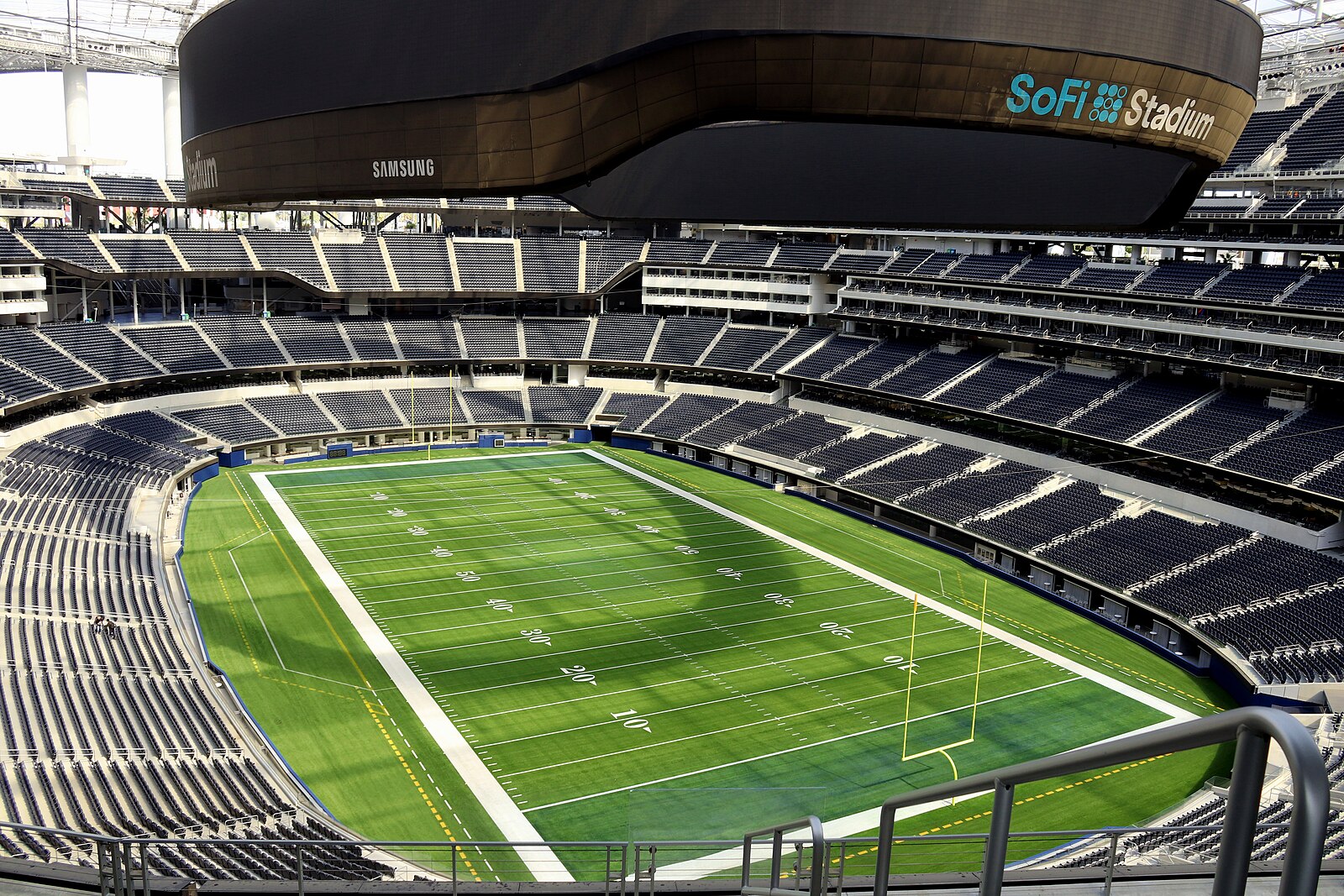
During the tournament FIFA replaced sponsor names with neutral ones. MetLife Stadium became New York New Jersey Stadium, and SoFi Stadium became Los Angeles Stadium. FIFA says these official names were matched to host cities and may differ from local usage.
Match counts below come from FIFA’s full results list. Dallas staged the most games, nine, while Guadalajara and Monterrey staged four each. Capacities are the figures FIFA published for the tournament.
United States: Eleven Host Cities and 78 Matches
The US carried most of the load, with 78 of the 104 matches. That included both semi-finals, the third-place match and the final, all at NFL stadiums. FIFA says 300,000 square metres of custom-grown sod went into stadiums and training sites.
- New York New Jersey Stadium (MetLife Stadium, East Rutherford, New Jersey): 8 matches, capacity 80,663. Hosted the final on 19 July 2026.
- Dallas Stadium (AT&T Stadium, Arlington, Texas): 9 matches, the most of any venue, capacity 70,649. Hosted the Spain v France semi-final.
- Atlanta Stadium (Mercedes-Benz Stadium, Atlanta, Georgia): 8 matches, capacity 68,239. Hosted the England v Argentina semi-final.
- Los Angeles Stadium (SoFi Stadium, Inglewood, California): 8 matches, capacity 70,492. Hosted the US opener and a quarter-final.
- Miami Stadium (Hard Rock Stadium, Miami Gardens, Florida): 7 matches, capacity 64,478. Hosted the third-place match and a quarter-final.
- Boston Stadium (Gillette Stadium, Foxborough, Massachusetts): 7 matches, capacity 64,146. Hosted the France v Morocco quarter-final.
- Houston Stadium (home of the NFL’s Houston Texans, Houston, Texas): 7 matches, capacity 68,777, with a retractable roof.
- Kansas City Stadium (Arrowhead Stadium, Kansas City, Missouri): 6 matches, capacity 69,045. Hosted the Argentina v Switzerland quarter-final.
- Philadelphia Stadium (Lincoln Financial Field, Philadelphia, Pennsylvania): 6 matches, capacity 68,324.
- San Francisco Bay Area Stadium (Levi’s Stadium, Santa Clara, California): 6 matches, capacity 68,827.
- Seattle Stadium (Lumen Field, Seattle, Washington): 6 matches, capacity 66,925. Hosted the US round-of-16 defeat by Belgium.
The International Broadcast Centre sat in Dallas, according to FIFA. That, plus the nine matches at Arlington, made North Texas the busiest hub of the tournament.
Mexico: Three Host Cities and a Third World Cup
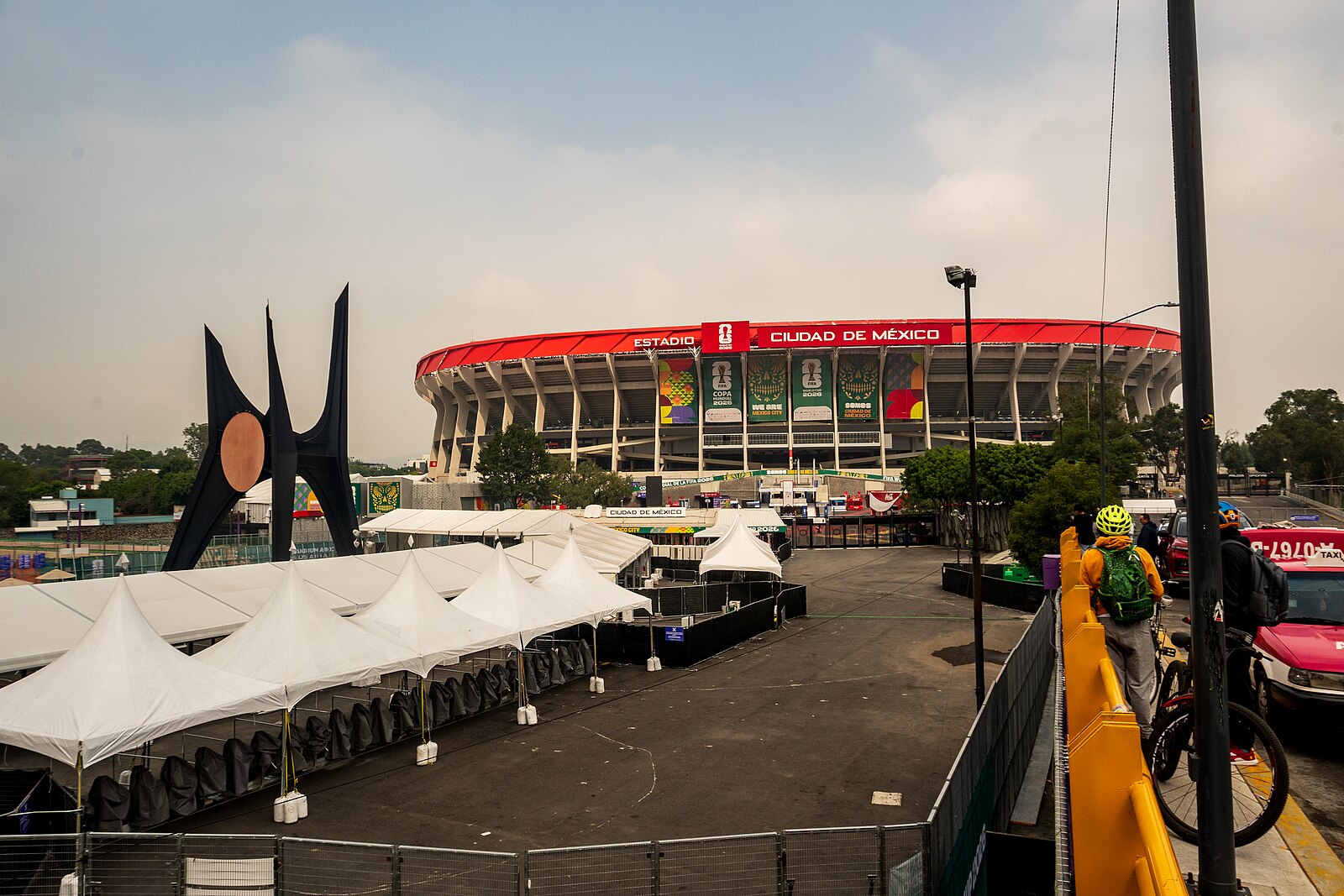
Mexico staged 13 matches in three cities. Mexico City became the first stadium to host games at three World Cups, after the 1970 and 1986 finals there, FIFA notes.
- Mexico City Stadium (the venue long known as the Estadio Azteca, Mexico City): 5 matches, capacity 80,824. Hosted the opening match and Mexico’s round-of-16 exit.
- Guadalajara Stadium (Estadio Akron, Zapopan, Jalisco): 4 matches, capacity 45,664, home of C.D. Guadalajara.
- Estadio Monterrey (Guadalupe, Nuevo León): 4 matches, capacity 51,243, home of CF Monterrey. Hosted the Netherlands v Morocco round-of-32 tie.
Mexico’s run ended at its own stadium. England won 3-2 in Mexico City on 5 July 2026, in the round of 16. Guadalajara staged only group games, including Mexico’s 1-0 win over Korea Republic and Spain’s 1-0 win over Uruguay.
Canada: Toronto and Vancouver
Canada staged 13 games split between two cities. Vancouver hosted seven and Toronto six.
- Toronto Stadium (BMO Field, Toronto, Ontario): 6 matches, capacity 43,036, the smallest venue of the tournament. Hosted Canada’s 1-1 opener against Bosnia and Herzegovina.
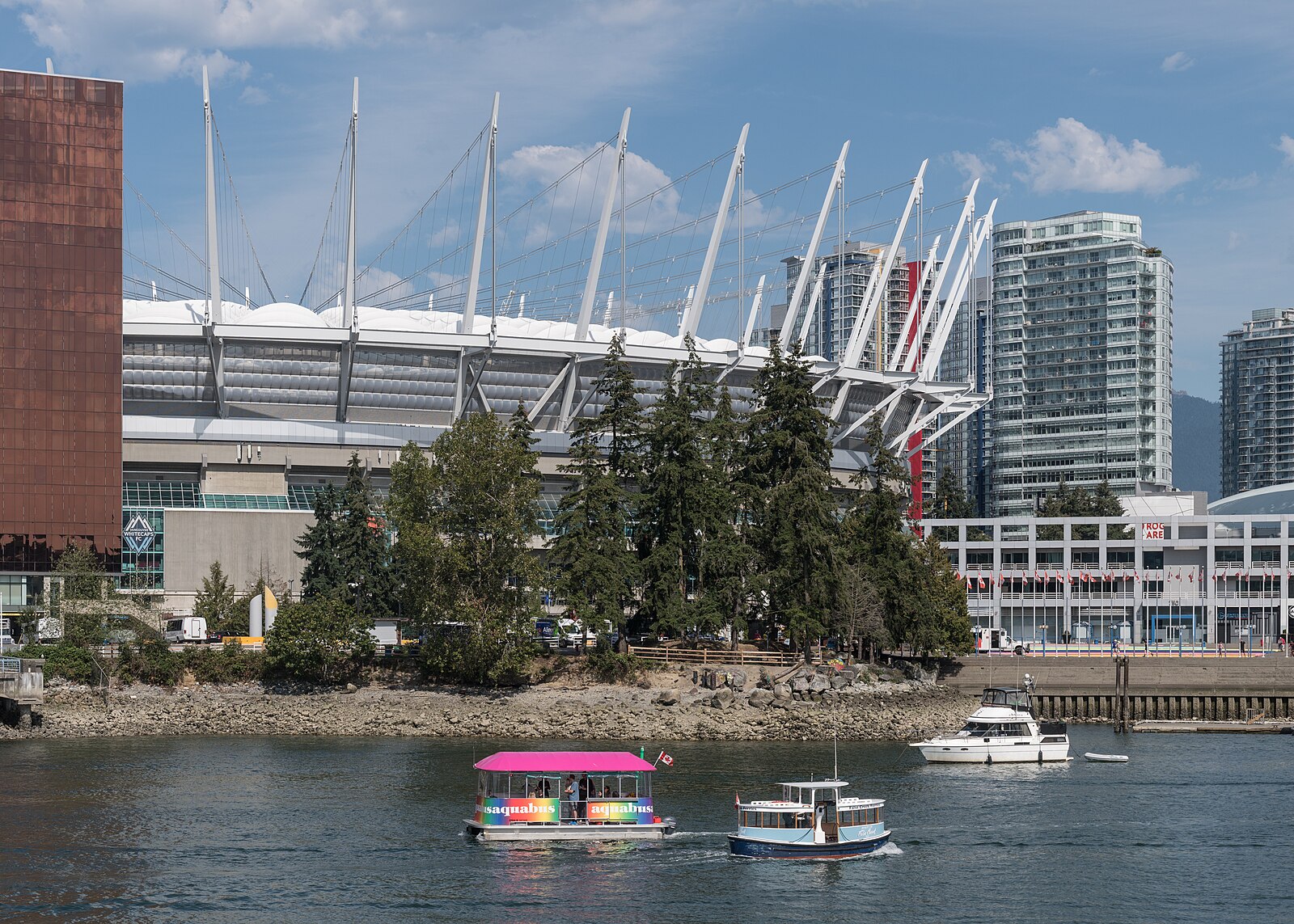
- BC Place Vancouver (Vancouver, British Columbia): 7 matches, capacity 52,497. FIFA kept the stadium’s own name. It hosted Canada’s 6-0 win over Qatar.
Canada beat South Africa 1-0 in Los Angeles in the round of 32. Morocco then beat Canada 3-0 in Houston on 4 July 2026.
Key Dates From the Opening Match to the Final
The tournament lasted 39 days. All dates below come from FIFA’s official schedule and results page.
- Thursday 11 June 2026: opening match, Mexico 2-0 South Africa, Mexico City Stadium.
- Friday 12 June 2026: Canada 1-1 Bosnia and Herzegovina in Toronto; USA 4-1 Paraguay in Los Angeles.
- Saturday 27 June 2026: last day of the group stage, with 72 group matches played in total.
- Sunday 28 June to Friday 3 July 2026: round of 32, the new knockout round created by the 48-team format.
- Saturday 4 to Tuesday 7 July 2026: round of 16. All three hosts went out at this stage.
- Thursday 9 to Saturday 11 July 2026: quarter-finals in Boston, Los Angeles, Miami and Kansas City.
- Tuesday 14 and Wednesday 15 July 2026: semi-finals in Dallas and Atlanta.
- Saturday 18 July 2026: third-place match, England 6-4 France in Miami.
- Sunday 19 July 2026: final, Spain 1-0 Argentina after extra time, New York New Jersey Stadium.
How the Tournament Ended
Spain became world champions for the second time, after 2010. Coach Luis de la Fuente’s side conceded one goal in eight matches, the lowest total for any World Cup winner, FIFA said.
The final was decided in the 106th minute. Nico Williams nodded down a Pedro Porro cross and substitute Ferran Torres scored. Argentina had Enzo Fernández sent off for a second yellow card late in normal time.
Goalkeeper Unai Simón kept seven clean sheets, a tournament record. De la Fuente, at 65, became the oldest coach to win the title. Lionel Messi, at 39, became the oldest outfield player in a final.
FIFA’s individual awards went as follows.
- Golden Ball (best player): Rodri, Spain. Silver Ball: Lionel Messi, Argentina. Bronze Ball: Kylian Mbappé, France.
- Golden Boot (top scorer): Kylian Mbappé, with ten goals in eight matches.
- Golden Glove: Unai Simón, Spain. Best Young Player: Pau Cubarsí, Spain.
- Fair Play Trophy: the Netherlands.
England finished third, their best result since winning at home in 1966. Bukayo Saka scored a hat-trick in the 6-4 win over France.
Tickets: How FIFA Sold Them
FIFA was the only primary seller. It named three official channels: FIFA.com/tickets for general sales, FIFA.com/hospitality through On Location, and Qatar Airways travel packages.
Sales ran in phases. The Random Selection Draw alone drew more than 500 million ticket requests. It sold over one million tickets by 27 February 2026, FIFA reported.
In December 2025 FIFA added a Supporter Entry Tier at a fixed US$60 per ticket for all 104 matches, the final included. Those seats went to fans of qualified teams through their national federations.
Resale was handled on FIFA’s own Resale/Exchange Marketplace. FIFA warned that tickets from unofficial sources might not be valid, and hospitality packages could not be resold there.
Travel Costs and Getting Around
The 16 host cities span a continent, from Vancouver to Mexico City. For most fans following one team, that meant flying between venues.
Group L, for example, played in Toronto, Dallas, Boston, New York New Jersey and Philadelphia. Following England through that group meant at least two long trips between cities.
FIFA ran a Know Before You Go programme for ticket holders. It sent 7.7 million emails with practical match-day guidance, FIFA said.
FIFA Fan Festivals drew more than nine million visitors across North America, according to FIFA. They gave fans without match tickets a way to follow games in the host cities.
What It Means for US Readers
For travellers, the 11 US venues remain the main stage for big soccer events in North America. MetLife, SoFi, AT&T and Mercedes-Benz Stadium have now staged World Cup knockout games.
For investors, the operating numbers are the story. FIFA counted 645 official sites, nearly 300,000 accredited personnel and more than 43,000 volunteers.
For US fans, the national team reached the round of 16. It beat Paraguay, Australia and Bosnia and Herzegovina, lost to Türkiye, then fell 4-1 to Belgium in Seattle.
The next big FIFA trip from the US heads south. Brazil hosts the 2027 Women’s World Cup, with 64 matches in eight cities and the final at the Maracanã.
Connected Coverage
Mexico’s World Cup Exit at the Azteca Ends a Home Dream
Mexico Hits Record World Cup Tourism Windfall in 2026
World Cup Windfall Falls Short in Mexico’s Three Host Cities
Why Extreme Heat Is Now the World Cup’s Most Dangerous Opponent
What Is Not Known
FIFA has not published a final figure for tickets sold per venue in this format. Its 6.8 million attendance total was described as preliminary.
The average price fans actually paid is not public. FIFA published tier structures, but not the spread of prices across phases and resale.
The economic return for each host city is not settled. Figures vary by who publishes them, and no single independent audit covers all 16 cities.
Frequently Asked Questions
What were the World Cup 2026 host cities?
Sixteen cities in three countries. In the United States they were Atlanta, Boston, Dallas, Houston, Kansas City, Los Angeles, Miami, New York New Jersey, Philadelphia, the San Francisco Bay Area and Seattle. Mexico had Mexico City, Guadalajara and Monterrey, and Canada had Toronto and Vancouver.
Who won the 2026 World Cup?
Spain. They beat Argentina 1-0 after extra time in the final on 19 July 2026 at New York New Jersey Stadium, known locally as MetLife Stadium. Ferran Torres scored in the 106th minute.
Which stadium hosted the most World Cup 2026 matches?
Dallas Stadium, the AT&T Stadium in Arlington, Texas, with nine matches including a semi-final. Guadalajara and Monterrey hosted the fewest, four each.
Where was the opening match of the 2026 World Cup?
At Mexico City Stadium on Thursday 11 June 2026. Mexico beat South Africa 2-0. It made the venue the first to host matches at three World Cups.
How much were World Cup 2026 tickets?
Prices varied by phase and category. FIFA added a Supporter Entry Tier at a fixed US$60 per ticket for all 104 matches, including the final, allocated through national federations.
How did the host nations do?
All three went out in the round of 16. England beat Mexico 3-2 in Mexico City, Belgium beat the US 4-1 in Seattle, and Morocco beat Canada 3-0 in Houston.
Sources: FIFA: match schedule, fixtures and results; FIFA: World Cup 2026 stadiums; FIFA: Spain 1-0 Argentina final report; FIFA: award winners; FIFA: final standings; FIFA: the tournament in numbers; FIFA: Supporter Entry Tier; FIFA: official ticket channels; FIFA: ticket sales phases; FIFA: Resale/Exchange Marketplace; FIFA: Women’s World Cup 2027 schedule; MetLife Stadium; SoFi Stadium; AT&T Stadium; Mercedes-Benz Stadium; Hard Rock Stadium; Gillette Stadium; Arrowhead Stadium; Lincoln Financial Field; Levi’s Stadium; Lumen Field; BMO Field; BC Place; Estadio Akron. All accessed 11 October 2026.
This article was produced by The Rio Times’ automated newsroom system. How we use AI · Report an error · Editorial responsibility: Matthias Camenzind, Editor-in-Chief