Why Extreme Heat Is Now the World Cup’s Most Dangerous Opponent
Sustainability · Sport
Key Facts
—The finding. A peer-reviewed study found 14 of the 16 host cities cross a recognised danger threshold for heat stress.
—The measure. It uses wet-bulb globe temperature, which combines heat and humidity into one safety reading.
—Highest risk. Miami and Monterrey, where no air-conditioned roof exists, plus Philadelphia, Kansas City, Boston and New York.
—The reports. The academic paper appeared in the International Journal of Biometeorology; a separate study, Pitches in Peril, reached similar conclusions.
—The warning. Some football bodies advise delaying matches once the reading passes 28 degrees Celsius.
—The dress rehearsal. Last year’s Club World Cup saw several matches paused or delayed by heat and storms.
As the 2026 World Cup begins, the tournament’s most dangerous opponent may not be any team but the extreme heat now scientists say threatens players, officials and fans across most host cities.
The World Cup has barely begun, and already the weather is competing for attention with the football. Scientists warn that the biggest threat to this tournament is not a rival team but the heat itself.
A peer-reviewed study has found that most of the cities hosting matches are dangerously hot for elite sport. For a reader following from London or Munich, the short version is that this World Cup is being played in conditions experts consider unsafe at certain hours.
The 2026 tournament is spread across sixteen cities in the United States, Mexico and Canada. The study examined all of them and reached a stark conclusion.
Fourteen of the sixteen host cities cross a recognised danger threshold for heat stress. The research was published in the International Journal of Biometeorology, a respected academic journal that studies how weather affects living things.
How the extreme heat is actually measured
The scientists did not simply look at the temperature on a thermometer. They used a reading called the wet-bulb globe temperature, which blends heat, humidity, sunlight and wind into a single measure of how dangerous conditions are for the human body.
Humidity is the part that matters most. When the air is very humid, sweat cannot evaporate, so the body loses its main way of cooling itself and overheats far faster than the plain temperature would suggest.
The key number is 28 degrees Celsius on that scale. Some football governing bodies recommend delaying or postponing a match once the reading climbs above that level, to protect players and officials.
The study found that fourteen host cities regularly pass that mark, with several exceeding it more than half the time during summer afternoons. A separate report, called Pitches in Peril, reached much the same conclusion using its own data.
Which cities carry the most danger
The researchers singled out the venues where the risk is hardest to manage. The worst cases are Miami and Monterrey, in part because neither has an air-conditioned roof to shelter the pitch.
Four more cities join them near the top of the danger list: Philadelphia, Kansas City, Boston and New York. These are the places where the academic paper argues kickoff times should be moved out of the fierce afternoon hours.
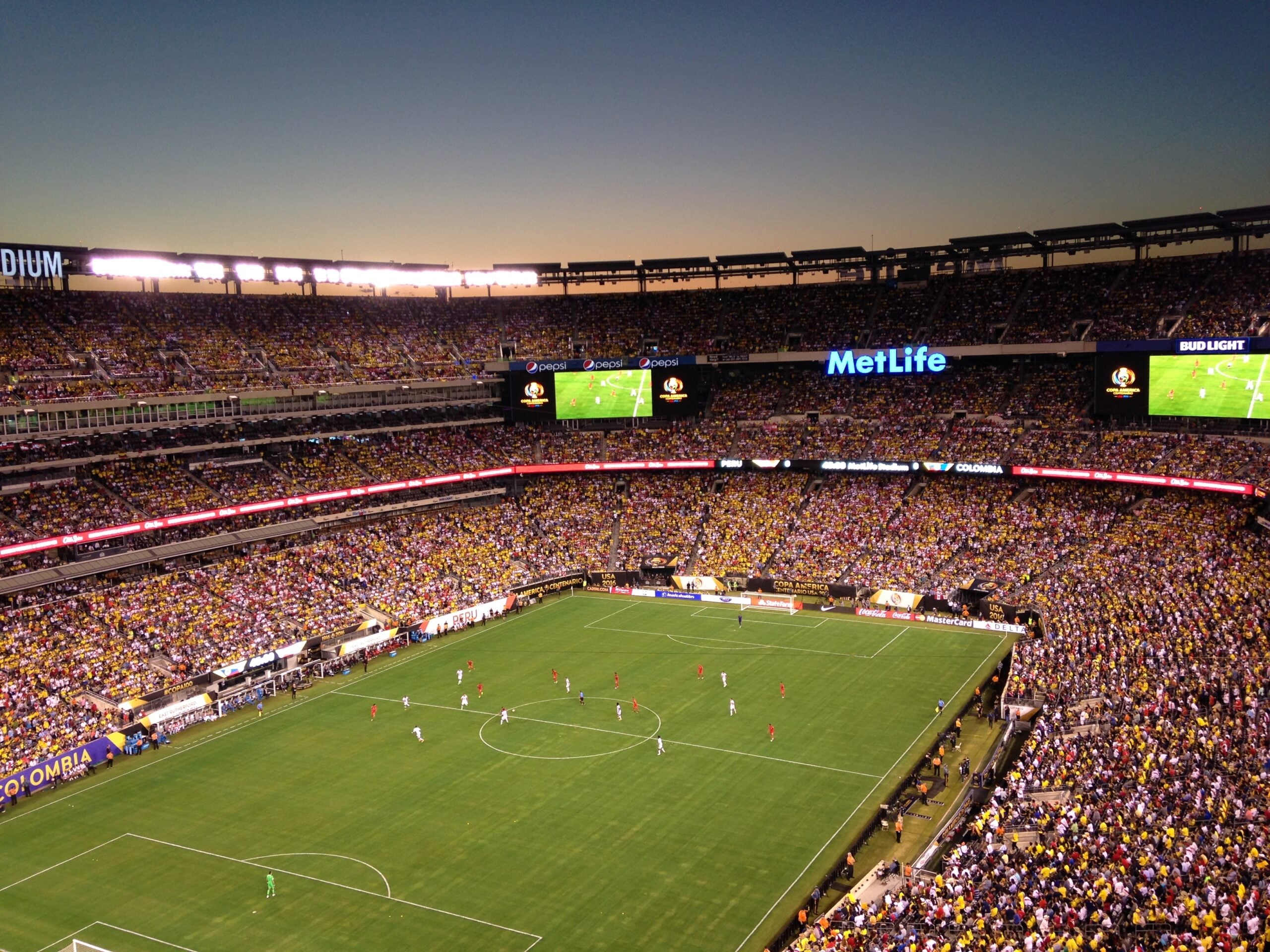
The concern is not theoretical, and there has already been a dress rehearsal. Last year’s Club World Cup, held in the United States, saw several matches paused or delayed by extreme heat and sudden thunderstorms.
Teams improvised in the heat. One European side kept its substitutes in the dressing room rather than have them bake in the sun, and players were cooled with sprinklers during breaks in play.
Why it matters beyond the pitch
The heat collides with money and television. The most valuable broadcast windows fall in the afternoon and early evening, which are exactly the hours the scientists say are most dangerous.
That tension puts organisers in a bind. Moving matches to cooler hours protects players but can shrink the global audience and the advertising revenue that comes with it.
For a foreign reader, the wider point is about a changing climate reshaping global sport. The last World Cup, in Qatar, was shifted from summer to winter for the same reason, and the question now is how often that kind of disruption becomes normal.
The study drew on two decades of hourly weather records for each host city. That long run of data is what lets the authors argue the risk is a settled pattern rather than the bad luck of a single hot summer.
There is a human cost behind the statistics. Heat stress can cause cramps, exhaustion and, in severe cases, life-threatening heatstroke, dangers that apply as much to spectators in packed stands as to the players on the pitch.
Frequently Asked Questions
What did the extreme heat study find?
It found that fourteen of the sixteen 2026 World Cup host cities regularly cross a recognised danger threshold for heat stress. The worst cases were Miami and Monterrey, followed by Philadelphia, Kansas City, Boston and New York.
What is wet-bulb globe temperature?
It is a safety measure that combines heat, humidity, sunlight and wind into one reading of how dangerous conditions are for the body. Some football bodies advise delaying matches once it passes 28 degrees Celsius.
What might organisers do about it?
The main option is moving kickoff times out of the hottest afternoon hours, alongside cooling breaks and misting fans. The difficulty is that afternoon slots are the most valuable for television and advertising.
Connected Coverage
Why severe weather could disrupt the 2026 World Cup schedule
This article was produced by The Rio Times’ automated newsroom system. How we use AI · Report an error · Editorial responsibility: Matthias Camenzind, Editor-in-Chief