Facing Quarantine Extension, Brazilian Companies Ponder Next Job Protection Steps
RIO DE JANEIRO, BRAZIL – The 1.5 percent decline in Brazilian economic activity in the first quarter of this year and the 4.9 million jobs lost between February and April partially attest to the magnitude of the crisis that Brazil is facing under the impact of the coronavirus pandemic.

For a faltering economy since the last recession (which ended three years ago), the combined effect of global downturn, health chaos, and political instability is drawing the picture of an even worse future for the coming months.
The financial market projects that the Gross Domestic Product (GDP) should contract by 5.89 percent this year, according to the Focus bulletin, which collects the estimates of more than a hundred institutions.
To address the economic stagnation and the impact of the social isolation measures implemented since the coronavirus spread began in March, several companies have tried to reinvent themselves, while the most capitalized companies have sought alternatives to preserve their employees.
Over 5,000 companies have joined the #nãodemita [no firings] movement in early April, vowing not to dismiss any employees until May 31st. However, isolation has been extending beyond the anticipated period and this projection is no longer consensual among the group.
Daniel Castanho, one of the founders of the ‘Ânima Educação’ [educational spirit] group and creator of the initiative, says that it positively affected over two million people. According to him, half of the companies signing the commitment are small-sized. However, he explains that when the movement started, projections pointed to the peak of the virus’ spread having passed by the end of this month, and most activities would have been restarted.
He and the over 40 companies that idealized the movement (medium and large-sized) are still discussing what the next step will be, faced with the extension of the crisis.
At least 16 of them said they will pursue the project of job maintenance. Some of them, in the banking, building, and food sectors, have even said that they have opened new jobs. “We have companies saying that regardless of signing the movement, they will continue to preserve jobs. Others say that there are departments and skills that they will not need anymore. The commitment to provide stability for everyone was up to now,” says the initiative’s founder.
Some companies and sectors feel the impacts of isolation measures more than others. Retail, for one, is suffering the direct consequences of social isolation. The GDP result for the first quarter has already evidenced part of the pandemic’s impact. The downturn in the economy has been primarily driven by the decline in services. Household consumption retreated for the first time since 2016. Despite the will to save jobs, some actions needed to be taken in view of the new scenario.
The Renner S/A chain of stores, for instance, employing over 23,000 people, is part of the initiative and adopted the program of temporary salary reduction and suspension of employment contracts during the pandemic, the so-called BEM (Emergency Benefit), provided by Provisional Measure 936/2020, on April 16th.
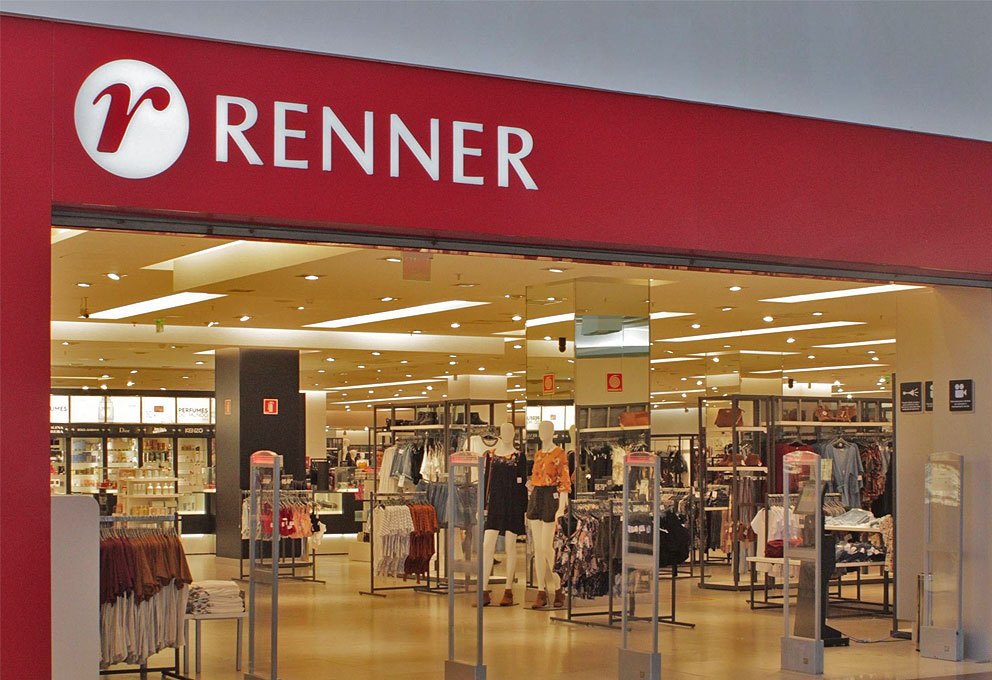
The company has temporarily implemented a proportional reduction of 25 percent in working hours and wages for most teams. The temporary suspension of employment contracts was decided for another group of employees.
The company says it will continue to implement measures to preserve jobs and explains that it began opening some of its units since late April. “The decisions to reopen are being individually analyzed, respecting local government decrees and following technical criteria on the extent of the pandemic in each municipality, to ensure the safety of people and businesses,” explains the company.
If for large companies the scenario is challenging, for small ones it is even more so, because their access to credit lines is much more limited, and they have less cash flow to cope with lower demand. A survey by the Brazilian Micro and Small Business Support Service (SEBRAE), conducted at the start of the month, showed that the isolation measures recommended by the health authorities heavily affected small businesses: 44 percent interrupted their operations, as they relied on on-site operations.
Another 32 percent continue to operate with the help of digital tools. Only 11 percent continued operating unaltered, for other reasons, such as being listed as essential services.
“We were startled in March and April. And now we look at the dismissal data. Small businesses account for half of the country’s jobs and 30 percent of its GDP turnover. This crisis is greatly affecting small companies, which have lost 60 percent of their revenues, on average,” says Carlos Melles, president of SEBRAE. According to the survey, most small business owners (89 percent) pointed to a drop in monthly revenues. As for the management of the companies’ human resources, 12 percent of respondents said they were forced to dismiss employees due to the crisis.
The survey also showed the hardship of small entrepreneurs in accessing credit to overcome this time: 86 percent of entrepreneurs who sought a loan were denied it or still have their requests under consideration. “The Brazilian financial system has an aversion to risk and to small businesses. And that is not because of the crisis, so we are working hard to unblock credit with fintechs, with collection machines. Looking for more partners, state agencies, regional funds so that credit can reach the small businesses,” says Melles.
After his controversial statement that helping small businesses to tackle Covid-19 will hurt the public coffers, Brazil’s Minister of Economy, Paulo Guedes, on Thursday completed a proposal with the economic team for a Provisional Measure (MP) that creates a new credit guarantee program of R$20 billion, which will include small businesses among those eligible.
The inclusion also comes amid widespread complaints over the difficulty of micro and small businesses in accessing credit, with financial institutions denying loan applications for fear of default in the future. In the document, the Minister of Economy states that the impact of the suspension of activities is felt more forcefully by small and medium-sized businesses. “They need access to alternative funding sources since one way to preserve these companies is to ensure that they meet their current expenses for the coming months,” he says.
In the April 22nd cabinet meeting video, released last week, the Minister of Economy said: “We will put money in, and it will work out and we will make money. We will make money by using public resources to save big companies. Now, we will lose money by saving small companies”. The segment representatives criticized the statement.
In Castanho’s assessment, the development of new e-commerces will be a positive legacy caused by the impacts of the health crisis for many companies. “Digital transformation should have already happened and now it has been forced by Covid-19”. But the movement generates a new awareness, which certainly includes what is important in a company, the people.
Source: El País
More: Brazil news in English, every day from The Rio Times.
This article was produced by The Rio Times’ automated newsroom system. How we use AI · Report an error · Editorial responsibility: Matthias Camenzind, Editor-in-Chief