Venezuela’s PDVSA Oil Revenue Rose 89% in Seven Months

Venezuela · ENERGY
Key Facts
- —What happened PDVSA billed US$15.9 billion from January to July 2026, up 89%.
- —The catch The figure is invoiced revenue, not cash collected and not money in state hands.
- —Who buys The United States holds over half of billed revenue, but no exact share.
- —India’s role India imported 319,200 barrels a day in May, up 13.9% from April.
- —What’s missing Figures come from press reports, not official PDVSA statements.
- —What comes next India’s rank among suppliers varies by source for June 2026.
The rise in billed revenue comes as India becomes a major buyer of Venezuelan crude. The United States still accounts for more than half of the total.
PDVSA oil revenue rose 89% in the first seven months of 2026, according to Venezuelan press reports. The state oil company billed US$15.9 billion between January and July, up from the same period in 2025.
The Billed Revenue Figure
PDVSA oil revenue reached US$15.9 billion in the first seven months of 2026, as reported by the Venezuelan outlet Bitácora Económica. The outlet cited the weekly Exclusivas Económicas, which tracks the company’s invoicing.
This amount is 89% above the same period in 2025, according to the same reports. The oil trade portal Petroguía also highlighted the increase on its front page.
The reports cover January through July, a seven-month window. However, the figures are press estimates, not official PDVSA statements.
The US$15.9 billion figure is 89 percent higher than the same period last year. However, this is based on press reports, not official PDVSA data.
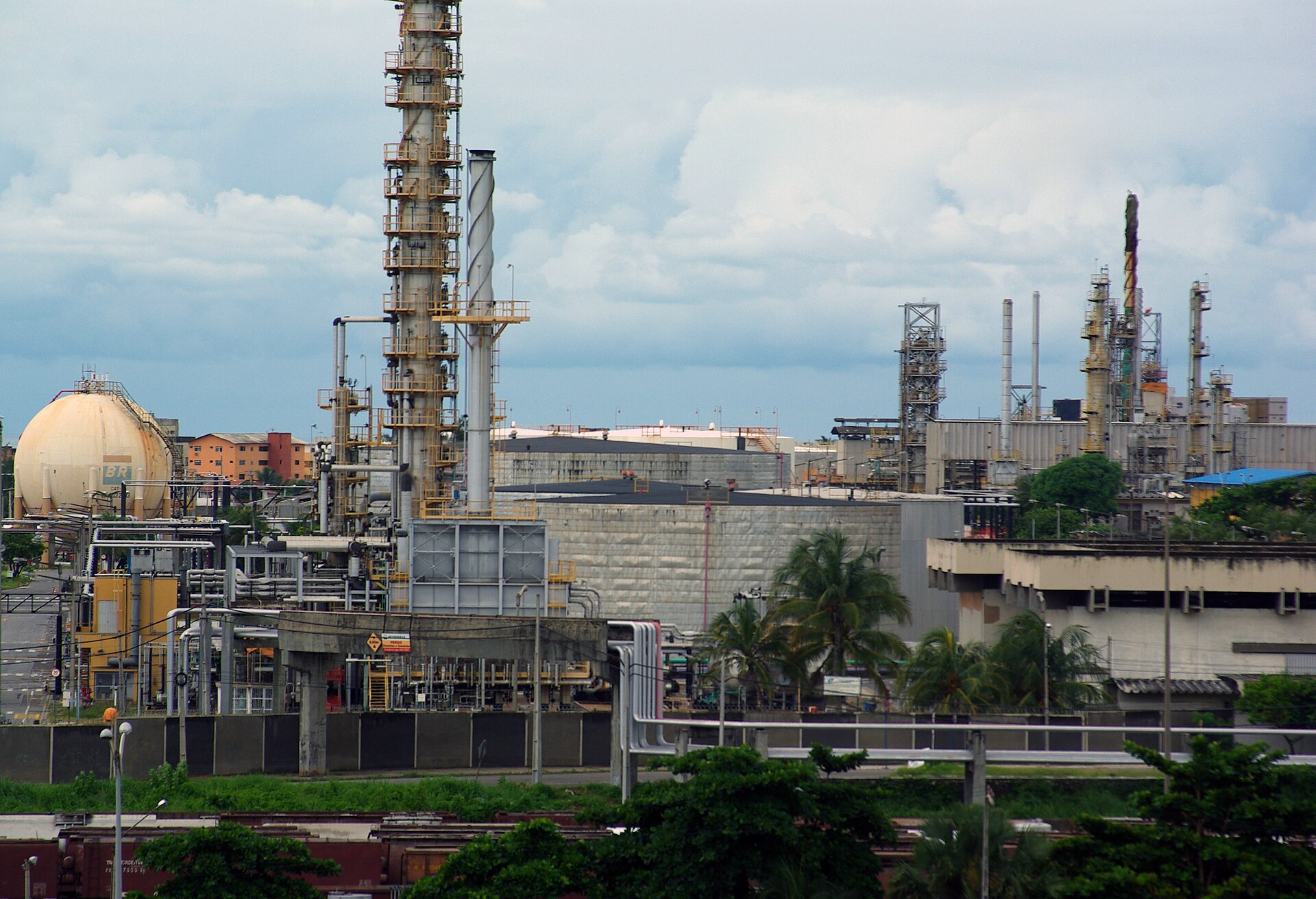
PDVSA Oil Revenue: Billed, Not Received
The term ‘ingresos facturados’ means billed or invoiced revenue, not cash collected. It reflects the value of invoices PDVSA issued, not money actually received.
The figure measures sales activity rather than money that has reached the state. It is not the same as cash in hand.
The distinction matters because billed revenue does not show cash flow. An invoice can be issued long before a payment arrives.
Billed revenue is not the same as cash collected. The gap between the two can be wide in an oil business.
The United States Holds More Than Half
According to Bitácora Económica, the United States holds more than half of the billed revenue. However, no exact percentage was published.
This means the US remains the largest single market for PDVSA’s invoiced sales. The report does not specify the precise US share.
Still, the exact share remains unknown, as only ‘more than half’ was published. Consequently, the precise US percentage is unavailable.
The United States holds more than half of PDVSA’s billed revenue. Still, no exact percentage was published, so the precise share remains unknown.
India’s Growing Role
In addition, India has become a significant buyer of Venezuelan crude. During April and May 2026, Venezuela was India’s fourth-largest oil supplier, according to shipping analytics firm Kpler.
For example, India imported 319,200 barrels a day of Venezuelan crude in May (month-to-date), up 13.9% from the previous month. This figure comes from Kpler data shared with EFE.
In addition, India’s imports in May rose 13.9% from the previous month. However, the 319,200 barrels a day is a month-to-date figure, not a full-month average.
India imported 319,200 barrels a day of Venezuelan crude in May, up 13.9 percent. However, this is a month-to-date figure, not a full-month average.
Different Measurements for May
A full-month figure for May 2026 puts India’s intake higher. NODAL and Finanzas Digital reported about 427,000 barrels a day of Venezuelan crude.
This made India the second destination for Venezuelan output, behind the United States. These two numbers measure different things: one is month-to-date, the other is a full-month average.
They should not be combined or averaged. Meanwhile, the 427,000 barrels a day is a full-month estimate from NODAL and Finanzas Digital.
As a result, the two figures should not be compared directly. The full-month May figure of 427,000 barrels a day is from NODAL and Finanzas Digital.
Meanwhile, the 319,200 figure is from Kpler, so they measure different periods.
June Rankings Differ
In June 2026, sources disagree on Venezuela‘s rank among India’s suppliers. Banca y Negocios, using Kpler data, reported Venezuela as the fourth supplier, shipping 292,000 barrels a day.
By contrast, NODAL reported that according to Indian foreign ministry secretary Rudrendra Tandon, Venezuela climbed to third place in June. Both accounts are attributed to their respective sources.
In addition, the two sources measure different periods and methods. While Banca y Negocios uses Kpler data, NODAL cites an Indian official.
Banca y Negocios says Venezuela was fourth in June, while NODAL says third. As a result, both ranks are reported, each attributed to its source.
April Purchases
In April 2026, Indian companies increased their purchases to 343,000 barrels a day, according to Infobae. This consolidated India as the leading market for Venezuelan crude at that time.
However, this does not mean India is always the largest customer. In May, the United States received 558,000 barrels a day, more than India’s 427,000.
However, April’s figure of 343,000 barrels a day comes from Infobae. This was a monthly average, not a cumulative total.
In April, Indian companies bought 343,000 barrels a day, according to Infobae. However, this does not make India the largest customer, as the United States received more in May.
Business Confidence Rising
Separately, KPMG Venezuela’s survey ‘Visión Empresarial Venezuela 2026’ found that 84% of companies confirm or evaluate investments. Additionally, 91% expect sales to grow.
The survey was based on responses from 68 executives across 12 sectors. Therefore, it is not representative of all Venezuelan business, but it signals optimism.
In addition, the survey’s optimism is notable despite its small sample. While 84% and 91% are high, they reflect only 68 executives.
The KPMG survey found 84 percent of companies confirm or evaluate investments. However, this is based on only 68 executives, so it is not representative of all businesses.
No Official Confirmation
The revenue figures come from press reports, not from PDVSA or the government. The sources are Venezuelan media outlets, not official statements.
Even so, the trend is notable. While the exact US share and India’s rank vary, the overall picture shows strong demand for Venezuelan crude.
Meanwhile, the India figures come from Kpler estimates, not customs data. As a result, they are approximations based on vessel tracking.
The revenue figures are from press reports, not official statements. Meanwhile, the India data are estimates from Kpler, based on vessel tracking.
More: Venezuela news in English, every day from The Rio Times.
Frequently Asked Questions
What does ‘ingresos facturados’ mean?
It means billed or invoiced revenue. This is the value of invoices PDVSA issued, not cash collected or money transferred to the state.
How much did PDVSA bill in the first seven months of 2026?
PDVSA billed US$15.9 billion between January and July 2026, an 89% increase over the same period in 2025. These figures come from Venezuelan press reports.
Is the United States the largest buyer of Venezuelan oil?
According to reports, the United States holds more than half of PDVSA’s billed revenue. In May 2026, the US received 558,000 barrels a day, more than India’s 427,000.
What did the KPMG survey find?
The survey found that 84% of companies confirm or evaluate investments and 91% expect sales to grow. It was based on 68 executives across 12 sectors.
Connected Coverage
Sources: Bitácora Económica; Exclusivas Económicas; Petroguía; Infobae; NODAL; Banca y Negocios; Finanzas Digital; Revista C-Level; KPMG Venezuela; Kpler.
This article was produced by The Rio Times’ automated newsroom system. How we use AI · Report an error · Editorial responsibility: Matthias Camenzind, Editor-in-Chief