Venezuela’s Opposition Reassembles After Maduro’s Capture, But Unity Is Fraying
Key Points
- Nicolás Maduro was captured on January 3, 2026 and sent to New York to face U.S. criminal charges; Delcy Rodríguez is president-in-charge.
- María Corina Machado is seeking international backing and prisoner releases, while Henrique Capriles is rebuilding influence inside the National Assembly.
- Disputed release tallies and reported deaths from the January operation will decide whether any election ahead is trusted.
Maduro’s removal looked like a turning point from abroad. Inside Venezuela, it has been a reshuffle. The U.S. operation on January 3, 2026 removed the man at the center of the system, but not the system itself.
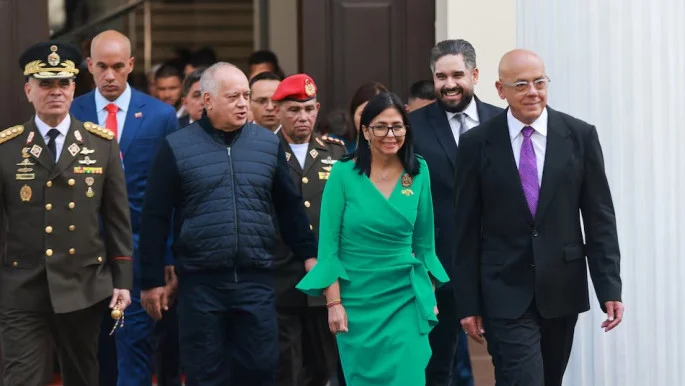
Delcy Rodríguez, Maduro’s longtime deputy, stepped in, and her brother Jorge Rodríguez retained control of the National Assembly.
María Corina Machado, the 2025 Nobel Peace Prize laureate, is trying to turn global meetings into concrete guarantees. On January 12 she met Pope Leo XIV at the Vatican.
On January 15 she is scheduled to meet President Donald Trump at the White House. With Edmundo González, the substitute candidate after she was barred in 2024, she has set a first test: free political prisoners before any transition is declared.
Henrique Capriles is betting on the inside game. Once the opposition’s toughest electoral challenger, he returned by taking a seat in the National Assembly with other dissidents, breaking with the main coalition’s abstention line.
His party, Primero Justicia, expelled him. Capriles has also appeared publicly with Delcy Rodríguez after strikes on Caracas, signaling he will engage the authorities to keep political space open.
Alfredo Ramos, former mayor of Barquisimeto, reappeared after about 17 months in hiding and urged others to leave clandestinity. The credibility fight is now numeric. Authorities announced 116 prisoner releases.
Machado and González said they could verify only 56. Soon after, official claims rose to more than 400. Venezuela’s interior minister also said 100 people died during the January operation, including military fatalities.
Why it matters abroad: the outcome will shape migration pressures, oil policy, sanctions choices, and the precedent set by Washington’s willingness to use force in the region.
Related coverage: Brazil’s Morning Call | Venezuela’s New Leaders Free Americans, But A Numbers War Cl This is part of The Rio Times’ daily coverage of Venezuela affairs and Latin American financial news.
This article was produced by The Rio Times’ automated newsroom system. How we use AI · Report an error · Editorial responsibility: Matthias Camenzind, Editor-in-Chief
In depth
Read More from The Rio Times