Mexico’s Crime “Deck” For 2026: A Test Of Control Before The World Cup
Key Points
- Mexico is using a refreshed “priority targets” list to cut violence at home and relieve U.S. fentanyl pressure.
- The list blends headline bosses with mid-level commanders linked to extortion and regional terror.
- The real challenge is avoiding the violence spikes that can follow a “big capture.”
Mexico entered 2026 trying to defuse a political storm before it becomes a security crisis.
After a tense first week in which U.S. President Donald Trump floated the idea of unilateral action in Mexico and Colombia, phone calls with Mexico’s Claudia Sheinbaum and Colombia’s Gustavo Petro helped cool the rhetoric—temporarily.
The underlying pressure remains: Washington wants visible results against trafficking, and fentanyl sits at the center of that demand.
Sheinbaum’s government insists the crackdown is real, not cosmetic. Her security team, led by Omar García Harfuch, has leaned on raids, seizures, and arrests to show momentum. Yet the harder problem is not operational—it is psychological and diplomatic.
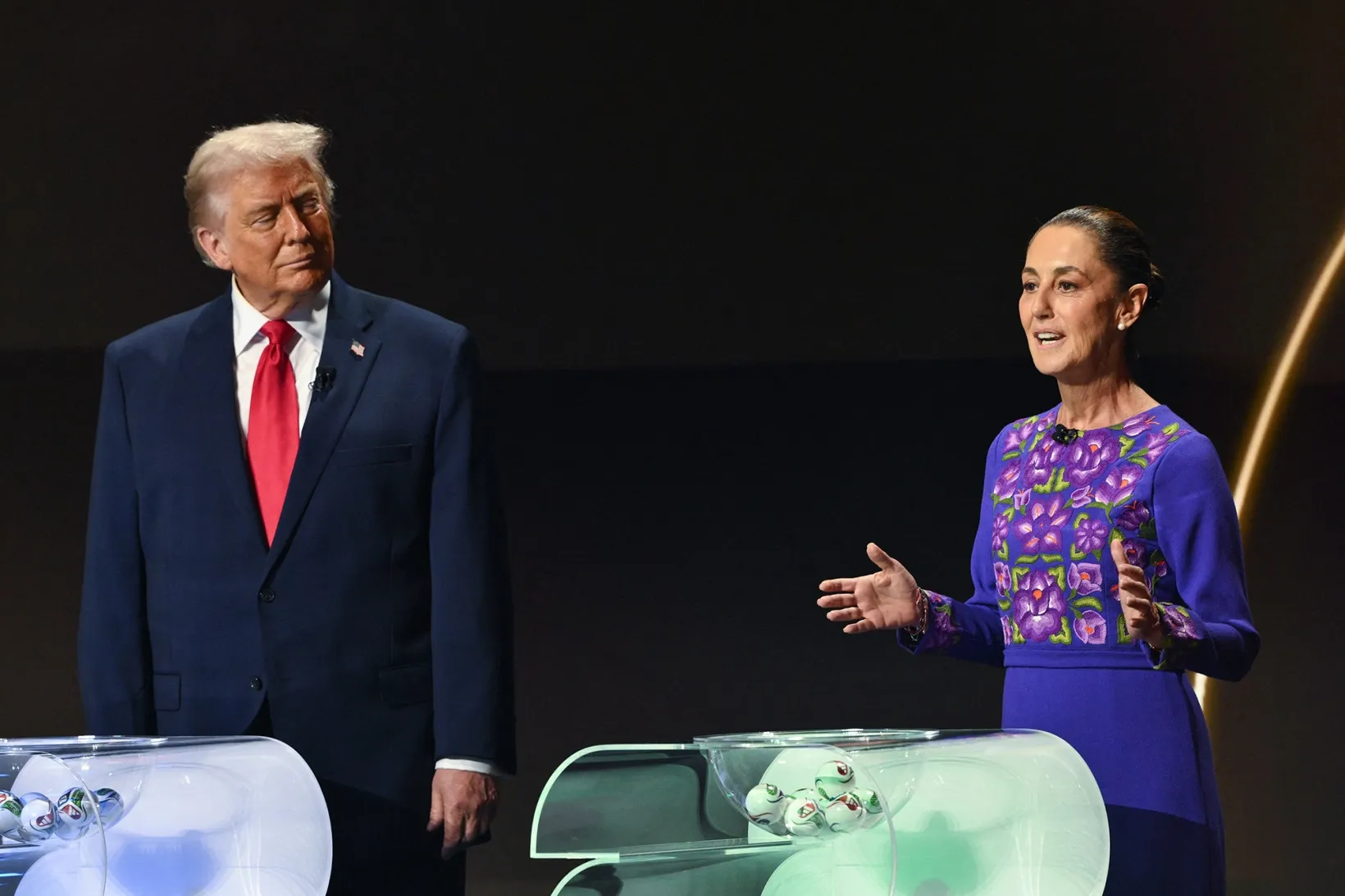
Trump repeats a simple claim that cartels “run Mexico.” Mexico’s strategy is to weaken that storyline with actions Washington cannot ignore, while refusing any solution that looks like a loss of sovereignty.
That is why Mexico’s new “deck” of targets matters. At the top are the familiar names Washington has pursued for years. This includes CJNG leader Nemesio Oseguera, also known as “El Mencho.”
Key figures in the splintered Sinaloa ecosystem are also targeted, including the remaining free leaders tied to the Chapitos, their rivals in the Zambada wing, and the Chapo Isidro faction.
The United States has put hard numbers behind its priorities: the reward for information leading to Mencho’s arrest and conviction has been set as high as $15 million.
But the more revealing part of the list sits below the celebrity tier. Authorities and security sources have identified violent mid-level operators in western Mexico.
These include César Alejandro Sepúlveda, also known as “Bótox,” who is linked to Los Viagras in Michoacán’s Tierra Caliente. Another is Heraclio Guerrero, or “Tío Lako,” described as a CJNG regional leader connected to an armed group known as Los Guerreros.
Bótox has posted videos defending himself, including denying involvement in the killing of Bernardo Bravo, a citrus growers’ leader in Apatzingán—an episode that exposed how criminal groups squeeze local industries through threats and “protection” payments.
This is the story behind the story: Mexico is policing with an eye on consequences. Officials warn that attempting to capture a figure like Mencho is uniquely risky.
This is due to his layered security rings and the high likelihood of retaliation. Even a “successful” kingpin takedown can trigger internal wars that raise violence in the short term.
With World Cup matches coming to Mexico City, Guadalajara, and Monterrey, Sheinbaum’s bet is steady disruption over spectacle: pick targets that reduce everyday harm, cooperate selectively with the U.S., and prove state control without turning security policy into a televised confrontation.
Related coverage: Brazil’s Morning Call | Mexico’s Cuba Oil Shipments Become A Diplomatic Flashpoint F This is part of The Rio Times’ daily coverage of Mexico affairs and Latin American financial news.
This article was produced by The Rio Times’ automated newsroom system. How we use AI · Report an error · Editorial responsibility: Matthias Camenzind, Editor-in-Chief
Read More from The Rio Times