A Devastating Quake Strikes Venezuela Just as It Reopens to the World
Economy
Key Facts
*Two earthquakes measuring 7.2 and 7.5 struck Venezuela seconds apart on June 24, killing at least thirty-two people, injuring seven hundred, closing Caracas airport, and delivering the country's biggest seismic shock since 1900.*
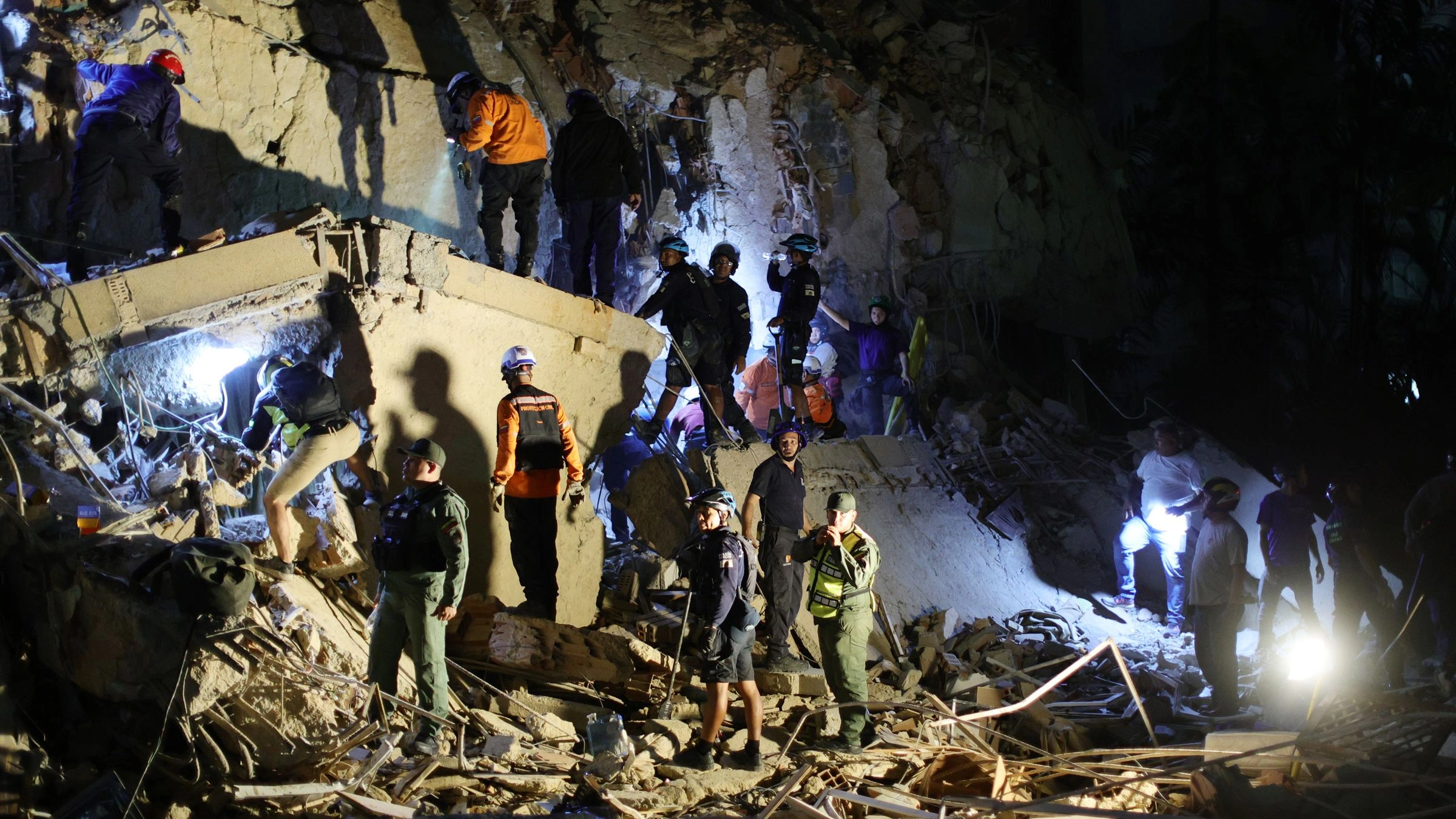
Venezuela has been struck by disaster at a fragile moment. Two powerful earthquakes hit the north of the country on June 24, collapsing buildings in and around the capital, Caracas.
The two shocks came almost on top of each other. A magnitude 7.2 quake was followed less than a minute later by a stronger 7.5 tremor, with epicentres on the Caribbean coast about a hundred miles west of the city.
The human cost is still being counted. National Assembly President Jorge Rodríguez said at least thirty-two people had died and more than seven hundred were injured, while warning the figures were preliminary.
What the Venezuela earthquake destroyed
The scale of the event was historic. According to the US Geological Survey, the 7.5 shock was the largest to strike Venezuela since 1900, when a similar quake hit the same stretch of coast.
The early toll may understate the harm. The same survey, using its damage models, cautioned that deaths could eventually run into the thousands and economic losses into the billions of dollars.
Those are projections, not counts. They reflect the strength of the quakes and the density of the area, but the true picture will only emerge as rescuers reach the worst-hit zones.
One blow stands out for the economy. Caracas’s main gateway, Simón Bolívar International Airport, suffered serious damage and was shut, cutting the capital off from the air links a recovery depends on.
Scientists described an unusual pairing of shocks. The survey called the two quakes a doublet, meaning the second and larger one was triggered just seconds after the first along the same fault.
The disaster also reopened older wounds. Parts of the capital lost power and phone signal, deepening the anguish of families separated from the more than seven million people who have left Venezuela in recent years.
A disaster at the worst possible moment
The timing could hardly be crueller. Venezuela has spent the past months trying to climb out of a long economic collapse, and the quake threatens to set that effort back.
The country is in a delicate transition. Rodríguez has led it since Nicolás Maduro left office early this year, and she has been courting foreign money for oil and mining, though our reporting has shown that deep political and institutional fractures persist.
That outreach now meets a humanitarian emergency. Rebuilding homes, roads and the airport will demand resources a cash-strapped state can scarcely spare, even as it tries to look open for business.
Why the Venezuela earthquake reaches beyond its borders
The response has been notably international. The United States said it would help coordinate relief through humanitarian channels, and Brazil, Colombia, Chile and others offered help, a rare show of unity toward a long-isolated nation.
That cooperation carries a subtext. Venezuela holds some of the world’s largest oil reserves, so its stability matters to energy markets and to the neighbours who share its borders.
The shaking was felt widely, too. Tremors reached Colombia and even Brazil’s Amazon, while brief tsunami advisories were issued, then lifted, for Puerto Rico and nearby islands.
What it means for investors
For investors weighing Venezuela, the quake adds a fresh layer of risk. A country already burdened by debt and decay now faces a reconstruction bill it cannot easily fund alone.
It also tests the new government’s reach. How competently Rodríguez handles the rescue and rebuild will shape how outsiders judge her promise to run the country differently.
There may be a longer-term twist as well. Disasters sometimes draw in aid and investment that would otherwise stay away, and a well-managed recovery could, in time, build a little trust.
For now, though, the priority is human. The first measure of this tragedy is the lives lost and saved, and only later will its full economic weight become clear.
Venezuela earthquake questions, answered
How strong was the Venezuela earthquake?
Two quakes struck seconds apart on June 24, with magnitudes of 7.2 and 7.5, according to the US Geological Survey. The larger of the two was the most powerful to hit Venezuela since 1900.
How many people were affected?
Officials confirmed at least thirty-two deaths and more than seven hundred injuries, calling the numbers preliminary. US scientists cautioned the final toll could be far higher as rescuers reach the hardest-hit areas.
Why does it matter economically?
The disaster strikes as Venezuela tries to rebuild its economy and attract foreign investment in oil and mining. A costly reconstruction now competes with that effort, straining an already fragile state.
Frequently Asked Questions
How strong were the earthquakes that struck Venezuela on June 24?
Two earthquakes measuring magnitude 7.2 and 7.5 struck Venezuela seconds apart on June 24, with epicentres on the Caribbean coast about a hundred miles west of Caracas. The 7.5 shock was the largest to hit Venezuela since 1900, when a similar quake struck the same stretch of coast.
What was the confirmed human toll from the Venezuela earthquakes?
Interim president Delcy Rodríguez confirmed at least thirty-two people had died and more than seven hundred were injured, while warning the figures were preliminary. US scientists have warned the final toll could climb far higher.
What infrastructure damage did the earthquakes cause?
The earthquakes collapsed buildings in and around the capital, Caracas, and badly damaged the city's main airport, forcing it to close. The disaster struck at a fragile moment as Venezuela was attempting to reopen its economy to the world.
Connected Coverage
This article was produced by The Rio Times’ automated newsroom system. How we use AI · Report an error · Editorial responsibility: Matthias Camenzind, Editor-in-Chief
In depth