U.S. Industrial Production Falls 0.3% in September
The Federal Reserve reported a 0.3% decline in US industrial production for September 2024, reversing August’s 0.3% gain. This drop exceeded analysts’ expectations of a 0.2% decrease. Two major factors contributed to this decline.
A strike by Boeing aircraft machinists impacted production by an estimated 0.3%. Additionally, Hurricanes Helene and Milton caused disruptions, accounting for another 0.3% drop in output.
Sector-wise, manufacturing fell 0.4% in September, following August’s 0.5% increase. Mining decreased by 0.6%, contrasting with its 0.7% growth in August. Utilities, however, showed a 0.7% rise, recovering from August’s 1.3% decline.
The capacity utilization rate dropped from 77.8% in August to 77.5% in September, now 2.2 percentage points below the long-term average (1972-2023). This suggests potential room for economic growth without inflationary pressure.
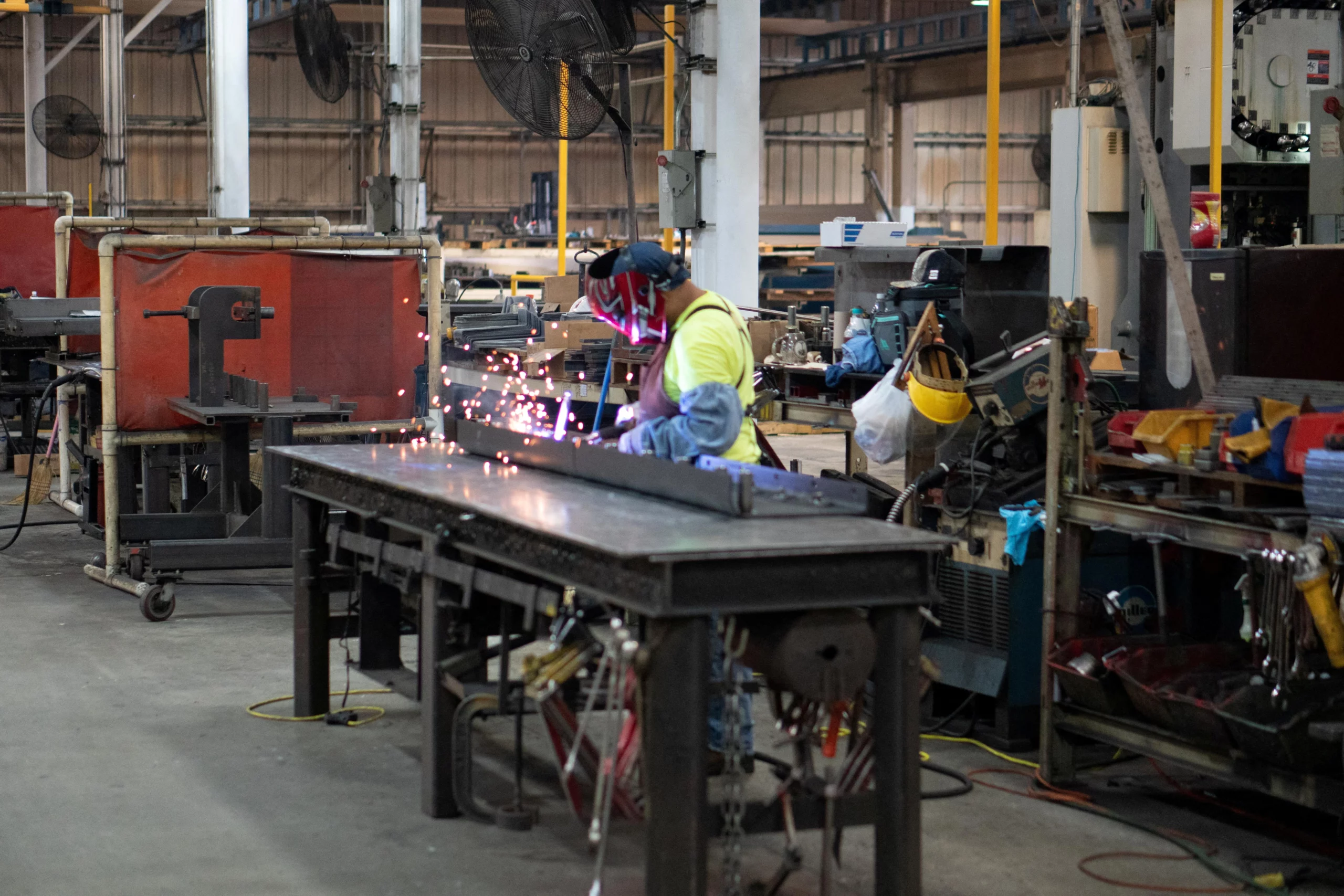
Year-over-year, September 2024’s industrial production was 0.6% lower than in September 2023, highlighting ongoing challenges in the manufacturing sector.
Several factors contribute to the current economic landscape. High interest rates continue to pressure the industrial sector, while the upcoming US presidential election adds uncertainty to business planning and investment decisions.
The Institute for Supply Management reported that September marked the sixth consecutive month of contraction in factory activity.
Over the past two months, the manufacturing sector lost 34,000 jobs, with factory worker numbers reaching a two-year low.
Despite these challenges, consumer demand within the US remains strong, supporting increased production of consumer goods for the second consecutive month. This trend offers hope amidst the broader industrial slowdown.
The current situation reflects the complex interplay of economic forces, including natural disasters, labor disputes, monetary policy, and global economic conditions.
As the US navigates these challenges, the resilience of consumer demand may prove crucial in supporting economic stability and potential recovery.
This article was produced by The Rio Times’ automated newsroom system. How we use AI · Report an error
LatAm Markets: Live Signals → — real-time movers, turnover leaders and FX across Latin America.
Read More from The Rio Times