Global Economy Briefing — September 17, 2026
The Fed raised rates to 3.75-4%, Brazil cut the Selic to 13.75% and the Bank of Japan meets on 17-18 September. What it means for Latin America.
Rio Times Global Economy Briefing
The Big Three
- Fed’s first hike since 2023 rattles markets The Fed raised its benchmark rate to 3.75%-4.00%, its first increase since 2023, signalling more tightening may be needed to curb sticky inflation. The dollar jumped, Treasury yields rose, and Wall Street slipped as a rising policy rate tightened global financial conditions for Brazil and Latin America.
- Dollar surges as US yields climb back toward 5% The US dollar index rose 0.72% to 100.331 while the 10-year Treasury yield reached 5.023%, threatening 2007-era levels. Spot gold held near $4,310 an ounce, up about 0.38%, even as the dollar firmed; the gold-tracking fund ended lower at $4,272.
- Brazil cuts the Selic to 13.75% Brazil cut the Selic to 13.75% on Wednesday, its fifth straight reduction. The inflation-adjusted policy rate remains among the world’s highest, which supports the real and local bonds even as global risk appetite cools. The Ibovespa has gained roughly 21.85% over 12 months, underscoring Brazil’s carry-trade appeal for foreign investors.
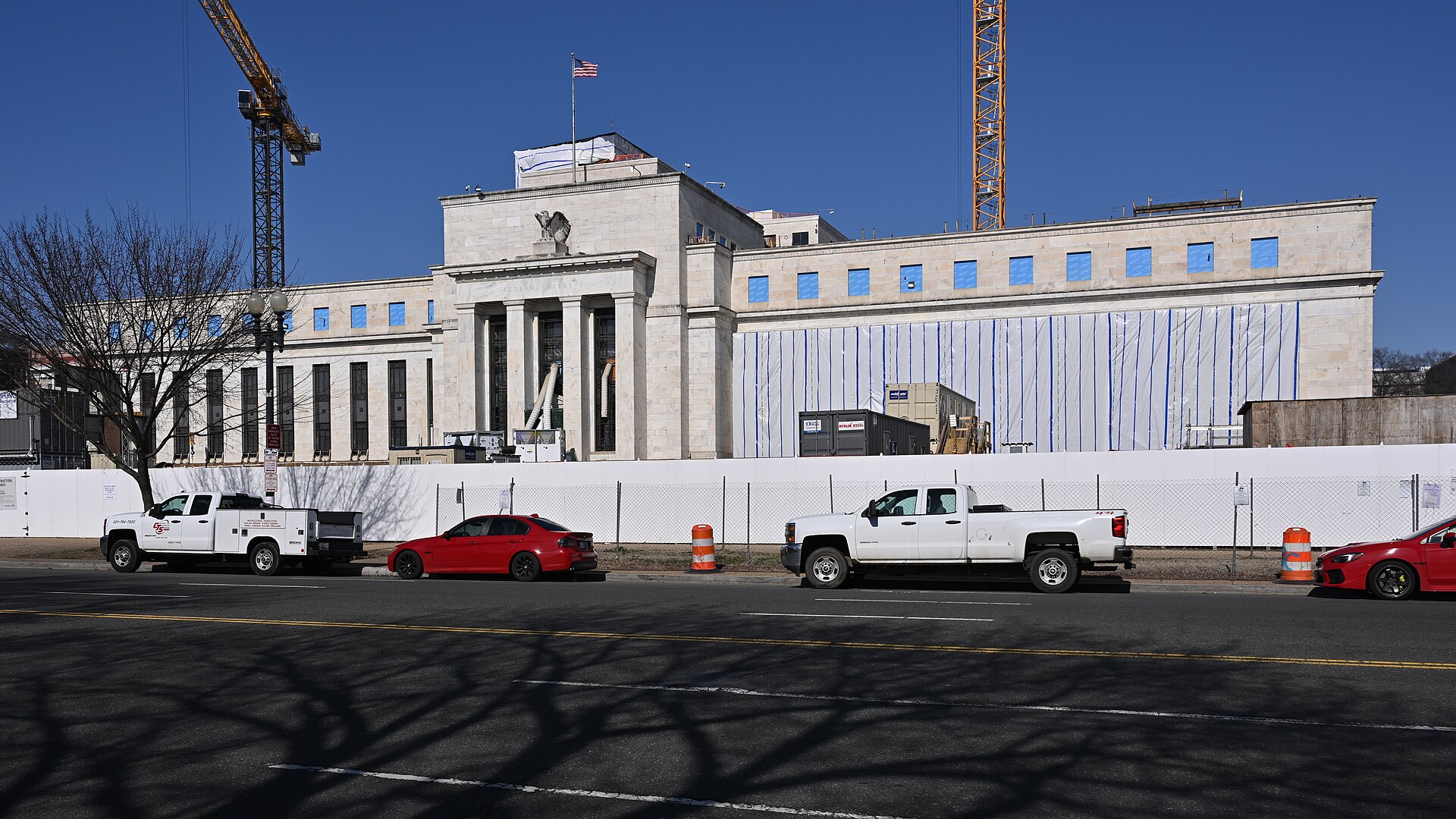
United States
| Indicator | Actual | Prior | Verdict |
|---|---|---|---|
| Fed funds rate (upper bound) | 4.00% | 3.75% | First hike since 2023, hawkish tilt |
| S&P 500 | 7,552 | 7,586 | Slips on Fed day |
| US 10-year yield | 5.023% | 5.006% | Climbs toward 2007 highs |
| Dollar index | 100.331 | 99.612 | Stronger as yields rise |
Europe & United Kingdom
| Indicator | Actual | Prior | Verdict |
|---|---|---|---|
| German PPI (m/m) | 0.4% | 1.1% | Producer inflation cools |
| German PPI (y/y) | 4.1% | 3.0% | Annual rise accelerates |
Asia-Pacific & Emerging Markets
| Indicator | Actual | Prior | Verdict |
|---|---|---|---|
| BoJ interest rate decision | expected 1.25% | 1.00% | Meets 17-18 September; a rise is widely expected |
| Japan CPI ex-food/energy (y/y) | 1.9% | 1.9% | Inflation steady |
| Brazil Selic rate | 13.75% | 14.00% | Fifth straight cut; carry still supports the real |
| Argentina GDP growth (q/q) | due today | 0.7% | Second-quarter figures published at 4 p.m. Buenos Aires time |
| Argentina unemployment | due today | 7.8% | Second-quarter figures published at 4 p.m. Buenos Aires time |
| Instrument | Level | Session |
|---|---|---|
| S&P 500 (US) | 7,552 | -0.45% |
| Ibovespa (Brazil) | 185,547 | -0.51% |
| USD/BRL | 5.151 | -0.06% |
Global economy — Wednesday, 16 September 2026 close.
Today’s Economic Calendar — Thursday, September 17, 2026
| Time | Country | Event | Consensus | Prior |
|---|---|---|---|---|
| 03:35 | JP | 3-Month Bill Auction | — | 1.115 |
| 09:00 | CN | FDI | -5.8 | -6.2 |
| 12:30 | US | Initial Jobless Claims | 208 | 206 |
| 12:30 | US | Housing Starts | 1.31 | 1.239 |
| 12:30 | US | Philly Fed CAPEX Index | — | 48.2 |
| 12:30 | US | Philly Fed New Orders | — | 30.1 |
| 12:30 | US | Jobless Claims 4-Week Average | 206 | 206 |
| 12:30 | US | Housing Starts | 9 | -12.4 |
| 12:30 | US | Philadelphia Fed Manufacturing Index | 30.5 | 47.4 |
| 12:30 | US | Philly Fed Prices Paid | — | 40.9 |
| 12:30 | US | Building Permits | -1.6 | 4.3 |
| 12:30 | US | Building Permits | 1.41 | 1.433 |
| 12:30 | US | Philly Fed Business Conditions | — | 73.6 |
| 12:30 | US | Philly Fed Employment | — | 27.9 |
| 12:30 | US | Continuing Jobless Claims | 1780 | 1774 |
| 14:00 | US | Pending Home Sales | -0.7 | -2.2 |
| 14:00 | US | Pending Home Sales | 2 | -2.3 |
| 14:30 | US | EIA Natural Gas Stocks Change | 49 | 40 |
Live Market IntelligenceGlobal Markets — Live Board
Rio Times · Live Market Intelligence
Global Markets — Live Board
| Instrument | Last | Change | YoY | Prev. | High | Low | Volume |
|---|---|---|---|---|---|---|---|
| SPX | 7,751 | +0.29% | — | — | — | — | — |
| NDX | 29,799 | +0.93% | — | — | — | — | — |
| DJI | 53,810 | +0.03% | — | — | — | — | — |
| RUT | 3,041 | +0.46% | — | — | — | — | — |
| US10Y | 4.6760 | -0.17% | — | — | — | — | — |
| VIX | 14.60 | -4.45% | — | — | — | — | — |
| DAX | 26,331 | -0.23% | — | — | — | — | — |
| FTSE | 10,833 | -0.10% | — | — | — | — | — |
| CAC | 8,675 | -0.46% | — | — | — | — | — |
| STOXX | 659.48 | -0.16% | — | — | — | — | — |
| NIKKEI | 67,524 | +0.83% | — | — | — | — | — |
| HSI | 25,440 | -0.83% | — | — | — | — | — |
| KOSPI | 6,579 | +3.68% | — | — | — | — | — |
| CSI300 | 4,691 | +0.58% | — | — | — | — | — |
| NIFTY | 24,436 | -0.15% | — | — | — | — | — |
| TSX | 36,619 | +0.39% | — | — | — | — | — |
| GOLD | 4,461 | +1.78% | +33.20% | 4,383 | 4,503 | 4,421 | 139,824 |
| SILVER | 65.59 | +1.26% | +73.05% | 64.77 | 66.98 | 64.81 | 46,406 |
01 The Fed returns to tightening, and the world reprices
The Federal Reserve’s decision to raise interest rates for the first time since 2023 marked a decisive break from the easing cycle that markets had grown accustomed to. The S&P 500 fell 0.45% to 7,552, the Dow dropped 1.21% to 51,462, and the Nasdaq Composite finished nearly flat at 25,978 as investors weighed the prospect of sustained higher borrowing costs. The VIX climbed 2.97% to 17.71, a sign that equity investors are bracing for a bumpier ride.
The US dollar index jumped 0.72% to 100.331, pushing the 10-year Treasury yield up 0.34% to 5.023% — a level not seen since before the 2008 financial crisis. Gold fell 0.27% to $4,272 an ounce, losing its shine as the dollar and yields advanced.
For emerging markets, the stronger dollar and higher US yields are a classic tightening shock. Foreign capital becomes more expensive, and dollar-denominated debt burdens grow. Brazil, however, offers a rare cushion: its Selic rate, cut to 13.75% on Wednesday, and an inflation-adjusted policy rate near 9.6% remain among the highest in the world, drawing carry-trade inflows that have kept the real relatively stable around 5.16 per dollar and lifted the Ibovespa by roughly 21.85% over the past year.
02 Warsh’s hawkish message: one more hike likely
Fed Chair Kevin Warsh delivered a blunt message: inflation is not yet beaten. The central bank lifted the funds rate by a quarter of a percentage point to 3.75%-4.00% and signalled that one more increase this year is likely. Traders now lean toward another move by December, with some brokerage desks pricing two additional hikes that would take the range to 4.00%-4.25%.
The September hike had been heavily telegraphed, with futures markets assigning a 90% or higher probability in the days before the decision. What changed was the tone: officials stressed they are willing to keep rates higher for longer, even at the risk of slowing growth, to ensure inflation returns durably to the 2% target.
For Latin American central banks, the Fed’s move raises the bar for local easing. Mexico’s Banxico and Brazil’s Copom must now weigh the risk of currency depreciation against the need to support domestic growth. Brazil’s high Selic offers some insulation, but a sustained dollar rally could test the real and force a rethink of the current policy stance.
03 A stronger dollar, and what it means for commodities and Brazil
Oil prices eased in early Asia trading, with WTI near $101.50 a barrel and Brent around $105.13, as Saudi pipeline flows normalised and traders weighed tighter US financial conditions against war-related supply risks. The stronger dollar added to the pressure, making crude more expensive for holders of other currencies.
For Brazil, softer oil prices are a mixed blessing: they reduce imported energy costs and help contain inflation, but they also weigh on Petrobras shares and government revenue from the pre-salt fields. The real’s resilience around 5.16 per dollar suggests investors are still drawn to Brazil’s high carry and improving trade balance, even as global risk appetite cools.
The week ahead will test whether Latin American assets can hold their ground. Argentina’s GDP data showed growth slowing to 0.2% quarter on quarter, and with the Fed now firmly in tightening mode, the region’s dollar borrowers face higher refinancing costs. Brazil’s fundamentals remain strong, but the wider emerging-market complex is likely to face renewed volatility.
What to watch today and this week
- Thursday: US industrial production, Fed’s Bowman speech, German PPI, BoJ press conference
- Friday: CFTC speculative positions for BRL, MXN, gold, and S&P 500; Baker Hughes oil rig count
- Next week: Argentina trade balance and budget data; Mexico private spending; Chile National Day holiday
- Ongoing: Fed policy path after the hike; dollar strength and its impact on Latin American currencies
Frequently Asked Questions
Why did the Fed raise rates?
The Fed raised rates for the first time since 2023 because inflation remains stubbornly above the 2% target, and officials want to cool price pressures even if it slows growth.
What does the Fed hike mean for Brazil?
Brazil’s Selic rate, cut to 13.75% on Wednesday, and an inflation-adjusted policy rate near 9.6% still make it an attractive carry-trade destination, helping the real and local bonds even as the dollar strengthens.
How did US markets react?
The S&P 500 fell 0.45% to 7,552, the Dow dropped 1.21% to 51,462, and the Nasdaq Composite finished flat at 25,978. The VIX rose to 17.71.
Why is the US dollar rising?
The dollar index rose 0.72% to 100.331 because higher US yields make dollar-denominated assets more attractive relative to other currencies.
What is the outlook for the 10-year Treasury yield?
The 10-year yield reached 5.023% after the Fed decision, a level last seen before 2008, and could climb further if markets price in more hikes.
This article was produced by The Rio Times’ automated newsroom system. How we use AI · Report an error