Ghana Oil Producer Tullow Has First Cash-Positive First Half Since 2021
Ghana · ENERGY
Key Facts
- —The country Ghana is a West African nation of 35.1 million people with an economy of about US$114 billion (World Bank, 2025), roughly 3% of Britain’s. Offshore oil is a key export.
- —Why it matters London-listed Tullow operates Jubilee, Ghana’s largest oil field, and the smaller TEN fields. Its cash flow, taxes and drilling plans feed directly into Ghana’s oil revenue.
- —Why now Half-year results on Monday, 28 September, showed Tullow’s first positive first-half free cash flow since 2021. On Wednesday, 30 September, it lost a US$196.5 million tax arbitration against Ghana.
- —What happened Free cash flow, the cash left after investment and interest, was US$4 million in January–June 2026, against an outflow of US$188 million a year earlier.
- —The numbers Output rose to 43,700 barrels of oil equivalent a day from 40,600. The realised oil price was US$95 a barrel before hedging, up from US$71.4.
- —What it means for you For investors, Tullow expects 2026 free cash flow of US$170–250 million at oil prices of US$70–100. It still booked a US$101 million half-year loss after tax.
- —Still open Tullow is weighing its response to the tax ruling after talks with Ghana. A second Ghana tax case, over US$190.5 million, is due for a hearing in 2027.
Tullow Oil, the London-listed firm running Ghana’s biggest offshore oil fields, generated positive free cash flow in the first half of 2026. It was its first cash-positive first half since 2021.
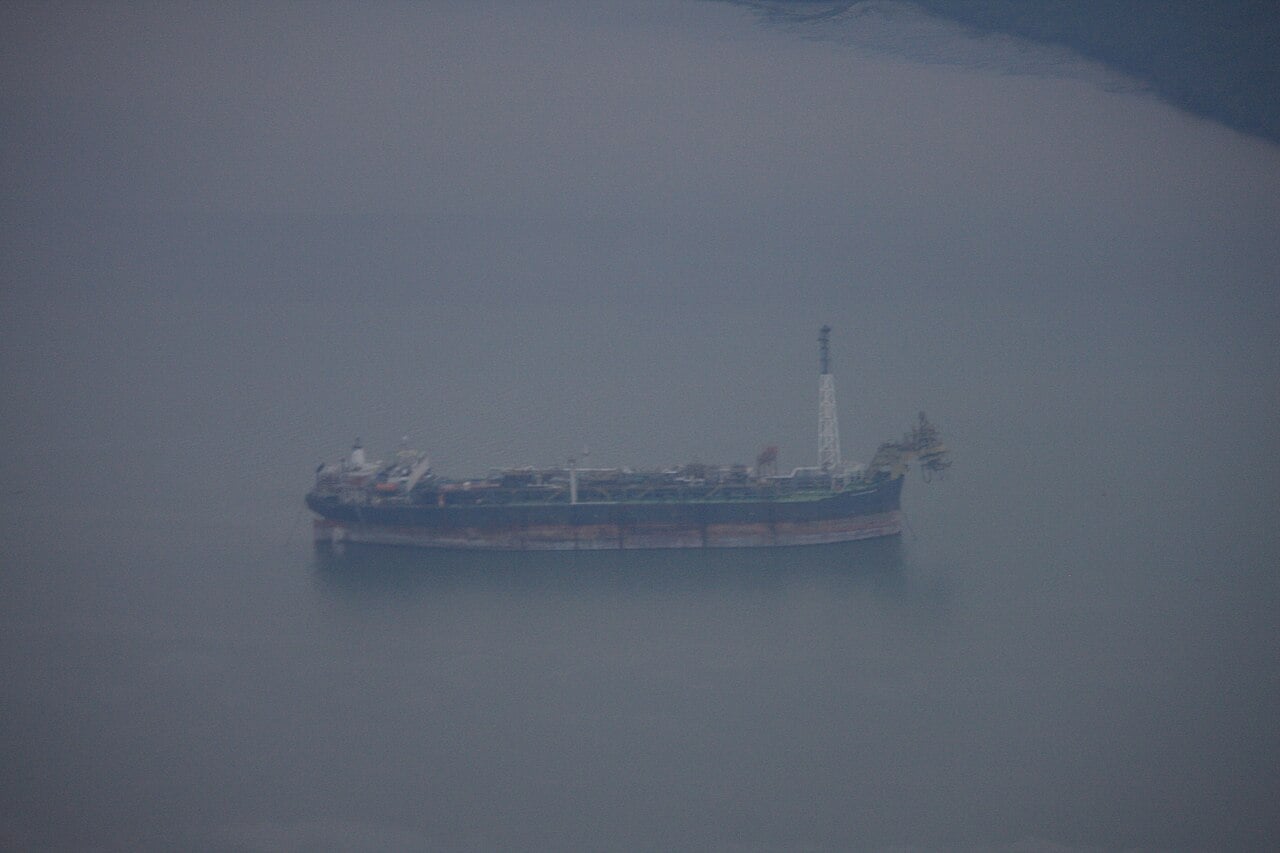
Ghana, a West African country of about 35 million people, depends on offshore oil for export earnings and state revenue. Tullow operates Jubilee, the largest field, and almost all of the group’s output now comes from Ghanaian waters.
Free cash flow was US$4 million in January–June 2026, compared with an outflow of US$188 million a year earlier. The figure is for the whole group, which also held a small stake in the Espoir field in Côte d’Ivoire until July.
What drove the turnaround
Group working-interest production averaged 43,700 barrels of oil equivalent per day, up from 40,600 a year earlier. The company published its half-year results on Monday, 28 September 2026.
The Jubilee field, Ghana’s flagship offshore asset, produced 70,800 barrels of oil per day gross. The TEN fields added 14,800 barrels per day gross over the same period.
Tullow credited uptime above 99% at its floating production, storage and offloading vessels, known as FPSOs. New wells from its 2025–26 drilling campaign also beat expectations.
The money behind the numbers
Revenue reached US$496 million and gross profit US$276 million. Underlying operating cash flow rose to US$222 million from US$34 million a year earlier.
Higher prices did much of the work. Tullow Oil realised US$95 a barrel before hedging, against US$71.4 in the first half of 2025.
The bottom line was still red. Tullow posted a loss after tax of US$101 million, which it blamed on one-off refinancing fees.
Proven plus probable reserves rose to 121.7 million barrels of oil equivalent from 100.2 million at the end of 2025. Tullow put its reserves replacement at more than 380%.
Guidance raised and confirmed
Tullow raised its full-year free cash flow guidance to US$170–250 million on 5 August and confirmed it on 28 September. The range assumes oil prices of US$70 to US$100 a barrel.
It expects 2026 production at the top of its 34,000 to 42,000 barrels per day range. Recovery of old gas payments owed by Ghana’s government also supported the upgrade.
Tullow said the remaining historic gas receivable from the Government of Ghana had been recovered by 28 September. That removes a long-running drag on its cash position.
Tullow loses tax arbitration against Ghana
On Wednesday, 30 September, Tullow Oil said an International Chamber of Commerce (ICC) tribunal had ruled against it. The case concerned a US$196.5 million corporate income tax assessment from Ghana’s revenue authority.
The tax relates to business interruption insurance payouts Tullow received between 2016 and 2019. The tribunal found the assessment does not breach Tullow’s petroleum agreements with Ghana.
It also ruled that penalties of 100% fall outside the contractual protections in those agreements. Tullow said it was disappointed and will consider next steps after further talks with the government.
The company had already raised its provision for Ghana tax disputes by US$30 million in the half-year accounts. A separate US$190.5 million assessment over loan interest deductions goes to a tribunal hearing in 2027.
What to watch next
Investors will look for Tullow’s response to the tax award and any settlement with Ghana. The company said it would give an update in due course.
A rig has been contracted for up to 10 wells in a 2027–28 Ghana drilling campaign. Those wells will test whether the reserves gains of 2026 can be sustained.
Net debt stood at US$1.4 billion at the end of June, down from US$1.6 billion a year earlier. Cash from the second half will decide how fast that falls.
Why the result matters for Ghana
A cash-positive Tullow is more likely to keep investing in Jubilee and TEN, Ghana’s key offshore assets. Their licences were extended to 2040 and ratified by Ghana’s parliament.
The tax ruling is a win for Ghana’s revenue authority, which issued the assessment in December 2022. The broader contest for African resources is covered in Africa: The New Scramble.
Frequently Asked Questions
What was Tullow Oil’s free cash flow in the first half of 2026?
Tullow Oil reported free cash flow of US$4 million in the first half of 2026, against a US$188 million outflow a year earlier. It was the company’s first positive first half since 2021, although it still posted a loss after tax of US$101 million.
How much did Tullow produce in Ghana in the first half of 2026?
Group working-interest output averaged 43,700 barrels of oil equivalent per day, almost all of it from Ghana. The Jubilee field produced 70,800 barrels of oil per day gross and the TEN fields 14,800.
What did the tax arbitration decide?
On 30 September 2026 the tribunal ruled that Ghana’s US$196.5 million corporate income tax assessment does not breach Tullow’s petroleum agreements. It also found that 100% penalties fall outside the agreements’ protections.
What is Tullow’s free cash flow guidance for 2026?
Tullow expects free cash flow of US$170 million to US$250 million for 2026, assuming oil prices of US$70 to US$100 a barrel. It raised the range on 5 August and confirmed it on 28 September.
Connected Coverage
Sources
- tullowoil.com – 2026 Half Year Results
- tullowoil.com – 2026 Half Year Report
- tullowoil.com – Ghana tax arbitration update
This article was produced by The Rio Times’ automated newsroom system. How we use AI · Report an error
LatAm Markets: Live Signals → — real-time movers, turnover leaders and FX across Latin America.
Read More from The Rio Times