IBOV 183,827.59 ▲ 0.46% IPSA 11,055.91 ▼ 0.73% IPC MEX 65,071.30 ▲ 0.20% MERVAL 2,782,561 ▼ 0.59% COLCAP 2,558.92 ▼ 0.79% BVL PERÚ 60,220.45 ▲ 0.32% USD/BRL5.20▼ 0.43% USD/MXN18.08▲ 0.46% USD/CLP972.08▲ 0.38% USD/COP3,323▲ 0.62% USD/PEN3.44— 0.00% USD/ARS1,524▼ 0.05% USD/UYU40.27▲ 3.67% USD/PYG5,843▲ 2.30% USD/BOB11.96▲ 0.45% USD/DOP59.27▲ 2.75% USD/CRC452.68▲ 2.68% USD/GTQ7.64▲ 3.13% USD/HNL26.87▲ 3.23% USD/NIO36.62▲ 2.65% USD/VES856.92▲ 0.01% USD/PAB1.00— 0.00% USD/BZD2.00— 0.00% USD/JMD 157.28 — 0.00% USD/TTD6.70▲ 1.64% EUR/BRL5.90▲ 0.05% BRENT 88.88 ▼ 0.03% WTI 83.11 ▼ 0.11% IRON ORE 161.91 — — COPPER 6.61 ▲ 0.03% GOLD 4,461 ▲ 1.78% SILVER 65.59 ▲ 1.26% SOY 1,184 ▲ 3.20% CORN 480.50 ▲ 10.02% WHEAT 655.00 ▲ 3.93% COFFEE 317.25 ▼ 5.51% SUGAR 16.43 ▼ 1.79% ORANGE JUICE 138.55 ▼ 0.47% COTTON 85.03 ▲ 2.33% COCOA 5,719 ▲ 3.18% BEEF 223.60 ▼ 3.93% CATTLE 339.10 ▼ 3.16% LITHIUM 75.20 ▲ 1.47% PETR4 41.64 ▼ 0.05% VALE3 72.97 ▲ 0.83% ITUB4 38.60 ▼ 1.03% BBDC4 16.85 ▲ 0.36% ABEV3 14.89 ▼ 0.80% BBAS3 19.37 ▲ 0.47% B3SA3 14.26 ▼ 0.21% WEGE3 47.59 ▲ 0.49% PRIO3 59.14 ▼ 0.19% SUZB3 41.33 ▲ 2.35% RENT3 34.68 ▼ 0.09% AZZA3 15.89 ▼ 2.63% CSAN3 3.22 ▼ 1.83% RAIZ4 0.25 — 0.00% PCAR3 2.75 ▼ 0.36% GMAT3 3.65 ▼ 1.08% PSSA3 48.13 ▼ 0.54% CVCB3 1.33 ▼ 2.92% POSI3 3.36 ▲ 2.44% SLCE3 13.34 ▲ 0.30% NATU3 8.14 ▼ 0.73% IBOV 183,827.59 ▲ 0.46% IPSA 11,055.91 ▼ 0.73% IPC MEX 65,071.30 ▲ 0.20% MERVAL 2,782,561 ▼ 0.59% COLCAP 2,558.92 ▼ 0.79% BVL PERÚ 60,220.45 ▲ 0.32% USD/BRL 5.16 ▲ 0.01% USD/MXN 17.06 ▼ 0.24% USD/CLP 913.98 ▲ 0.04% USD/COP 3,140 ▲ 0.03% USD/PEN 3.36 ▼ 0.66% USD/ARS 1,493 ▲ 0.10% USD/UYU 40.27 ▲ 1.24% USD/PYG 5,939 ▲ 1.68% USD/BOB 11.64 ▼ 0.76% USD/DOP 58.34 ▲ 1.25% USD/CRC 445.92 ▲ 0.89% USD/GTQ 7.62 ▲ 2.21% USD/HNL 26.79 ▲ 1.57% USD/NIO 36.62 ▲ 0.69% USD/VES 762.44 ▼ 0.13% USD/PAB 1.00 — 0.00% USD/BZD 2.00 — 0.00% USD/JMD 157.28 — 0.00% USD/TTD 6.70 ▲ 0.61% EUR/BRL 5.95 ▲ 1.01% BRENT 88.88 ▼ 0.03% WTI 83.11 ▼ 0.11% IRON ORE 161.91 — — COPPER 6.61 ▲ 0.03% GOLD 4,461 ▲ 1.78% SILVER 65.59 ▲ 1.26% SOY 1,184 ▲ 3.20% CORN 480.50 ▲ 10.02% WHEAT 655.00 ▲ 3.93% COFFEE 317.25 ▼ 5.51% SUGAR 16.43 ▼ 1.79% ORANGE JUICE 138.55 ▼ 0.47% COTTON 85.03 ▲ 2.33% COCOA 5,719 ▲ 3.18% BEEF 223.60 ▼ 3.93% CATTLE 339.10 ▼ 3.16% LITHIUM 75.20 ▲ 1.47% PETR4 41.64 ▼ 0.05% VALE3 72.97 ▲ 0.83% ITUB4 38.60 ▼ 1.03% BBDC4 16.85 ▲ 0.36% ABEV3 14.89 ▼ 0.80% BBAS3 19.37 ▲ 0.47% B3SA3 14.26 ▼ 0.21% WEGE3 47.59 ▲ 0.49% PRIO3 59.14 ▼ 0.19% SUZB3 41.33 ▲ 2.35% RENT3 34.68 ▼ 0.09% AZZA3 15.89 ▼ 2.63% CSAN3 3.22 ▼ 1.83% RAIZ4 0.25 — 0.00% PCAR3 2.75 ▼ 0.36% GMAT3 3.65 ▼ 1.08% PSSA3 48.13 ▼ 0.54% CVCB3 1.33 ▼ 2.92% POSI3 3.36 ▲ 2.44% SLCE3 13.34 ▲ 0.30% NATU3 8.14 ▼ 0.73%
since 2009
Wednesday, September 30, 2026

Brazil Analysis

The Debt Trap: Brazilian Households in Financial Strain

By · August 1, 2024 · 3 min read

The LatAm Brief

One email, every weekday morning. What moved in Latin American markets, politics and expat life.

Yesterday’s subject line: “Argentina gives Britain two weeks over Falklands oil”

Free. We send a confirmation link first — nothing arrives until you click it. Unsubscribe with one click in any edition. If you stop opening us for 30 days we stop sending by ourselves, as we assume the interest is no longer there. See our privacy policy. We never share your email.

(Analysis) In July 2024, Brazilian household debt decreased slightly to 78.5%, marking a 0.3 percentage point drop from June.

Despite this decline, the first since February, levels remain high compared to both earlier in 2024 and July 2023.

The Consumer Debt and Default Survey (Peic) from the National Confederation of Commerce of Goods, Services, and Tourism (CNC) provided this data.

Free daily brief — no card needed
Get every Analysis story in one morning email
We build you a personalized brief around the topics you follow — free for 7 days. Love it? Your first month after that is US$1.

To grasp Brazil’s debt scenario, we compare it with other nations.

Latin America

  • Argentina: The household debt here is about 50% of GDP. Yet, the country faces significant economic challenges.
  • Mexico: At approximately 27% of GDP, Mexico’s household debt is much lower than Brazil’s.
  • Chile: This country shows a household debt near 48% of GDP, in a more stable economy.
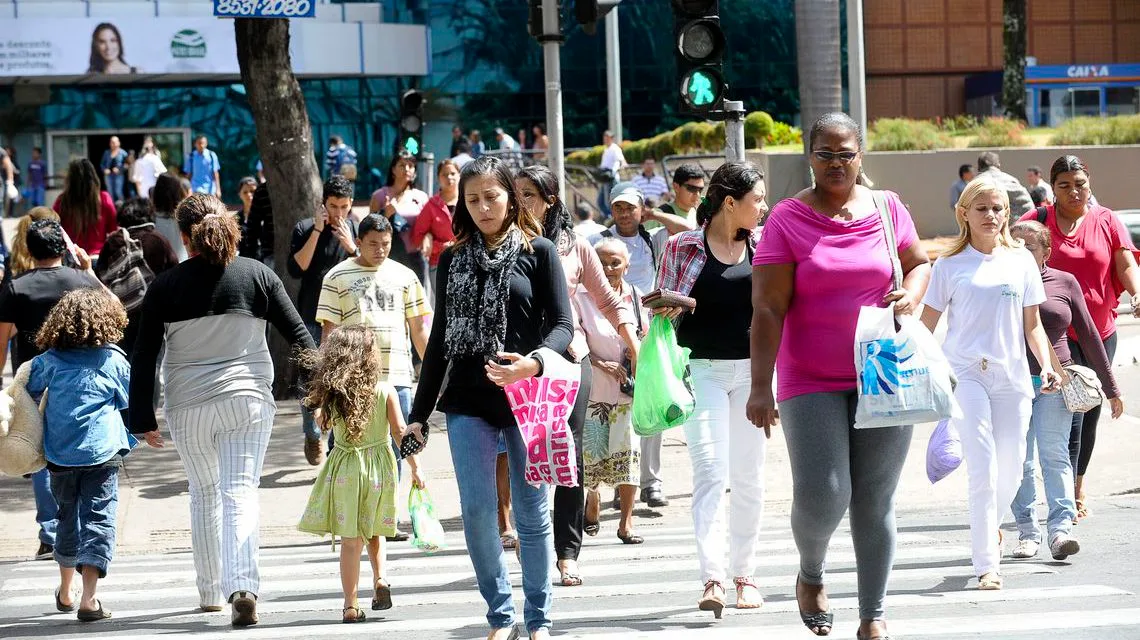
The Debt Trap: Brazilian Households in Financial Strain.
One-stop reference
Company Intelligence
Every listed company in Latin America — financials, ownership and structure for 1,450+ companies across 26 exchanges, in one place.
Browse the directory →
RT
Ask Rio Times
17 years of Latin America reporting, on demand.
Open the full Ask Rio Times →

Europe

  • United Kingdom: Household debt reaches about 86.5% of GDP, surpassing Brazil.
  • Germany: With household debt around 54% of GDP, Germany exhibits cautious borrowing habits.
  • Spain: Here, household debt is near 58% of GDP, situated between Brazil’s and Europe’s lower averages.

Asia

  • China: The household debt hits around 61% of GDP, fueled by quick consumer credit expansion.
  • Japan: With about 65% of GDP as household debt, Japan shows moderate debt levels.
  • India: Markedly conservative, India’s household debt hovers around 12% of GDP.

Africa

  • South Africa: Household debt is close to 75% of GDP, aligning closely with Brazil’s figures.
  • Nigeria: At around 5% of GDP, Nigeria’s household debt reflects restricted credit access.

Brazil’s household debt level of 78.5% ranks high globally, particularly against Latin America and Asia.

It aligns more closely with figures from the UK and South Africa. The prevalence of credit card use, which constitutes 86% of debtors, drives Brazil’s high debt levels.

The survey reveals a greater debt burden on lower-income families in Brazil:

  • Up to three minimum wages: 81% in debt.
  • Three to five minimum wages: 79.6% in debt.
  • Five to ten minimum wages: 76.7% in debt.
  • Above ten minimum wages: 69.8% in debt.

In July, the default rate stood steady at 28.8%, showing a slight decrease from the previous year.

About 11.9% of families struggled with unpaid debts, improving from 13% last October.

By September, CNC expects household debt might drop to 78.2%, but it could climb to 78.4% by year-end. They foresee the default rate might reach 29.5% by 2024’s close.

Why It Matters

Understanding household debt is key to assessing a nation’s financial health. High debt levels suggest economic stress and potential instability.

In Brazil, significant challenges affect mainly lower-income families, making them more susceptible to economic shifts and high-interest rates.

By contrast, nations with lower household debt, like Mexico and India, demonstrate more conservative financial behaviors or limited credit access.

Conversely, countries like the UK, with higher debt levels, face greater financial instability risks.

Brazil’s economic dynamics, influenced by factors like inflation, credit access, and income distribution, necessitate robust economic policies.

These policies should foster financial stability and support the most vulnerable groups.

In conclusion, Brazilian households endure significant debt, comparable to some developed nations but surpassing many emerging markets.

This highlights the ongoing financial struggles faced by Brazilian families, especially those earning lower incomes.

This article was produced by The Rio Times’ automated newsroom system. How we use AI · Report an error

Read More from The Rio Times

The Rio Times · Power Map
See who really holds power in Latin America
Click to open the Power Map →

Rotate for Best Experience

This report is optimized for landscape viewing. Rotate your phone for the full experience.