Tanzanian Graphite Dispute Continues as South African Court Clears ARC
Tanzania · COMPANIES
Key Facts
—The claim: Pula Group seeks about $195 million in damages, alleging Motsepe-linked entities breached confidentiality and non-compete obligations tied to a Tanzanian graphite project.
—The South African ruling: On 15 April 2026, the Gauteng High Court found African Rainbow Capital was not liable because it was not a party to the non-disclosure agreement signed in 2019.
—The NDA: The agreement was signed between African Rainbow Minerals and Pula, not African Rainbow Capital, the court confirmed.
—Tanzanian proceedings: The wider case against other Motsepe-linked entities remains unresolved, with a mention scheduled for 23 February 2026 according to the source tied to Tanzania’s proceedings.
—The rival project: Pula alleges confidential information was used to support an investment in Evolution Energy Minerals, an Australian-listed company with a nearby graphite asset.
—Patrice Motsepe’s response: The South African billionaire called the lawsuit “absolute rubbish” in December 2024, according to Billionaires.Africa.
A Tanzanian graphite dispute seeking about $195 million in damages has split into two legal tracks after a South African court cleared African Rainbow Capital of liability, while proceedings against other entities linked to billionaire Patrice Motsepe continue in Tanzania.
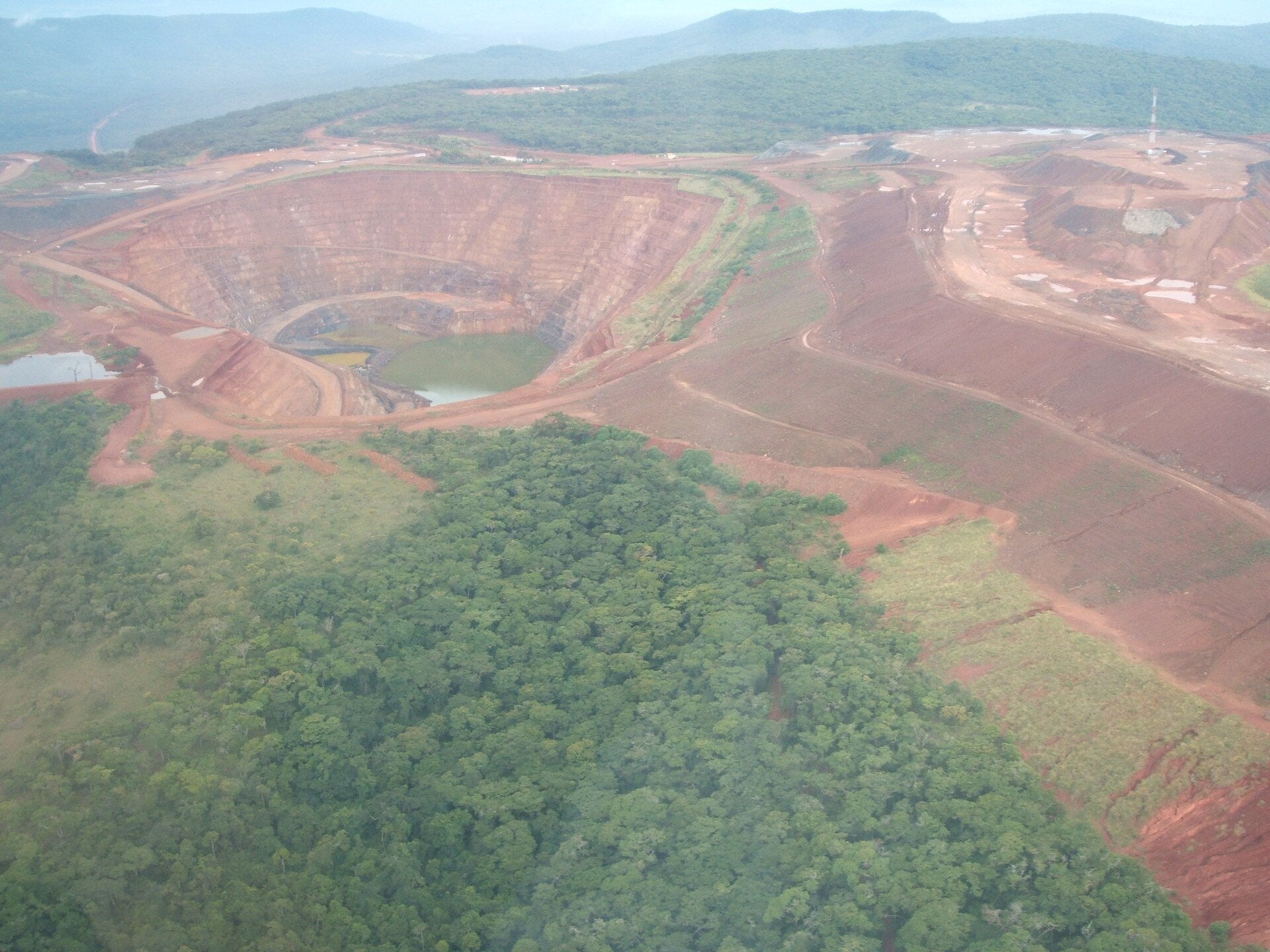
What the Tanzanian graphite dispute is about
Pula Group, also known as Pula Graphite Partners Tanzania Limited, alleges that Motsepe-linked entities breached confidentiality and non-compete obligations connected to a proposed graphite development in Tanzania. The claim centres on accusations that sensitive information shared during negotiations was later used to support a rival investment.
That rival is Evolution Energy Minerals, an Australian-listed company whose graphite project sits near Pula’s area of interest. The damages sought are reported at $195 million, with South African media converting the figure to between R3.2 billion and R3.4 billion depending on the exchange rate used.
Graphite is a strategically important mineral for batteries and industrial supply chains, placing the dispute inside a broader competition for control over future energy-transition inputs. The case illustrates how Tanzania’s mining sector has become a venue where local ambition, foreign capital and contract enforcement collide.
The South African court ruling explained
On 15 April 2026, the Gauteng High Court ruled that African Rainbow Capital could not be held liable under the non-disclosure agreement at the heart of the case. The court’s finding was procedural and contractual: ARC was not a signatory to the NDA, which was signed in 2019 between African Rainbow Minerals and Pula.
The ruling did not end the wider Tanzanian dispute. It cleared ARC on a specific liability theory tied to the NDA, but other Motsepe-linked entities including African Rainbow Minerals and ARCH Sustainable Resources remain named in the Tanzanian proceedings.
According to the Gauteng High Court ruling reported in April 2026, ARC was not a party to the NDA and therefore could not be held liable under it. The decision represents a partial victory for the Motsepe camp while leaving the core allegations unresolved.
How the legal fight unfolded
Pula initiated proceedings in Tanzania in 2023 against Motsepe-linked entities. By December that year, reporting indicated that African Rainbow Minerals, ARCH and Patrice Motsepe himself had failed to appear at a hearing in Tanzania.
In July 2024, the Tanzanian High Court reportedly ruled that some defendants no longer had standing after failing to appear, though a default judgment application remained pending. Bloomberg reported the case was set to resume on 4 November 2024; Moneyweb recorded a pre-trial conference set for 22 August 2024.
Mail & Guardian reported on 23 January 2026 that the case remained active, with interlocutory disputes and a mention scheduled for 23 February 2026. The parallel South African proceedings added a new dimension as parties fought over which court gets to decide key questions of liability.
Jurisdiction and the battle over where justice happens
The most important power dynamic in this case is procedural. Parties are fighting not only about the merits of the allegations, but about which court gets to decide and whether defendants can avoid or delay exposure across multiple legal systems.
Pula Group disputed the Motsepe camp’s move to South African courts, arguing the matter belonged in Tanzania where the alleged breaches occurred. The Star reported in August 2025 that Pula opposed the shift to South African jurisdiction in what it characterised as a R3.4 billion graphite dispute.
This jurisdictional tug-of-war reflects a broader pattern in cross-border African mining disputes. Investors are watching closely to see how enforceable non-disclosure agreements and non-compete clauses prove to be when deals span multiple legal systems.
The critical minerals angle and regional stakes
Graphite is classified as a critical mineral essential for electric vehicle batteries and industrial supply chains. Tanzania’s graphite deposits sit inside a corridor that has drawn increasing attention from global powers competing for energy-transition inputs.
The dispute carries transnational commercial and political visibility because the plaintiff is described as United States-based in multiple reports, while the allegedly competing project sits with an Australian-listed company. South African capital, represented by Motsepe-linked firms, forms the third pole in this contest.
For Patrice Motsepe, one of Africa’s most prominent industrialists, the issue is not only the $195 million claim but also reputational stakes. His firms stand accused of using sensitive information improperly, an allegation he has dismissed as “absolute rubbish,” according to Billionaires.Africa in December 2024.
The case forms part of a wider pattern of competition for African mineral assets covered by Africa: The New Scramble, where contract enforcement and jurisdictional battles increasingly shape investment outcomes.
What to watch next in the Tanzanian graphite dispute
The Tanzanian proceedings moved on 12 August 2026, when the High Court of Tanzania struck Pula’s US$195 million claim off the roll for failure to join Evolution Energy Minerals and its Tanzanian subsidiary as necessary parties. The court affirmed Tanzanian jurisdiction and rejected the argument built on the South African judgment. Pula said it was taking advice on how to proceed. Separately, Pula abandoned its South African appeal on 11 July 2026, which African Rainbow Capital reads as accepting the April judgment as final.
The South African ruling clearing ARC may influence how liability is mapped across the remaining defendants, but it does not address the core allegation that confidential information was misused. Regional investors will read the outcome as a test of how mining commitments are enforced when disputes cross borders.
For now, the dual-track litigation leaves Pula Group pursuing its $195 million claim in Tanzania while the Motsepe camp has secured one significant procedural victory in South Africa. The broader question of what happened to the confidential information shared during graphite-project discussions remains unanswered.
More: South Africa news in English, every day from The Rio Times.
The big picture: South Africa explained — economy, politics, society and daily life in one read.
Frequently Asked Questions
What is the Tanzanian graphite dispute about?
Pula Group alleges that Motsepe-linked entities breached confidentiality and non-compete obligations, using sensitive information to support a rival investment in Evolution Energy Minerals, and seeks about $195 million in damages.
Did the South African court dismiss the entire claim?
No, the Gauteng High Court ruled only that African Rainbow Capital was not liable because it was not a party to the non-disclosure agreement, while Tanzanian proceedings against other entities continue.
What did Patrice Motsepe say about the lawsuit?
In December 2024, Motsepe called the lawsuit “absolute rubbish,” according to Billionaires.Africa.
Connected Coverage
This case forms part of a wider pattern of competition for African mineral assets covered by Africa: The New Scramble.
Sources
This article was produced by The Rio Times’ automated newsroom system. How we use AI · Report an error
LatAm Markets: Live Signals → — real-time movers, turnover leaders and FX across Latin America.
Read More from The Rio Times