China’s Defense Budget: The Real Figures Behind the World’s Second-Largest Military
(Analysis) China announced a 7.2% increase in its official defense budget for 2025, bringing the allocation to 1.78 trillion yuan ($296 billion).
While this figure cements China’s position as the world’s second-largest military spender, experts widely believe these numbers significantly understate the country’s actual expenditures.
This discrepancy underscores a broader pattern of opacity in Beijing’s governance, raising concerns about its reliability and strategic intentions. Analysts estimate that China’s real military spending could be two to three times higher than the official figures.
Reports from institutions like SIPRI and U.S. intelligence agencies suggest actual expenditures range between $471 billion and $700 billion annually.
These unofficial estimates account for hidden costs such as research and development (R&D), paramilitary forces like the People’s Armed Police, foreign arms acquisitions, and contributions from state-owned enterprises to defense projects.
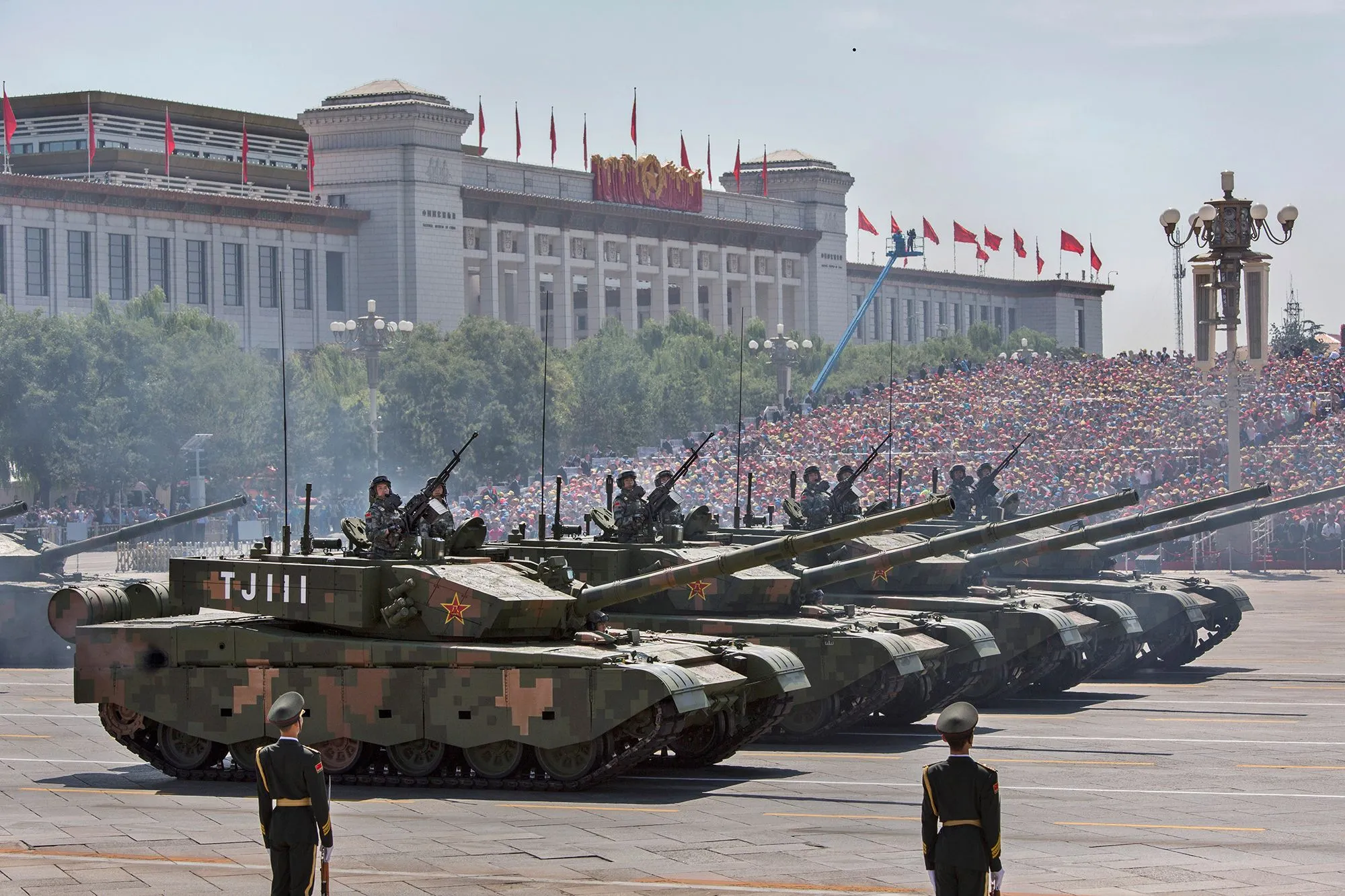
The consistent underreporting reflects deliberate efforts to obscure the true scale of China’s military modernization. The lack of transparency in China’s defense budget is emblematic of broader issues in its governance.
Official figures categorize spending into vague areas like personnel, training, and equipment without providing detailed breakdowns. Critical investments in R&D, which drive advancements in artificial intelligence, hypersonic weapons, and space technologies, remain undisclosed.
China’s Military Transparency
Transparency International ranks China’s defense budget transparency at a meager 1.5 out of 12 points, highlighting systemic opacity. This pattern of concealment extends beyond defense spending.
China has faced repeated accusations of manipulating economic data and suppressing information on public health crises, such as COVID-19. Additionally, it has been accused of distorting trade statistics to bolster its global image.
Such practices undermine trust in Beijing’s official narratives and complicate efforts to assess its true capabilities and intentions. China’s hidden military expenditures support ambitious modernization goals outlined by President Xi Jinping.
Over the past decade, Beijing has doubled its official defense budget. It has also developed advanced missile systems, expanded its navy to become the largest globally by ship count, and integrated cutting-edge technologies into its arsenal.
These efforts align with Xi’s vision of achieving full military modernization by 2035 and establishing global dominance by 2049. While Beijing insists its spending is defensive and proportionate—remaining below 1.5% of GDP—its lack of transparency fuels international skepticism.
The gap between official and unofficial figures highlights broader concerns about China’s reliability as a global actor. As tensions rise over Taiwan and territorial disputes in the South China Sea, understanding Beijing’s true capabilities becomes increasingly critical for global security planning.
This article was produced by The Rio Times’ automated newsroom system. How we use AI · Report an error · Editorial responsibility: Matthias Camenzind, Editor-in-Chief
Read More from The Rio Times