S&P Lifts Outlook on Mexico’s Cemex to Positive
Mexico · CORPORATE
Key Facts
- —What happened S&P Global Ratings revised its outlook on Mexican cement maker Cemex to positive from stable on September 3, 2026.
- —How big Cemex’s debt has fallen to about two and a half times its yearly cash earnings, S&P said.
- —What it means A positive outlook usually comes before an actual rating upgrade at agencies like S&P Global.
- —The catch Cemex’s actual bond credit rating stayed the same at BBB-, only the outlook improved to positive.
- —Who it affects The rating action covers all of Cemex’s cement operations worldwide, including Mexico, the United States and Europe.
- —What comes next S&P said it could raise Cemex’s actual rating again within the next one to two years.
S&P Global Ratings says stronger profits and lower debt now put Cemex on a path toward a full rating upgrade.
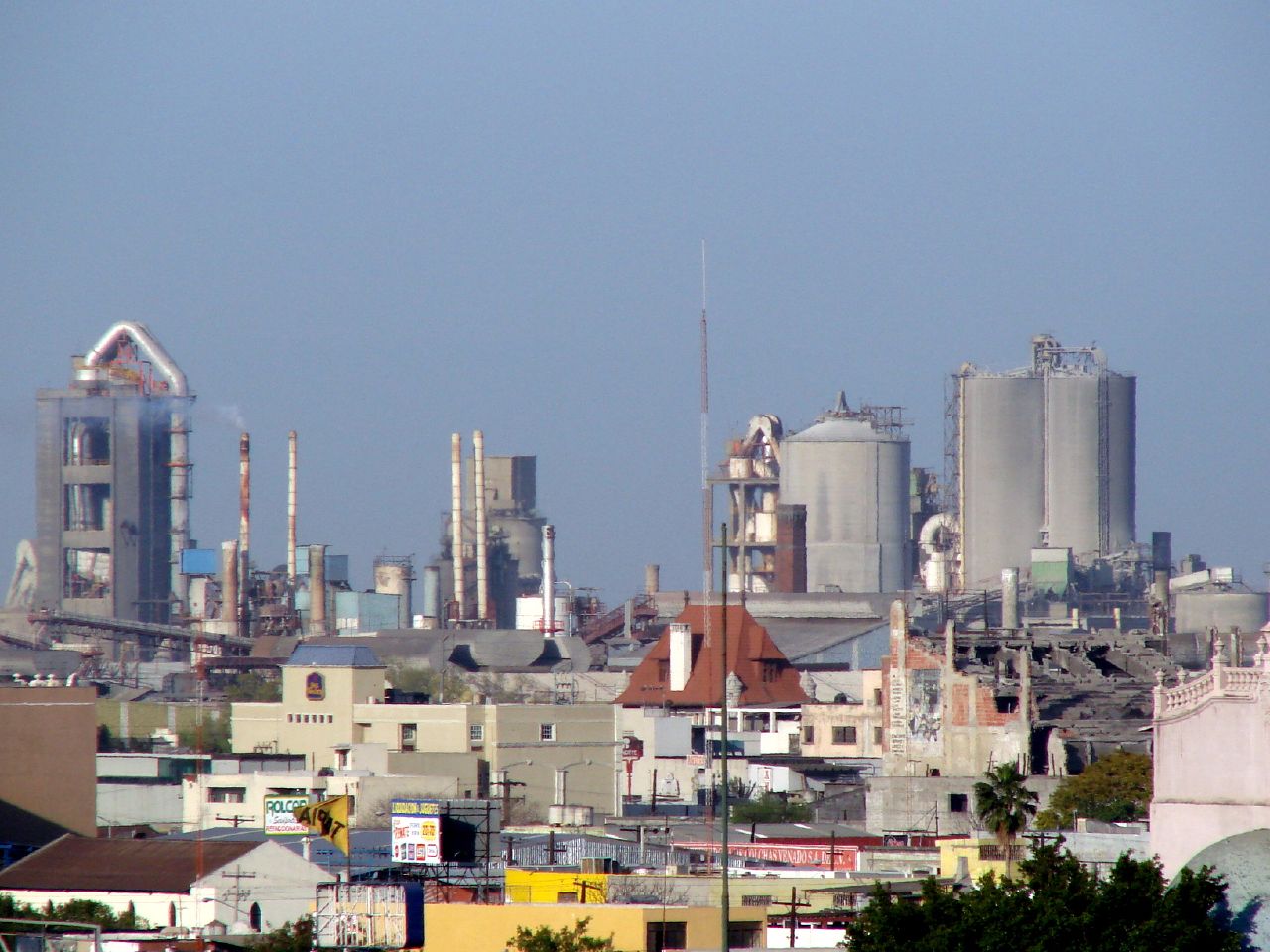
S&P Global Ratings has grown more confident in Cemex, Mexico’s largest cement maker. The credit rating agency revised its outlook on the company to positive from stable on Thursday.
The move signals stronger operations and a lighter debt load, S&P said. It affirmed Cemex’s BBB- credit rating, the same level it has held since 2024.
What S&P Actually Announced
S&P kept Cemex’s credit rating unchanged at BBB-, one step above junk status. It only changed the outlook attached to that rating, from stable to positive.
An outlook is not a rating change on its own. It signals which way S&P thinks a rating could move over the next year or two.
S&P also affirmed a BBB- rating on Cemex’s regular bonds. It kept a BB rating on Cemex’s riskier perpetual bonds, two steps lower.
Cemex is formally named Cemex, S.A.B. de C.V. It trades on the New York Stock Exchange under the ticker CX.
BBB- still counts as investment grade, the safer tier of corporate debt. Ratings below that level are known as junk bonds.
Why S&P Made the Move
S&P pointed to strong operations and lower debt relative to earnings. Cemex’s earnings jumped nearly 27 percent in the first half of 2026.
Those earnings reached US$1.8 billion for the six-month period. S&P expects full-year earnings of about US$3.6 billion in 2026.
It sees US$3.7 billion the following year. Cemex’s stronger results reflect solid demand in most of its markets.
Price increases and cost controls also helped widen profit margins, the company has said. Cemex has also generated strong free cash flow.
That cash has let the company pay down debt faster than expected, S&P noted.
Live Company IntelligenceCemex SAB de CV ADR — the full investor dossier
Wall Street view
Valuation & profitability
Price & risk
$9.0252-wk high
$13.60
Revenue trend · 6y
Ownership
Dividend
Explaining the Numbers
Investors watch how much a company owes compared with what it earns. Cemex’s debt now equals about two and a half times one popular earnings measure.
EBITDA stands for earnings before interest, taxes, depreciation and amortization. It is a rough measure of how much cash a business generates from its operations.
A lower ratio means a company carries less debt for every dollar it earns. S&P called Cemex’s 2.5-times ratio a clear improvement.
S&P also tracks cash flow against debt. Cemex’s cash earnings now cover close to 30 percent of its debt.
Free cash flow is money left over after a company pays its bills. Cemex’s free cash flow now covers more than 15 percent of its total debt.
From Junk Bonds to Investment Grade
Cemex spent years working to escape junk-bond status. S&P first lifted the company to investment grade in March 2024.
That move raised Cemex from BB+ to BBB-, its rating ever since. The new outlook change keeps that grade in place for now.
It also points toward a possible rise later. Fitch Ratings made a similar move in April 2026.
It revised its own Cemex outlook to positive as well. Fitch also affirmed a BBB- rating on Cemex, the same grade S&P uses.
Two major agencies now see the company on similar footing.
What It Means for Cemex’s Borrowing Costs
A better outlook can lower what a company pays to borrow money. Investors often accept smaller interest payments from firms seen as safer bets.
Cemex sells bonds regularly to fund new plants and refinance older debt. Cheaper borrowing costs free up cash for other priorities, like dividends or debt payoff.
Being rated investment grade already helps Cemex reach more buyers. Many large pension funds and insurers can only hold investment-grade bonds under their own rules.
A further upgrade would put Cemex on stronger footing with those buyers. It could also narrow the borrowing-cost gap with larger rivals.
Cemex has also used its cash to keep paying down debt. S&P expects that trend to continue over the next year or two.
Lower borrowing costs also give Cemex more room to invest in growth. That could include new plants or technology to cut emissions.
A Strong Second Quarter
The outlook change follows solid quarterly results for Cemex. Second-quarter sales rose 12 percent to about US$4.6 billion.
Quarterly earnings hit a record US$1.02 billion, up 24 percent from a year earlier. Net income climbed 9 percent to roughly US$347 million.
Not every region did equally well. Bad weather hurt earnings in the United States.
Those U.S. earnings fell 11 percent from a year earlier. Three other regions still posted higher earnings for Cemex.
Even so, Cemex raised its full-year earnings forecast this quarter. It now expects EBITDA to grow 16 to 17 percent in 2026.
Cemex ranks among the world’s largest building-materials companies. It was founded more than a century ago in Monterrey, northern Mexico.
More: Mexico news in English, every day from The Rio Times.
Frequently Asked Questions
What did S&P actually do to Cemex’s rating?
S&P revised its outlook on Cemex to positive from stable on September 3, 2026. It kept the company’s BBB- credit rating unchanged.
What does a “positive outlook” mean?
It means S&P sees a good chance of raising Cemex’s rating within the next one to two years. The rating itself has not changed yet.
Why did S&P point to lower debt?
Cemex’s debt now equals about two and a half times its EBITDA, a measure of core profit. That ratio has fallen from higher levels in recent years.
How does this affect Cemex’s borrowing costs?
Investment-grade companies with improving outlooks usually pay less to borrow money. A further upgrade could push Cemex’s bond costs even lower.
What happens next?
S&P could raise Cemex’s actual rating within the next one to two years. The decision depends on Cemex sustaining its recent improvement, S&P said.
Sources: S&P Global Ratings, Investing.com, Cemex, S.A.B. de C.V., Fitch Ratings.
This article was produced by The Rio Times’ automated newsroom system. How we use AI · Report an error · Editorial responsibility: Matthias Camenzind, Editor-in-Chief
In depth
LatAm Markets: Live Signals → — real-time movers, turnover leaders and FX across Latin America.