Senegal Power Cuts End as Minister Sets Out US$690 Million Village Plan
Senegal · ENERGY
Key Facts
- —The country Senegal is a West African coastal state of about 18.9 million people. Its economy, about US$37 billion in 2025 (World Bank), is smaller than the US state of Vermont’s.
- —Why it matters Dakar is a regional hub for business, diplomacy and aid groups. Senegal now pumps its own oil and gas, yet still burns costly imported fuel for much of its power.
- —Why now On 1 October 2026 the energy minister set out a plan to reach every village by 2029, days after Senelec, the state electricity company, ended nearly two weeks of power cuts in Dakar.
- —What happened On 21 September Senelec’s chief said a fault at a Turkish floating plant cut about 200 megawatts (MW) from the grid. Senelec said both failed units were back by 23 September.
- —The numbers The state will invest nearly 400 billion CFA francs (about US$690 million) to connect 6,471 villages by 2029, energy minister El Hadji Abdourahmane Diouf said.
- —What it means for you Residents and businesses in Dakar should plan for backup power. Investors should watch whether cheaper domestic gas reaches power plants.
- —Still open Whether the village money is fully secured, including new World Bank lending, and whether domestic gas can prevent new cuts.
Senegal power cuts hit Dakar for nearly two weeks before supply recovered. The grid still leans on imported fuel, and a plan to connect thousands of villages needs money.
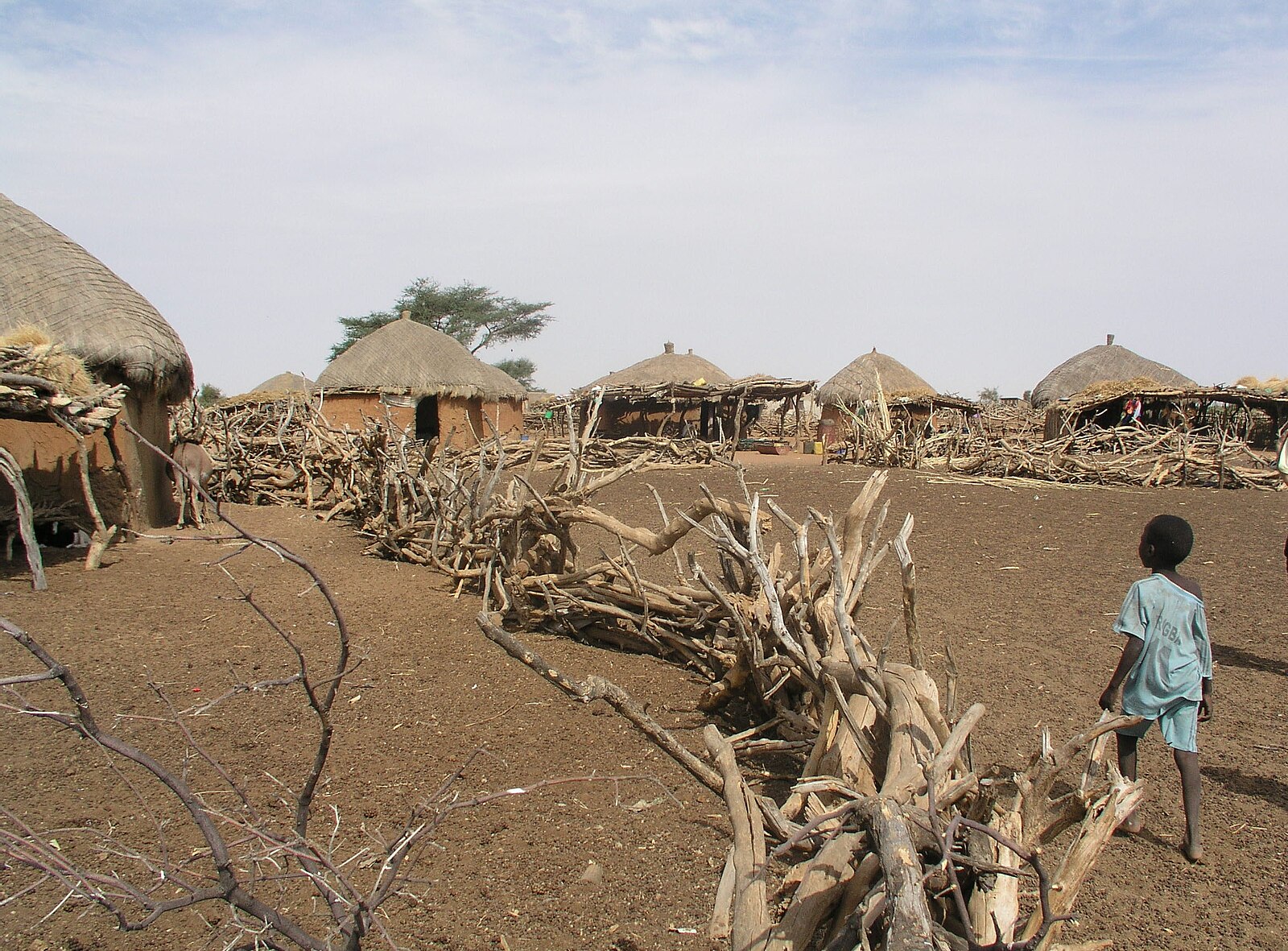
Senegal power cuts hit the capital, Dakar, in September 2026 as a heatwave drove up demand. Senelec, the state electricity company, said two key plants had broken down while fuel supplies were tight. It says supply has been back to normal since 23 September.
Senegal, a West African country of about 18.9 million people, is often held up as a regional success on electricity access. The outages show how fragile that progress remains, in the city and in the countryside.
What went wrong in Dakar
On Monday 21 September, Senelec director general Pape Toby Gaye spoke on RTS, the state broadcaster. He said a failure at a Karpowership vessel had removed about 200 megawatts (MW) from the grid.
Karpowership is a Turkish company that moors floating power plants off coastal cities. The fault was in a booster pump of its fuel storage and regasification system, according to Benin Web TV.
A turbine was also offline at the West African Energy plant at Cap des Biches, east of Dakar. Gas shortages had already forced that plant to run partly on more expensive diesel.
Gaye said energy prices had jumped amid the conflict in the Middle East. Senelec said both plants should return before the end of that week, after a replacement pump arrived in Dakar.
The cuts were described as unusual for the capital. A similar incident had hit supply earlier, on 6 September.
The repairs held. Arona Baldé, Senelec’s director of system operations, said the floating gas unit was back in service from Tuesday 22 September and the West African Energy turbine restarted on Wednesday 23 September. About 400 MW returned to the grid, and Senelec said it had carried out no load-shedding since that Wednesday evening while meeting all demand, according to NDARINFO and Dakaractu.
Baldé also pointed to high fuel costs and cash strain at the utility, which had weighed on fuel purchases. Separately, Senelec blamed vandalism at its Diamniadio substation, outside Dakar, for local outages around 25 September.
Why gas is the hinge
Senegal began producing oil and gas in 2024 and 2025, including an offshore gas field shared with neighbouring Mauritania. Yet much of its power still comes from imported fuel oil and diesel.
The energy minister told Reuters on 17 September that Senegal wants to shift power plants to domestic gas. The aim is to lower generation costs and cut dependence on imported fuels, whose prices rose sharply this year.
On 1 October, energy and petroleum minister El Hadji Abdourahmane Diouf said Réseau Gazier du Sénégal, a majority state-owned company, plans about 340 kilometres of pipelines to carry domestic gas to power plants and industry. He blamed the recent cuts on strain between supply and demand and on occasional fuel supply problems.
That shift needs pipelines and gas-ready plants, which take time. Until then, any fuel shock or plant failure shows up quickly as darkness in Dakar.
The village plan and its price tag
Senegal is also pursuing a separate goal: electricity for every household by 2029. At a press briefing in Dakar on Thursday 1 October, Diouf said the state would invest nearly 400 billion CFA francs (about US$690 million) to electrify 6,471 localities by then, according to APS, Senegal’s state news agency.
He also said the government plans to split Senelec into subsidiaries, which he said is different from privatisation. He did not say how much of the 400 billion is already financed.
Senelec first put the cost at more than 400 billion CFA francs in February 2026. “We hope financing will be finalised quickly so work can begin,” Djiby Dieng, its director of infrastructure and equipment, said then, as quoted by Ecofin Agency.
The CFA franc is the currency shared by eight West African states and pegged to the euro. Conversions here use 582 CFA francs per US dollar (open.er-api.com, 2 October 2026).
The national strategy for universal access counts 6,456 remaining localities, home to about 1.13 million people. That figure appears in a World Bank project document dated April 2026.
How far Senegal has come
Official figures put national access at about 86 percent in 2024, one of the highest rates in West Africa. Cities reach about 98 percent, while rural areas stand near 70 percent.
World Bank data show slightly lower numbers: 83 percent nationally and 67 percent in rural areas in 2024. Either way, rural access has risen fast, from about 44 percent in 2022.
The universal access goal is part of Senegal’s national energy compact under Mission 300. That is a World Bank and African Development Bank drive to connect 300 million Africans by 2030.
Who pays, and the debt problem
The April 2026 World Bank document sought US$100 million in extra credit from IDA, the World Bank’s fund for the poorest countries. The money would extend and densify the grid.
That would cover only a fraction of the village plan. The rest must come from the state, other lenders or private investors.
Senegal’s public finances are tight. An audit found the previous government had under-reported debt and deficits. Moody’s and S&P then cut Senegal’s credit ratings deep into junk territory in 2025.
The International Monetary Fund (IMF) has put Senegal’s energy subsidies at about 4 percent of economic output in 2022. Cutting those subsidies while expanding access requires careful sequencing.
What it means for foreigners
For expats and companies in Dakar, generators and backup batteries remain a sensible precaution. Short cuts tend to cluster in hot months, when air conditioning pushes demand up.
For investors, the key signal is gas-to-power. If domestic gas reaches Senelec’s plants at scale, power costs and subsidy bills should fall.
What to watch next
First, whether supply holds through the hot months now that the Karpowership and Cap des Biches units are back. Second, whether new World Bank or other lending for the village programme is formally approved, and how the Senelec restructuring takes shape.
Senegal power cuts in the capital and dark villages in the countryside are two sides of one problem. Both depend on cheaper fuel and steady money.
Frequently Asked Questions
Why are there power cuts in Dakar?
Senelec, the state electricity company, blamed a fault at a Turkish floating plant, a broken turbine near Dakar and tight fuel supplies. A heatwave pushed demand up at the same time.
How much will it cost to connect Senegal’s remaining villages?
Senelec estimates more than 400 billion CFA francs, about US$690 million, to connect 6,471 villages by 2029. It said in February 2026 that financing still had to be finalised.
How many people in Senegal have electricity?
Official figures put access at about 86 percent in 2024, with cities near 98 percent and rural areas near 70 percent. World Bank data show slightly lower figures.
Will domestic gas make power cheaper in Senegal?
The energy minister told Reuters in September 2026 that more domestic gas should lower generation costs. That depends on gas actually reaching the power plants.
Connected Coverage
Sources
- aps.sn
- ndarinfo.com
- dakaractu.com
- beninwebtv.bj
- thepoint.gm
- bloomberg.com
- france24.com
- reuters.com
- ecofinagency.com
- french.xinhuanet.com
- documents1.worldbank.org
- data.worldbank.org
This article was produced by The Rio Times’ automated newsroom system. How we use AI · Report an error
LatAm Markets: Live Signals → — real-time movers, turnover leaders and FX across Latin America.
Read More from The Rio Times