Religious Groups Wary of Broad Extremism Definition in U.K.
The UK government has unveiled a revised definition of extremism, igniting discussions about its potential impact on civil liberties. Communities Secretary Michael Gove announced the new policy on March 14, 2024. The updated definition aims to address concerns about extremism following recent events in the Israel-Gaza conflict.
Under the new guidelines, extremism is defined as promoting ideologies based on violence, hatred, or intolerance. These ideologies must aim to negate fundamental rights, undermine democracy, or create an environment for such actions. The government claims this definition sets a high bar and will only target the most concerning activities.
Critics argue that the broad nature of the definition could threaten free speech and religious freedom. The Christian Institute has expressed worry that the new policy might repeat past failures. They point to previous attempts to combat extremism that inadvertently affected innocent individuals and religious groups.
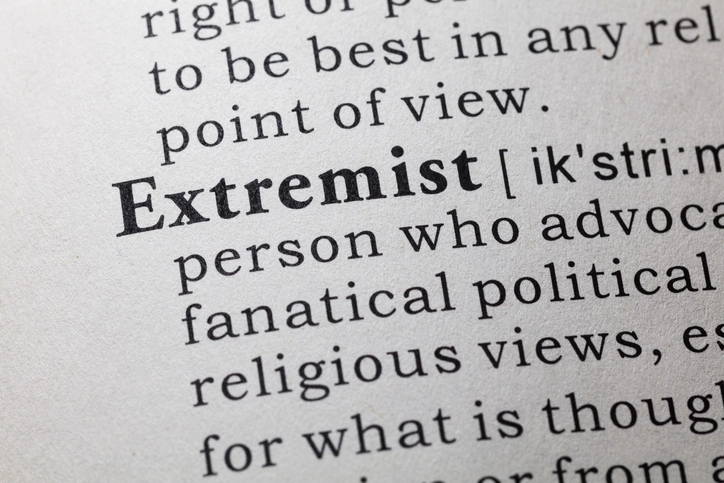
Some experts caution against expanding the definition of extremism. Former security officials, including Neil Basu and Lord Dannatt, have called for a more measured approach. They emphasize the need for a shared understanding of extremism that can withstand political changes.
Jonathan Hall KC, the government’s Independent Reviewer of Terrorism Legislation, described the proposed definition as “very loose.” He suggested focusing on actions rather than ideologies when addressing extremist threats. This approach aligns with the views of many respected scholars in the field.
Religious Groups Wary of Broad Extremism Definition in U.K.
The government plans to use this definition to block certain groups from accessing public funding and engaging with officials. However, it will not criminalize these organizations. A new unit, the Counter-Extremism Centre of Excellence, will gather intelligence to identify extremist groups.
Concerns have been raised about the potential impact on Muslim communities. Zara Mohammed, head of the Muslim Council of Britain, warned of unfair targeting. The government has already limited its engagement with some Muslim organizations in recent years.
Prime Minister Rishi Sunak has spoken about “forces trying to tear us apart” in the UK. He referred to recent pro-Palestinian protests, suggesting some groups are hostile to British values. This rhetoric has added to the controversy surrounding the new extremism policy.
The Race Equality Foundation has criticized the government’s approach. They argue that rushing into this definition risks further dividing society instead of enhancing safety. The foundation calls for urgent action and effective leadership to address these concerns.
Supporters of the new definition argue it is necessary to combat the evolving threat of extremism. They cite increases in hate crimes against both Jewish and Muslim communities since October 2023. The government aims to prevent the legitimization of groups that spread hate or undermine democracy.
Critics worry that the policy could lead to the unfair labeling of individuals or groups as extremists. They argue that existing laws are sufficient to address genuine threats. Some fear the new approach could worsen community tensions rather than improve cohesion.
The debate surrounding this new definition highlights the challenge of balancing security concerns with civil liberties. As the policy is implemented, its impact on free speech, religious freedom, and community relations will be closely watched by various stakeholders across the UK.
This article was produced by The Rio Times’ automated newsroom system. How we use AI · Report an error · Editorial responsibility: Matthias Camenzind, Editor-in-Chief
Read More from The Rio Times