Peru Oil Gap Reaches 210,000 Barrels a Day, Geologist Says
Peru · Energy
Key Facts
- —What happened Peru produces only 40,000 barrels of oil daily, needs 250,000, leaving a 210,000-barrel deficit, says geologist Carlos Bianchi.
- —How big a jump Crude oil imports rose 191.4% in June 2026, diesel B5 up 8.2% (per INEI).
- —The real story Peru’s diesel gap forces ~70% imports, exposing its mining sector to oil and dollar swings.
- —The catch Bianchi claims 210,000 barrels, but the true gap may be larger, per industry group SNMPE.
- —Who it touches Peru’s mines rely on imported diesel, so higher fuel costs squeeze profits and lift metal prices (US$…).
- —What comes next Peru seeks more oil investment to cut imports and stabilize the sol, but no daily deficit figure is published.
Peru produces a fraction of the oil it burns, leaving a huge gap that costs the country billions and exposes it to global prices.
Peru burns far more oil than it pumps, and the gap is wide. A leading geologist says the country needs 250,000 barrels a day but produces only 40,000, leaving a deficit of 210,000 barrels a day. That shortfall forces Peru to import most of its fuel, and the bill moves with the dollar and world crude prices.
The size of the gap
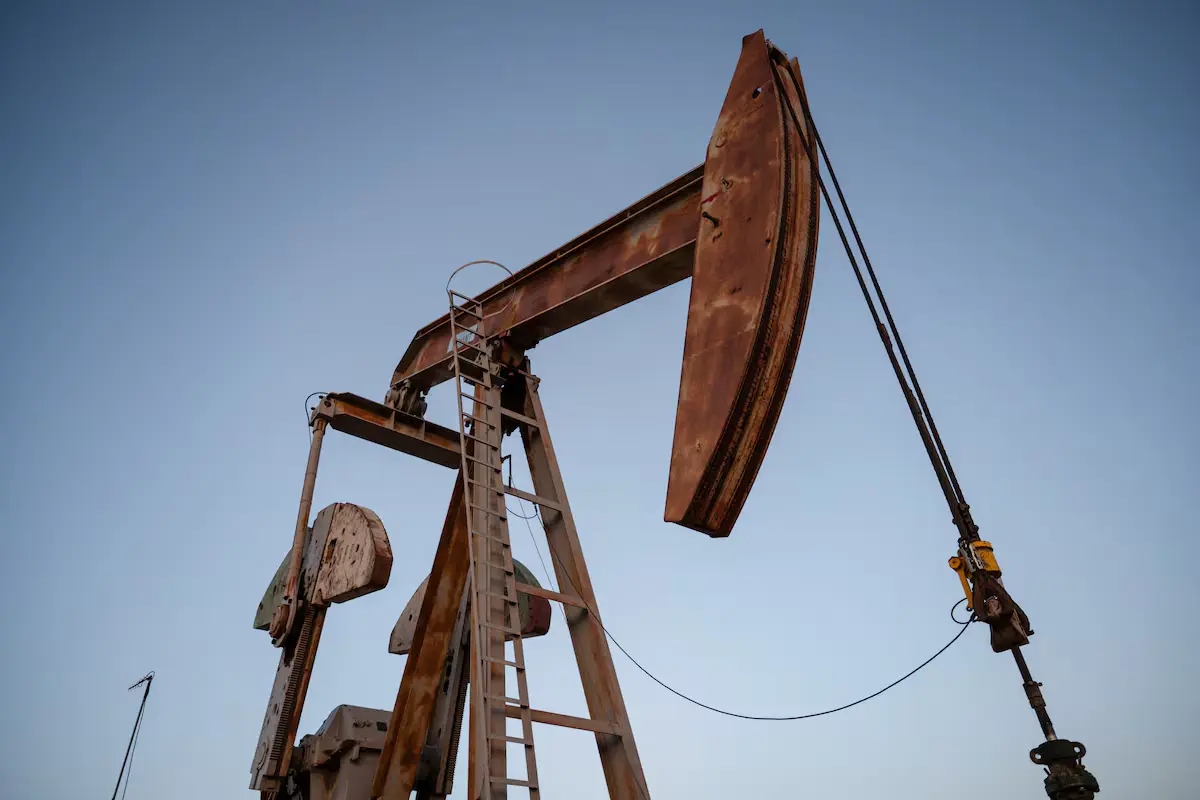
Peru’s oil production is tiny, and its demand is large. Carlos Bianchi, president of the Sociedad Geológica del Perú, says the country produces about 40,000 barrels of crude a day against a need of 250,000.
That leaves a shortfall of 210,000 barrels a day.
The SNMPE, Peru’s mining and energy society, reports even lower production of about 38,000 barrels a day. It estimates total fuel demand at nearly 280,000 to 300,000 barrels a day, which would make the gap larger than 210,000.
The difference is covered by imports. Peru brings in large volumes of refined fuels and crude oil, particularly diesel.
About 70% of the diesel Peru consumes comes from abroad, according to an industry note from August 2026.
The statistics agency INEI reported that in June 2026, imports of crude oil rose 191.4% and purchases of diesel B5 were up 8.2%. Those jumps show how heavily Peru leans on foreign supply.
Who is measuring it
The 210,000 barrel figure is a claim from Carlos Bianchi, not an official government number. Bianchi leads the Sociedad Geológica del Perú, a professional body for geologists.
The SNMPE, which represents mining and energy companies, gives a similar picture. Its numbers come from an interview published in August 2026 by Desde Adentro, though the exact day was not visible in the extract.
INEI, Peru’s national statistics institute, tracks imports month by month. Its June 2026 report showed the sharp rise in crude oil imports and the smaller but still notable increase in diesel B5 purchases.
No single official source publishes a daily deficit figure. The available data comes from industry groups and the statistics agency, and each measures slightly different things: crude oil production versus total fuel demand.
What it costs Peru
Peru’s fuel import bill is large, but we do not have an exact figure in dollars. The cost moves with the dollar and with world crude prices, making it a volatile expense for the economy.
For a foreign reader, think of Peru as a mining superpower but an oil minnow. It exports copper, gold, and silver, but it cannot fuel its own trucks and generators with domestic oil.
That mismatch is a structural weakness.
The fuel bill eats into the trade balance and puts pressure on the sol. Every rise in world crude prices or a stronger dollar pushes up the cost of keeping Peru’s economy moving.
Why this matters for Latin America
Peru’s oil gap is not just a local problem; it has regional ripple effects. As one of the world’s top copper producers, Peru’s mining sector depends on diesel for trucks, drills, and generators.
Higher fuel costs raise operating expenses and can squeeze profit margins.
Those costs often get passed through to global metal prices, which affects buyers worldwide. For Latin American neighbors that trade with Peru, a weaker sol or rising import bills can shift trade patterns and regional competitiveness.
For investors in Peruvian assets, the fuel import bill is a direct drag on the economy. It also influences the sol’s value, which matters for anyone holding Peruvian bonds or stocks.
The gap also explains why Peru is eager to attract oil investment. More local production would reduce imports, help the trade balance, and stabilize the currency.
Until then, Peru remains exposed to global energy shocks.
How the gap is covered
Peru covers its shortfall with imports, mostly of diesel and crude oil. Diesel is critical for mining and transport, and the country imports about 70% of what it uses.
The INEI data for June 2026 shows the trend: crude oil imports nearly tripled from a year earlier, while diesel B5 purchases grew 8.2%. The numbers highlight how dependent Peru is on foreign refineries and supply chains.
Peru does have some domestic refining capacity, but it is not enough to meet demand. The country also lacks the infrastructure to process all its heavy crude into the fuels it needs, adding to the import bill.
The government has tried to cushion the blow with subsidies, but those have been called a ticking time bomb by some experts. The structural fix, as Bianchi and others argue, is to raise national production.
More: Peru news in English, every day from The Rio Times.
Frequently Asked Questions
How much oil does Peru produce per day?
About 38,000 to 40,000 barrels a day, depending on the source. The SNMPE reports 38,000 barrels, while the Sociedad Geológica del Perú says around 40,000.
What is the exact oil deficit in Peru?
Carlos Bianchi of the Sociedad Geológica del Perú says the deficit is 210,000 barrels a day, based on production of 40,000 and demand of 250,000. The SNMPE suggests the gap could be larger.
How much diesel does Peru import?
Peru imports about 70% of the diesel it uses, according to an August 2026 industry note. In June 2026, INEI reported an 8.2% rise in diesel B5 imports.
Why is Peru’s oil gap important?
Because Peru is a big mining country, fuel is vital. The gap forces Peru to import oil, which costs money and exposes the country to world crude prices and exchange rate swings.
Connected Coverage
Copper Jumps 1.77% as Freeport-McMoRan Surges 3.11%
Sources: gestion.pe; desdeadentro.pe; proactivo.com.pe; cronicaviva.com.pe; infobae.com
This article was produced by The Rio Times’ automated newsroom system. How we use AI · Report an error · Editorial responsibility: Matthias Camenzind, Editor-in-Chief