By Emily He*
(Opinion) Thirty-five years after Brazil created the Sistema Único de Saúde, the fight for universal healthcare coverage continues in favelas all over the country.
The line between rich and poor is often blurred in the State of Rio de Janeiro, as they live side by side.
Favelas are vibrant communities that are faced with social inequality, and it is a fight for survival every day.
Access to healthcare should not be amongst their struggles if the Brazilian constitution is supposed to guarantee universal healthcare for all.
The root cause of ill health in the sprawling slums of Rio de Janeiro is poverty, where mortality rates are up to 10 times those in rich areas.
The conditions in the favelas are dire: lack of basic sanitation, shortage of water, houses with lack of basic infrastructure, and overcrowding.
Juliana Cesário, who is a favela resident, stated, “One of the problems here is the cost of energy to supply water. To have water requires a lot of energy.”
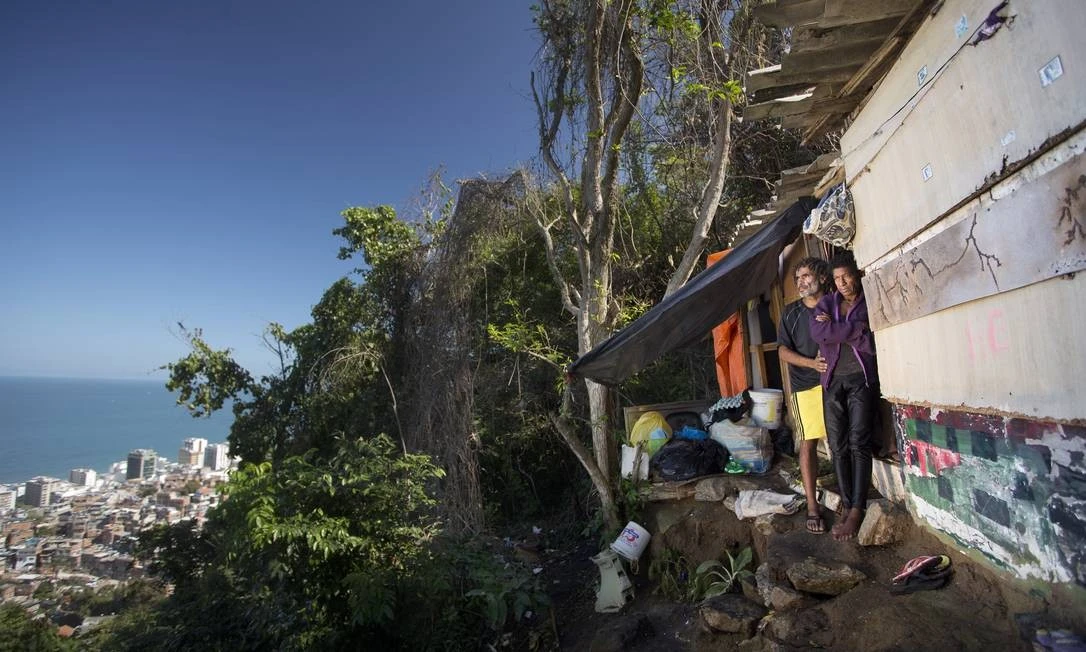
When favela residents can’t afford electricity, they siphon electricity from a grid called a ‘gato.’ The electricity grids are unreliable.
Domênica Ferreira said a resident turned to her and said she does not even have money for the basics in her house, let alone pay for electricity and water.
But I told her that electricity and water are basics for human beings… that we deserve and need to survive.
It is immensely alarming if a favela resident has a profound realization that water and electricity should be necessities.
When COVID-19 struck the favela of Maré, social isolation procedures were not a reality for the residents of the favelas.
According to a survey by Data Favela, 72% of favela residents in Brazil will run out of money in just one week of social isolation.
What is a choice if the only option is to work and die in the hands of the virus?
The lack of access to healthcare services caused a high probability of deaths from COVID-19 due to the limited number of beds for specialized care in hospitals and the lack of available beds in intensive care units.
The Unified Healthcare system in Brazil must be strengthened to uphold its original purpose of universal right to healthcare for all Brazilians and foreigners in their country.
The favelas of Rio de Janeiro mobilized to fight the virus and continue to fight for social equality in their communities – they should be given a voice when it comes to policy changes.
One of the principles of the Sistema Único de Saúde is Equity, that all people are equal before the law, without distinction of any kind.
The principle acknowledges that the state must concentrate its efforts and investments in territorial areas with the worst rates and deficits in the provision of public services.
Under quarantine conditions, individuals living in slums and peripheries suffer more than ever, and they point out that equality does not exist, not even by the law.
As we reflect on the thirty-five-year journey of the Sistema Único de Saúde, it is evident that the fight for universal healthcare is far from over, especially in vulnerable communities.
The disparities between the constitutional guarantee of universal healthcare and the lived experiences of favela residents highlight a systemic failure that demands attention.
It is time to come together to seek justice for government neglect and hold politicians accountable for their lack of action.
It does not matter where you are on the globe, we must come together to foster empathy and understanding.
To end, Wael Ghonim once said, “The power of the people is much stronger than the people in power.”
* Emily He is a graduate student at the CUNY Graduate School of Public Health and Health Policy
Editorial responsibility: Matthias Camenzind, Editor-in-Chief · Editorial standards · Report an error
Read More from The Rio Times