Oncoclínicas Sheds Saudi Stake and Books US$18M Unimed Deal
Markets: Brazil
Key Facts
—Deal. On August 3, 2026, Oncoclínicas disclosed two material facts the same day: a R$90 million (about US$17.7 million) settlement with a Unimed cooperative and the formalized sale of its Saudi joint-venture stake.
—Unimed. The group will forgive 43.5% of a R$159 million (about US$31.3 million) debt owed by Unimed São Gonçalo Niterói to collect R$90 million (about US$17.7 million) in cash, pending court approval.
—Saudi exit. It sold its 51% stake in Specialized Medical Treatment Company to its partner, Advanced Drug Company for Pharmaceuticals, part of the Al Faisaliah Group, for US$6.5 million.
—Distress. Oncoclínicas filed for out-of-court reorganization on July 14, 2026, to restructure about R$5.1 billion (roughly US$1 billion) in debt.
—Strategy. Both moves are framed as deleveraging and a refocus on Brazil, shedding foreign risk and turning a disputed receivable into cash.
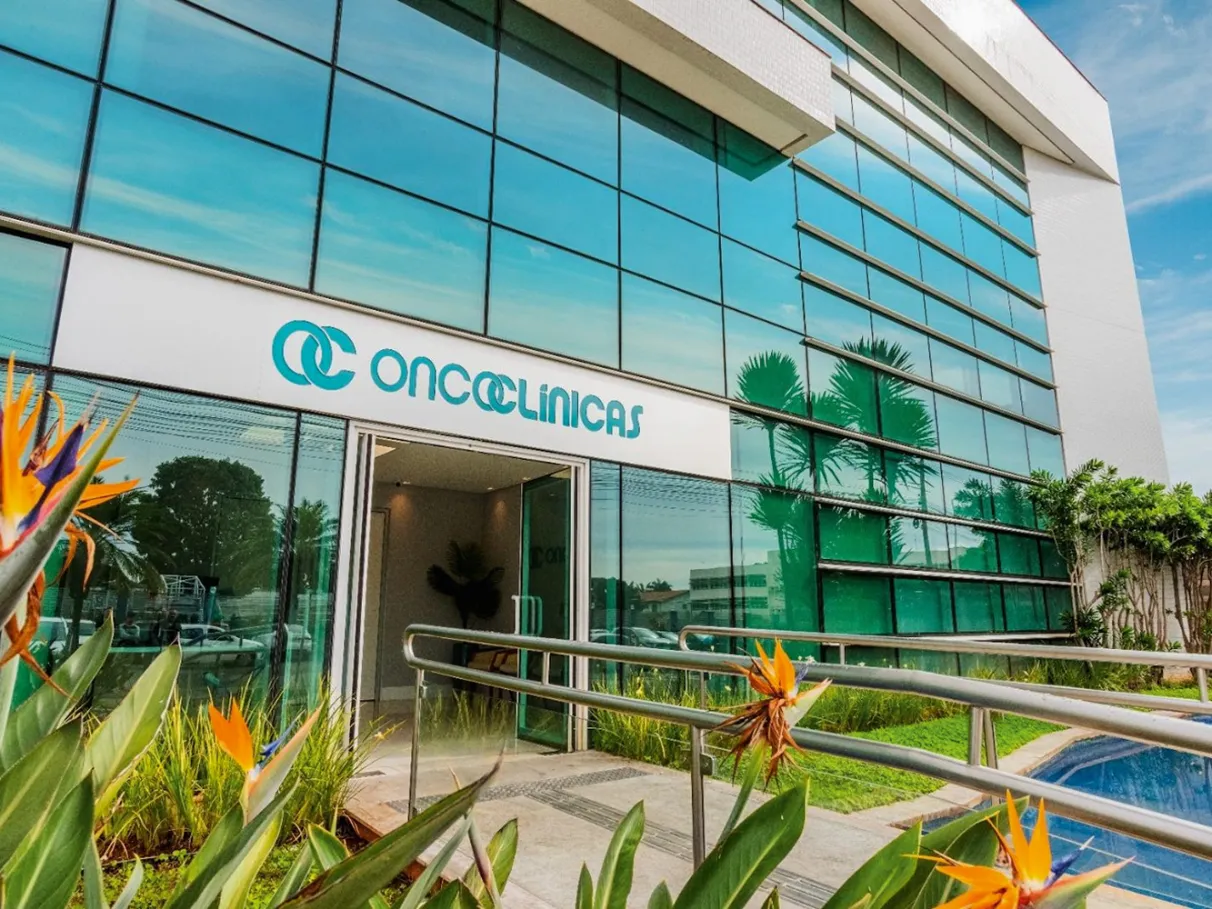
Brazil’s largest cancer-care network moved on two fronts the same day, banking a R$90 million (about US$17.7 million) Unimed settlement and formalizing the sale of its Saudi joint-venture stake as it races to cut heavy debt.
Two Same-Day Moves With One Target: Leverage
On August 3, 2026, Oncoclínicas&Co, the company that runs Brazil’s largest cancer-treatment network, filed two separate material facts with regulators. One settled a long-running billing dispute with a health-plan cooperative; the other closed the book on an overseas expansion. Both share a single logic: raise cash and cut risk at a company buckling under debt.
The timing is not coincidental. Oncoclínicas sought an out-of-court reorganization in mid-July, and every announcement since has been read by investors as a signal of how far, and how fast, management can shrink the balance sheet. Bundling two deleveraging steps into one trading day underlines the urgency.
For readers outside Brazil, the company is a useful case study in how a fast-growing, acquisition-hungry health-care operator can run into trouble when interest rates stay high and cash runs short.
The Unimed Settlement: Turning a Bad Debt Into Cash
The first announcement was an agreement to recover money Oncoclínicas was owed. A subsidiary, Navarro Serviços Oncológicos, had sued Unimed São Gonçalo Niterói, the operator of Unimed Leste Fluminense in Rio de Janeiro state, over unpaid installments totaling R$159 million (about US$31.3 million).
Under the deal, Oncoclínicas agrees to write off 43.5% of that balance in exchange for receiving R$90 million (about US$17.7 million). The suit was filed on June 1, before the reorganization request, and the settlement still needs to be ratified by the Rio de Janeiro courts.
The mechanics matter. Unimed is one of Oncoclínicas’s main paying customers, and the risk that the balance would go uncollected had already been booked, pressuring operating costs. Converting a contested receivable into a firm, near-term cash inflow is exactly the kind of move a company short on liquidity needs.
Exiting Saudi Arabia After Less Than Two Years
The second announcement formalized a retreat from an ambitious foreign bet. In August 2024, Oncoclínicas launched a joint venture in Saudi Arabia called Specialized Medical Treatment Company, partnering with Advanced Drug Company for Pharmaceuticals, part of the Riyadh-based Al Faisaliah Group.
The plan was bold: invest US$10 million to US$20 million over three years and, by year five, generate roughly US$550 million in revenue and US$150 million in EBITDA. Analysts saw upside but flagged execution risk in an unfamiliar market. Less than two years later, the venture is being unwound.
Oncoclínicas sold its 51% stake to its partner, which already held 49%, for US$6.5 million in cash. Management framed the exit as portfolio simplification, deleveraging and a concentration of effort on Brazil, while removing the operational and currency risks of running a clinic on the other side of the world.
How the Debt Reached US$1 Billion
Oncoclínicas filed for out-of-court reorganization, known in Brazil as recuperação extrajudicial, on July 14, 2026, to renegotiate about R$5.1 billion (roughly US$1 billion) in debt. The tool lets a company restructure obligations with creditors while continuing to pay suppliers and staff normally.
The cash squeeze had visible effects. Late in 2025 the company pulled forward R$330.5 million (about US$65 million) in receivables, and by 2026 it was struggling to buy cancer drugs in bulk, forcing purchases from local suppliers without volume discounts. It also terminated two build-to-suit leases, one on Avenida Angélica in São Paulo carrying a termination penalty near R$76 million (about US$15 million).
The proposed plan leans on capital injections, converting part of the debt into equity, swapping some obligations for new ones and stretching out repayment schedules. Creditors representing about 37% of the debt had signed on when the plan was disclosed.
The Banco Master Shadow
No account of Oncoclínicas’s troubles is complete without Banco Master, the lender whose collapse has rippled across corporate Brazil. In 2024 the company received a R$1.5 billion (about US$295 million) capital increase backed by its founder and former chief executive, Bruno Ferrari, and by Banco Master.
The arrival of such a controversial shareholder, combined with rising leverage and management turnover, steadily eroded market confidence. Since its 2021 listing, the stock has lost about 96% of its value, trading near R$0.61 (about US$0.12).
The Saudi venture itself was born in that 2024 window of aggressive expansion. Its quiet, cut-price exit in 2026 is, in effect, a reversal of the strategy that the Banco Master money helped fund.
What It Means for Patients, Investors and the Sector
For patients, the reorganization explicitly excludes routine operating obligations, so day-to-day treatment is meant to continue. The bigger question is whether a leaner, Brazil-focused Oncoclínicas can stabilize its drug supply and clinic network while it renegotiates debt.
For investors, the two same-day deals are incremental rather than transformative: R$90 million (about US$17.7 million) recovered and US$6.5 million raised are small against R$5.1 billion (roughly US$1 billion) in debt. But they signal a management willing to shed assets and settle disputes quickly to buy time.
For the wider health-care sector, the episode is a cautionary tale about debt-fueled consolidation. It also puts a spotlight on the financial health of the insurers and cooperatives that pay providers, since a squeezed operator can quickly turn billing disputes into courtroom fights.
More: Brazil news in English, every day from The Rio Times.
Frequently Asked Questions
What did Oncoclínicas announce on August 3, 2026?
It disclosed two material facts the same day: a settlement to collect R$90 million (about US$17.7 million) from a Unimed cooperative by forgiving 43.5% of a R$159 million (about US$31.3 million) debt, and the sale of its 51% stake in a Saudi joint venture for US$6.5 million.
Why is Oncoclínicas selling assets and settling debts?
The company filed for out-of-court reorganization in July 2026 to restructure about R$5.1 billion (roughly US$1 billion) in debt. Both moves aim to deleverage, raise cash and refocus on its core Brazilian operations.
What was the Saudi joint venture?
It was Specialized Medical Treatment Company, formed in 2024 with Advanced Drug Company for Pharmaceuticals, part of the Al Faisaliah Group, to build cancer care in Saudi Arabia. Oncoclínicas exited by selling its 51% stake to the partner for US$6.5 million.
Sources
Connected Coverage
Deleveraging and asset sales dominate the news flow around Brazil’s most indebted operators.
Sources: Gazeta do Povo, Seu Dinheiro, ANBA.
This article was produced by The Rio Times’ automated newsroom system. How we use AI · Report an error
LatAm Markets: Live Signals → — real-time movers, turnover leaders and FX across Latin America.
Read More from The Rio Times