Puerto Rico Drought Emergency 2026 Triggers Water Rationing
Climate: Puerto Rico
Key Facts
—Emergency. Governor Jenniffer González Colón signed executive orders declaring a state of emergency over drought and water shortages across Puerto Rico.
—National Guard. One order activated the Puerto Rico National Guard to help haul, distribute and purify water for affected communities.
—Scope. In late July 2026, more than 82% of the island was under abnormally dry or drought conditions, with authorities citing impacts across roughly 60% of Puerto Rico.
—Rationing. Thousands of residents in the northeast face 48-hour rationing cycles, with the emergency extended to the municipalities of Río Grande and Canóvanas.
—Causes. Rising temperatures, prolonged lack of rain and years of underinvestment in the water utility have combined to drain reservoirs and cut river flows.
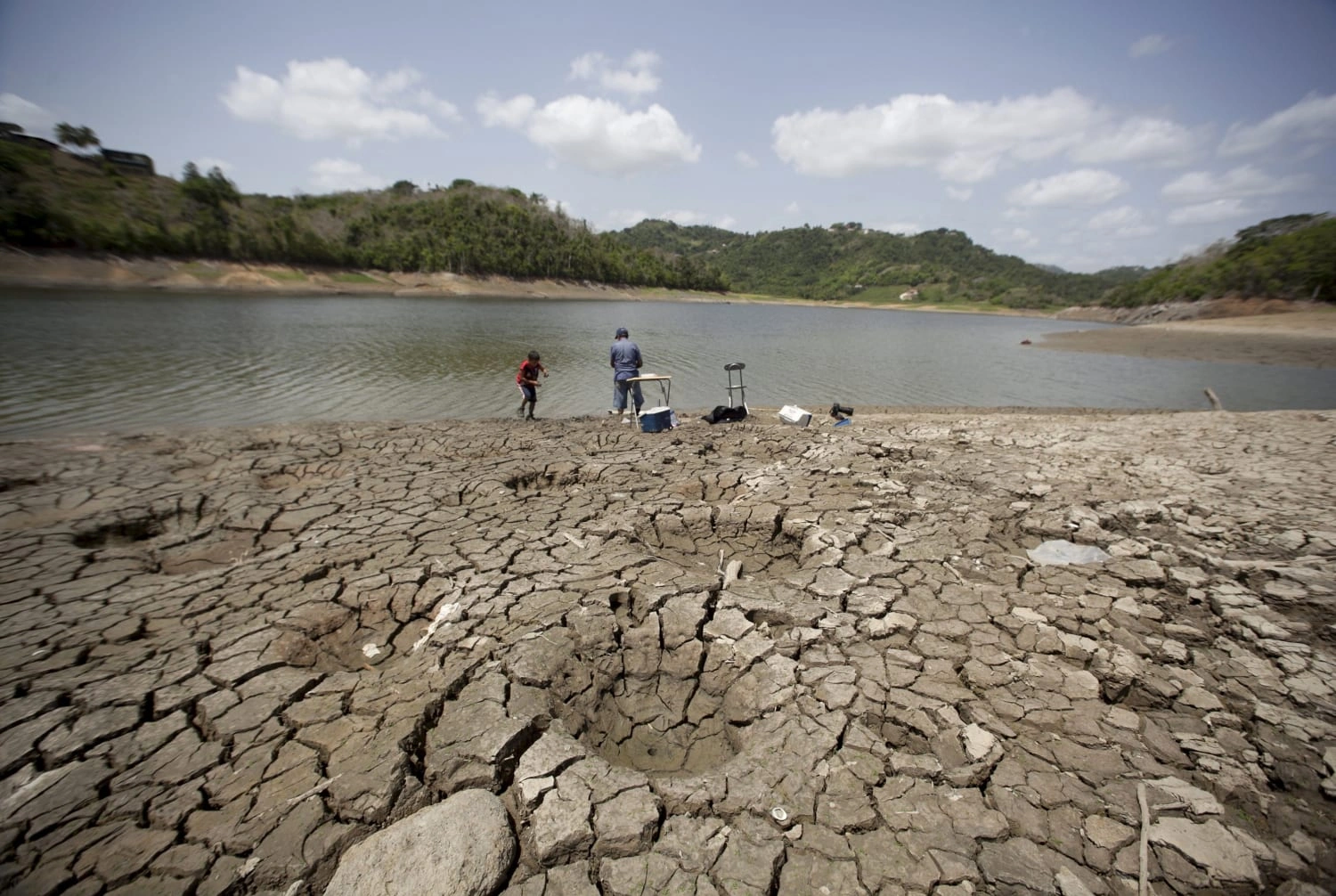
Puerto Rico’s governor declared a drought state of emergency and activated the National Guard to distribute water as over 80% of the island faces abnormally dry conditions.
The Emergency Declaration
Governor Jenniffer González Colón signed executive orders in late July 2026 declaring a state of emergency over drought and the strain it has placed on Puerto Rico’s water supply. The measures set out conservation rules and clear the way for emergency spending and support.
One order activated the Puerto Rico National Guard to assist with hauling, distributing and purifying water for communities hit by shortages. A companion order extended the emergency to additional municipalities facing scheduled service cutoffs.
The declaration formalizes a response to a shortage that had already been building for weeks. Officials said it would help coordinate agencies and speed relief to the hardest-hit neighborhoods.
Where the Rationing Hits Hardest
The sharpest measures fall on the island’s northeast, where thousands of residents face 48-hour rationing cycles. The emergency was specifically extended to the municipalities of Río Grande and Canóvanas, along with nearby communities exposed to planned outages.
Under rationing, water service is cut for set periods to preserve dwindling reserves, then restored on a rotating schedule. For households, that means storing water in advance and adjusting daily routines around the shutoff windows.
By late July 2026, authorities reported that more than 82% of Puerto Rico was under abnormally dry or drought conditions. Some assessments put meaningful drought impact across roughly 60% of the territory.
A Drought Layered on a Fragile System
Puerto Rico’s water troubles are not caused by weather alone. The public water utility has struggled for years with aging pipes, leaks and underinvestment, producing service failures that predate the current dry spell.
That fragility means a drought bites harder than it might elsewhere. When reservoirs drop and river flows shrink, a system already prone to breakdowns has little slack to absorb the shock.
Some residents in affected sectors have reported going long stretches with unreliable or no service, in cases stretching to months, blurring the line between drought rationing and chronic infrastructure failure.
What Residents Are Being Asked to Do
Conservation is the immediate ask. Authorities have urged residents to limit non-essential water use, store water for rationing windows, and prepare for rotating cutoffs in the northeast and other affected zones.
The National Guard’s role in hauling and purifying water is meant to reach communities where normal service is interrupted. Distribution points and tanker deliveries are typical tools during declared water emergencies.
Officials have also signaled they will seek federal assistance to cushion the cost of the response. Puerto Rico, as a US territory, can tap certain federal disaster and emergency channels when conditions warrant.
The Wider Caribbean Context
Drought and water stress are recurring themes across the Caribbean, where small island systems depend on seasonal rainfall and limited reservoir capacity. A dry stretch can quickly tip into rationing when there is little storage buffer.
Rising temperatures add to evaporation and demand, tightening the squeeze during dry months. For a densely populated island like Puerto Rico, the margin between adequate supply and shortage can be thin.
The current emergency fits a broader regional pattern in which climate variability and under-maintained infrastructure combine to produce repeated water crises, even in places with substantial annual rainfall.
What It Means for Expats and Visitors
For foreign residents and visitors, the practical impact depends on location. The northeast municipalities under rationing are most affected, while other areas may see conservation appeals rather than hard cutoffs.
Travelers to affected zones should expect possible service interruptions, store drinking water, and follow guidance from local authorities and accommodations. Tourist areas often have backup storage, but rationing can still reach them.
The episode underscores a longer-term issue for anyone settling in Puerto Rico: water reliability is tied as much to infrastructure investment as to rainfall. How quickly the island rebuilds its system will shape resilience against the next dry year.
More: Brazil news in English, every day from The Rio Times.
Frequently Asked Questions
Who declared Puerto Rico’s drought emergency?
Governor Jenniffer González Colón signed executive orders in late July 2026 declaring a state of emergency over drought, activating the National Guard and extending measures to municipalities including Río Grande and Canóvanas.
What water restrictions are in place?
Thousands of residents in the northeast face 48-hour rationing cycles, with service cut for set periods and restored on a rotating schedule. Authorities have urged conservation across the island as reservoirs fall.
What caused the water crisis?
A mix of rising temperatures, prolonged lack of rain and years of underinvestment in the water utility has drained reservoirs and cut river flows, with more than 82% of the island under abnormally dry or drought conditions in late July 2026.
Sources
Connected Coverage
Related Caribbean coverage from The Rio Times.
Puerto Rico Faces New Hurricane Season, Remembering the Maria Disaster
Sources: El Nuevo Día, Metro Puerto Rico, El Diario.
This article was produced by The Rio Times’ automated newsroom system. How we use AI · Report an error
Read More from The Rio Times