Ecorodovias Profit Sinks 74% as Capex and Inflation Bite
Markets: Brazil
Key Facts
—Result. Ecorodovias reported second-quarter 2026 recurring net income of R$52.9 million (about US$10.4 million), down 74.1% from a year earlier.
—Drivers. The fall reflects a heavy investment cycle in new concessions, persistent inflation and the end of the Ecovias Sul contract.
—Revenue. Adjusted net revenue edged up 1% to R$1.836 billion (about US$361 million); adjusted EBITDA slipped 1.1% to R$1.348 billion (about US$265 million).
—Capex and debt. Investment jumped 32% to R$1.5 billion (about US$295 million); net debt rose 18.9% to R$23.4 billion (about US$4.6 billion), lifting leverage to 4.1 times EBITDA.
—Context. The São Paulo-based operator is one of Brazil’s largest toll-road groups, betting on a multi-year, multi-billion-real expansion of its highway portfolio.
Ecorodovias, one of Brazil’s biggest toll-road operators, saw second-quarter recurring profit tumble 74.1% to R$52.9 million (about US$10.4 million) as an aggressive expansion and stubborn inflation squeezed the bottom line.
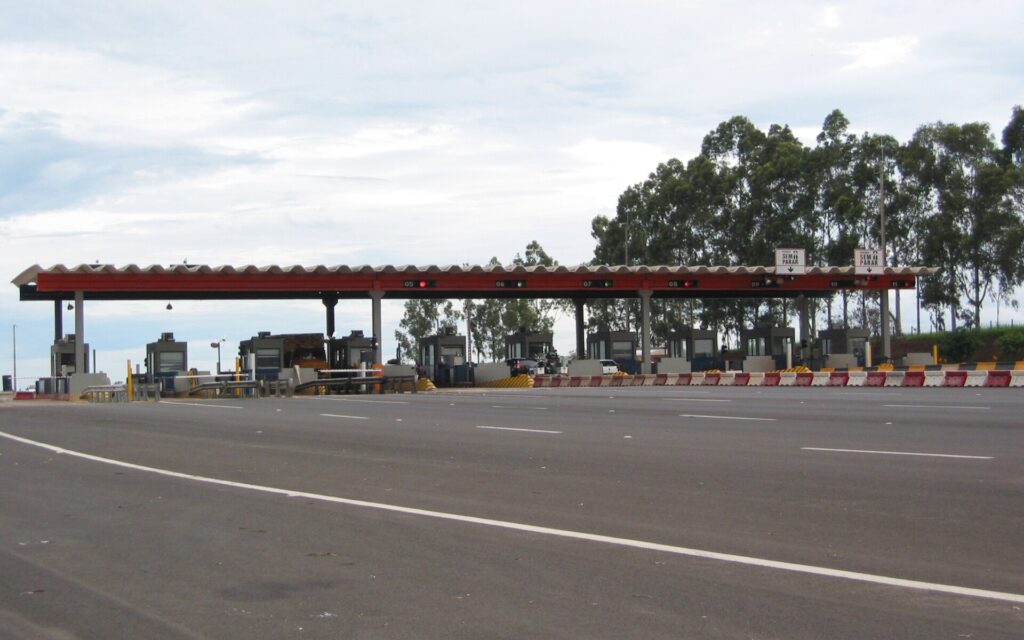
A 74% Profit Drop Despite Steady Tolls
Ecorodovias, based in São Paulo, reported recurring net income of R$52.9 million (about US$10.4 million) for the second quarter of 2026, a 74.1% collapse from the same period a year earlier. The company presented the results at the end of July.
The steep decline did not come from a weak core business. Adjusted net revenue rose about 1% to R$1.836 billion (about US$361 million), and on a comparable basis — stripping out the exited Ecovias Sul concession — revenue climbed 9.8%. Adjusted EBITDA was R$1.348 billion (about US$265 million), with a margin of 73.4%.
In other words, tolls kept flowing and day-to-day operations stayed efficient. The profit hit came from below the operating line: the cost of financing a rapid expansion, plus inflation and the loss of one concession’s contribution.
Where the Money Went: Capex and Concessions
The clearest pressure is capital spending. Ecorodovias invested R$1.5 billion (about US$295 million) in the quarter alone, a 32% jump on the same period of 2025, as it builds out new highway concessions won in recent auctions.
Toll-road concessions front-load their costs: operators must pour money into construction, lane expansion and maintenance long before the traffic and tariff revenue catch up. That timing gap depresses near-term profit even when the long-term contracts are sound.
For an international reader, this is the core trade-off of Brazil’s infrastructure model. Private operators bid for decades-long concessions, take on heavy upfront capital spending and debt, and bank on years of regulated toll income to earn it back.
The Ecovias Sul Exit and the Inflation Drag
Two specific factors amplified the drop. The first is the end of the Ecovias Sul contract, which removed a revenue stream and made the reported figures look softer than the underlying trend. On a comparable basis, EBITDA still rose about 9%.
The second is inflation. Brazil’s construction and operating costs have stayed elevated, and much of Ecorodovias’ expansion is being executed precisely when input prices and interest rates are high, raising the real cost of every kilometer of road built.
Together, these explain how a company with rising comparable revenue can still post a 74% fall in bottom-line profit: the pressure is concentrated in financing and one-off portfolio changes, not in everyday tolling.
Rising Debt and the Cost of Growth
The expansion is being funded with borrowing, and it shows. Net debt rose 18.9% year on year to R$23.4 billion (about US$4.6 billion), and leverage — net debt to adjusted EBITDA over the trailing 12 months — climbed to 4.1 times, from 3.9 times in June 2025.
With Brazil’s benchmark Selic rate at 14.25%, servicing that debt is expensive. Financial costs have risen sharply, and they are the main reason operating strength is not translating into net profit this year. Investors are effectively being asked to look through a period of thin earnings toward the future toll income the new roads will generate.
It is a bet on two things: clean execution of the build-out, and interest rates eventually easing. Neither is guaranteed, which is why leverage above four times EBITDA draws close scrutiny from analysts.
What It Means for the Highway Bet
Ecorodovias is one of the largest toll-road groups in Brazil, and its strategy is a wager that aggressive expansion now will pay off across the long life of its concessions. The second quarter shows the near-term price of that wager.
The company frames the quarter as a transition: exiting one concession, ramping capital spending across the portfolio and carrying higher leverage through a high-rate window. Management points to comparable revenue and EBITDA growth as evidence the underlying business remains healthy.
For foreign investors watching Brazilian infrastructure, Ecorodovias is a test case of whether the concession model can absorb a heavy build-out during a period of costly money without straining balance sheets too far.
Frequently Asked Questions
How much did Ecorodovias’ profit fall in Q2 2026?
Ecorodovias reported recurring net income of R$52.9 million (about US$10.4 million) in the second quarter of 2026, down 74.1% from a year earlier, even though adjusted net revenue rose about 1%.
Why did Ecorodovias’ profit drop so sharply?
The fall was driven by a heavy investment cycle in new concessions, high financing costs amid Brazil’s 14.25% Selic rate, persistent inflation and the end of the Ecovias Sul contract, rather than by weak toll traffic.
How much is Ecorodovias investing and borrowing?
The company invested R$1.5 billion (about US$295 million) in the quarter, up 32% year on year, while net debt rose 18.9% to R$23.4 billion (about US$4.6 billion), lifting leverage to 4.1 times EBITDA.
Sources
Connected Coverage
More on Brazil’s toll roads and infrastructure concessions.
Brazil’s EcoRodovias Posts 17% Profit Jump as R$53B Highway Bet Gains Traction
Sources: ADVFN, InfoMoney, Guia do Investidor, Investing.com.
This article was produced by The Rio Times’ automated newsroom system. How we use AI · Report an error
LatAm Markets: Live Signals → — real-time movers, turnover leaders and FX across Latin America.
Read More from The Rio Times