Nubank Acquisition Seals Bank License Amid BofA Doubts
Brazil · Companies
Key Facts
—Deal announced. Brazil’s Nubank agreed to buy Banco Porto Real de Investimentos on July 20, 2026.
—Regulatory driver. The purchase secures a full banking license required under Brazil’s Joint Resolution No. 17.
—Target size. Banco Porto Real held R$32.1 million (US$6.3 million) in assets as of March 2026.
—Deal value. The acquisition price was not disclosed by either party.
—BofA downgrade. No public source confirms a Bank of America downgrade or a CFO departure at Nubank.
Nubank acquisition of a small Brazilian bank secures its full banking license, but separate market rumors of a Bank of America downgrade after a CFO exit remain unsubstantiated.
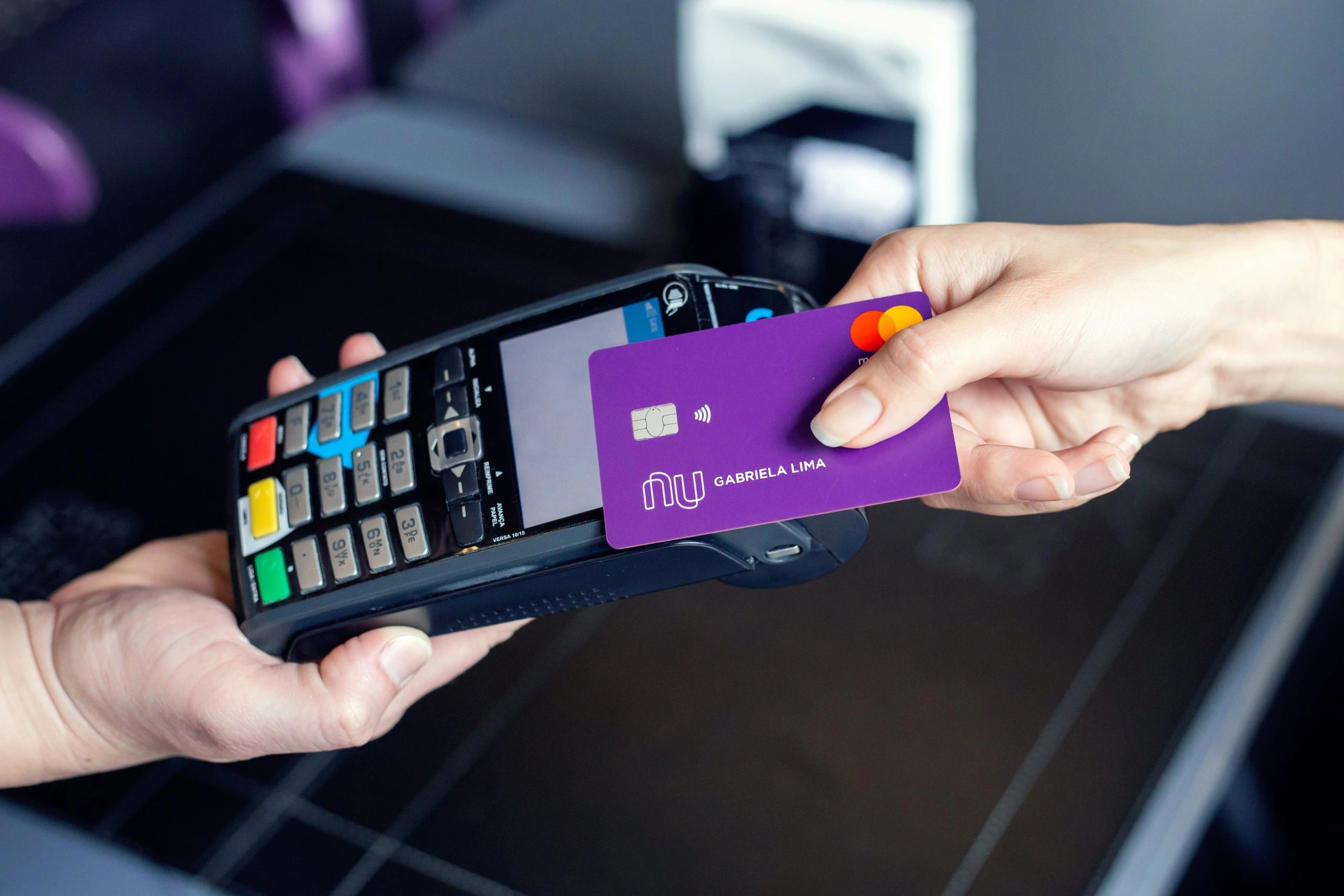
Why the Nubank Acquisition Matters
Brazilian digital lender Nubank announced on July 20, 2026, that it will acquire 100% of Banco Porto Real de Investimentos. The tiny, Rio de Janeiro-based bank was founded in 1992 and has operated quietly for decades.
The deal is a direct response to Joint Resolution No. 17, issued by Brazil’s Central Bank and the National Monetary Council in November 2025. Without a specific banking license, Nubank would have to drop the word “bank” from its name by November 2026, a costly branding blow for Latin America’s largest fintech.
For context, Brazil’s financial system draws a sharp line between payment institutions and full commercial banks. A payment institution can issue cards and hold deposits, but it cannot call itself a bank or offer the full suite of credit products that a licensed bank can.
That distinction matters enormously for consumer trust in a market where the word “bank” carries a specific legal meaning and a long history of regulatory protection.
A Small Target with a Big Purpose
Banco Porto Real is a miniature institution by any measure. As of March 2026, it reported R$32.1 million in assets (US$6.3 million) and R$31.4 million in net equity (US$6.2 million), making it a tiny fraction of Nubank’s own balance sheet.
Just before the deal, shareholders increased the bank’s capital to R$29 million (US$5.7 million) through reserve incorporation, a common pre-sale cleanup. The acquisition price was not disclosed and remains pending approval from Brazil’s Central Bank, which must greenlight all such financial-sector mergers.
This type of transaction is sometimes called a “license acquisition” rather than a traditional merger. The buyer is not after the target’s loan book or branch network; it is after the legal charter that allows the target to operate as a bank.
For Nubank, the prize is the banking license itself, not the modest asset base that comes with it.
Live Company IntelligenceNu Holdings Ltd — the full investor dossier
Wall Street view
Valuation & profitability
Price & risk
$11.2052-wk high
$18.98
Revenue trend · 6y
Ownership
Dividend
No Disruption for Users
Nubank stated the transaction will not change its app, products, or services for its 114.7 million Brazilian customers. The company also emphasized that the deal imposes no additional capital or liquidity requirements, a key reassurance for investors watching its balance sheet.
This keeps Nubank’s financial solidity intact while it checks a critical regulatory box. The lender can continue using its globally recognized brand name without interruption, avoiding a confusing rebrand that could unsettle users and partners across its markets.
In plain terms, the Central Bank is not asking Nubank to raise more money or hold extra reserves because of this purchase. The regulator simply wants the right legal structure behind the name.
That is why the deal is structured as a clean acquisition of a dormant charter rather than a complex operational merger.
Unconfirmed Reports of a Downgrade and CFO Exit
Despite market chatter, no public source confirms that Bank of America downgraded Nubank. There is also no verified report of a CFO departure as of July 21, 2026, leaving the rumors floating without anchor.
One unrelated leadership move occurred on July 15, when Nubank appointed Livia Chanes as CEO for Latin America. That appointment is not tied to any downgrade or CFO exit, though it may have been misread in fast-moving social-media discussions.
It is worth understanding how such rumors can take shape. When a high-profile company makes a regulatory-driven acquisition, markets often scan for other signals—analyst notes, executive moves, or filing updates—that might suggest deeper trouble.
In this case, the leadership announcement and the acquisition landed close together, creating fertile ground for speculation even though the two events are unrelated.
Background: Brazil’s New Banking Name Rules
Joint Resolution No. 17, published in November 2025, tightened the rules around which financial institutions can use the word “bank” in their corporate names. The regulation aims to protect consumers by ensuring only fully licensed banks present themselves as such.
For Nubank, which built its brand around the word “bank,” compliance became urgent. The company had until November 2026 to secure a proper license or face a forced name change, a deadline that explains the swift, surgical acquisition of Banco Porto Real.
Brazil’s regulators have grown increasingly attentive to the blurring line between fintechs and traditional banks. As digital platforms expanded rapidly, the Central Bank moved to clarify who can use banking terminology, partly to avoid consumer confusion and partly to ensure that deposit-taking institutions meet the same prudential standards.
Joint Resolution No 17 is the clearest expression yet of that effort.
What It Means for Expats and Investors
For foreign residents and investors in Brazil, the Nubank acquisition signals regulatory maturity and a commitment to long-term stability. A licensed bank faces stricter oversight, which can boost confidence in the institution’s resilience.
The deal also shows how Brazil’s regulatory environment can force even giant fintechs to acquire tiny legacy players. Investors should watch for Central Bank approval, which could set a precedent for other digital lenders navigating the same naming rules.
For foreigners, Nubank is one of the world’s largest digital banks, with most of its 100-million-plus customers in Brazil. A full banking licence lets it keep the ‘bank’ brand and expand regulated services.
Looking ahead, several open questions remain. Will the Central Bank attach any conditions to its approval, such as additional governance requirements?
Could other large fintechs follow Nubank’s path and acquire small legacy charters of their own? And will the unconfirmed downgrade rumors fade once the regulatory process concludes, or do they point to broader market jitters that merit closer attention?
None of these questions have answers yet, but they will shape how this story develops in the months ahead.
More: Brazil news in English, every day from The Rio Times.
Frequently Asked Questions
Why did Nubank buy such a small bank?
To obtain a full banking license. New Brazilian rules under Joint Resolution No 17 require a specific license to keep using the word “bank” in its name.
Without the deal, Nubank would have faced a forced rebrand by November 2026, risking its hard-won brand recognition across Latin America.
Did Bank of America downgrade Nubank after a CFO left?
No. As of the latest available information on July 21, 2026, there is no public confirmation of either event occurring. The rumors appear unsubstantiated, and a separate leadership appointment on July 15 may have fueled the confusion in social-media circles.
Will Nubank customers see any changes?
No. The company says the acquisition will not affect its app, products, services, or user experience. The 114.7 million Brazilian customers should notice no difference, and no additional capital or liquidity requirements are imposed by the deal, preserving the fintech’s financial solidity.
Connected Coverage
Sources: Nubank; Banco Porto Real de Investimentos; Brazil's Central Bank.
This article was produced by The Rio Times’ automated newsroom system. How we use AI · Report an error · Editorial responsibility: Matthias Camenzind, Editor-in-Chief
LatAm Markets: Live Signals → — real-time movers, turnover leaders and FX across Latin America.