Nigerian Stock Turnover Jumps as the Market Falls 1.2%
Nigeria · MARKETS
Key Facts
—Nigerian stock turnover: N176.058 billion, about US$129 million at N1,364.83 per dollar on 14 August 2026, up 26.6 percent.
—Trading volume: 12.153 billion shares changed hands, a jump of 126.8 percent from the prior week’s 5.359 billion shares.
—Transactions: 224,146 deals were recorded, down 14.4 percent from 261,869 the previous week.
—Market direction: The All-Share Index fell 1.20 percent to 242,619.20 points in a five-session selloff.
—Sector leadership: Financial services shares were 92.25% of volume, 50.55% of value; ICT ranked second.
—Policy rate: CBN cut rate to 26.5% in Feb 2026, from peak 27.50% in Nov 2024 after six hikes.
Turnover rose 26.6 percent to N176.058 billion, about US$129 million at N1,364.83 per dollar on 14 August 2026. Three insurance stocks were 78.07 percent of shares traded in the week ended 14 August.
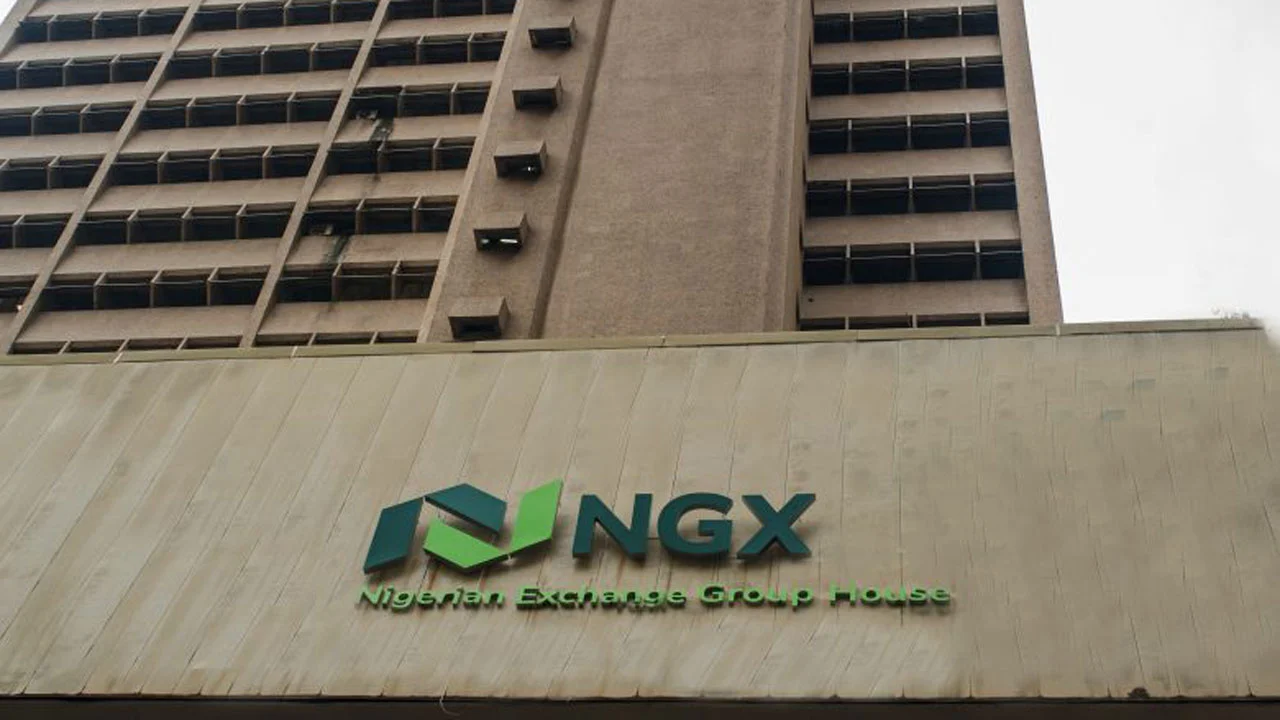
What drove Nigerian stock turnover higher
Investors traded 12.153 billion shares in 224,146 transactions on the Nigerian Exchange during the week ended 14 August 2026. That volume was up 126.8 percent from the prior week’s 5.359 billion shares.
Turnover rose 26.6 percent from N139.053 billion, about US$101.9 million at N1,364.83 per dollar on 14 August 2026. Financial services shares carried 92.25 percent of volume and 50.55 percent of value.
The All-Share Index fell 1.20 percent to 242,619.20 points, a fifth straight session of selling. Investors lost N3.8 trillion, about US$2.78 billion at N1,364.83 per dollar on 14 August 2026.
Three insurance stocks did the work
The week followed a record. Market value reached N160.4 trillion on 11 August before the selloff began.
Deal count is the tell. It fell 14.4 percent even as share volume jumped 126.8 percent, so fewer, larger trades moved the tape.
Fortis Global Insurance, Cornerstone Insurance and Consolidated Hallmark Holdings traded 9.488 billion shares. That was 78.07 percent of volume but only 20.57 percent of value.
One Cornerstone Insurance trade on 14 August moved 3.637 billion shares worth N18.37 billion. That is about US$13.5 million at N1,364.83 per dollar on 14 August 2026.
Analysts link the churn in insurance shares to Nigeria’s insurance recapitalisation. Information and communication technology supplied N51.605 billion of turnover from just 246 million shares.
The volume came from penny insurers and the value came from large telecoms. A whole week of trading was about US$129 million against a market worth about US$114.8 billion.
What the Nigerian stock surge was made of
The All-Share Index was up 55.91 percent for the year by 14 August 2026. It closed the week at 242,619.20 points, down 1.20 percent.
Market value closed the week at N159.26 trillion, down 1.19 percent, after a record N160.4 trillion on 11 August. That equals about US$116.7 billion at N1,364.83 per dollar on 14 August 2026.
The Central Bank of Nigeria raised its policy rate to 27.50 percent on 26 November 2024. It has since cut the rate to 26.5 percent in February 2026, and held that rate in May and July 2026.
Who gains and who loses from the re-rating cycle
The Central Bank of Nigeria cited Middle East hostilities when it held rates in July 2026. Governor Olayemi Cardoso said the committee noted “their likely impact on global energy prices and the potential pass-through to domestic inflation.”
The great-power and oil angle for Nigerian stock turnover
Nigeria’s fiscal and external balances still depend heavily on hydrocarbon revenues. Middle East conflict risk can affect global crude prices and therefore Nigeria’s dollar inflows.
Global fragmentation and strategic competition are now part of the background noise shaping Nigeria’s access to capital, trade terms, and commodity pricing. That dynamic connects directly to the broader story covered in Africa: The New Scramble.
Regional read-through for Western Africa
Nigeria remains the anchor economy for Western Africa. Its stock market performance influences investor sentiment across the region, from Ghana to Côte d’Ivoire.
What to watch next in Nigerian equities
The key test is whether the turnover surge continues without a deeper price correction. A sustained rise in both volume and value would confirm that the re-rating cycle has broader foundations.
Investors should watch the Central Bank of Nigeria’s next policy decision for any signal on rates. A further cut could send more money into shares.
A hold would keep government bonds competitive.
Global oil prices and United States Federal Reserve policy will also shape the outlook. Nigeria’s market remains highly exposed to the dollar, interest-rate, and crude cycles that dominate emerging-market flows.
Frequently Asked Questions
How much did Nigerian stock turnover rise in the week ended 14 August 2026?
Turnover rose 26.6 percent to N176.058 billion, about US$129 million at N1,364.83 per dollar on 14 August 2026. Investors traded 12.153 billion shares in 224,146 deals, down 14.4 percent by deal count.
Did the Nigerian stock market rise or fall that week?
The All-Share Index fell 1.20 percent to 242,619.20 points in the week ended 14 August 2026. Volume still jumped 126.8 percent, driven mainly by three insurance stocks.
What is the Central Bank of Nigeria’s policy rate?
The Central Bank of Nigeria cut its policy rate to 26.5 percent in February 2026. The rate had peaked at 27.50 percent in November 2024 after six increases that year.
Connected Coverage
For more on how global fragmentation and strategic competition are reshaping African markets, read Africa: The New Scramble.
Sources
This article was produced by The Rio Times’ automated newsroom system. How we use AI · Report an error
Read More from The Rio Times