Musk’s DODGE Secures Unprecedented Access to $6 Trillion U.S. Payment System
Treasury Secretary Scott Bessent granted Elon Musk’s Department of Government Efficiency (DOGE) direct oversight of federal payment systems on February 1, 2025, shifting control of a $6 trillion annual financial network.
The system manages Social Security, Medicare, and tax refunds for 70 million Americans, processing 1 billion transactions yearly. Career official David Lebryk retired abruptly after resisting the move, ending his three-decade tenure.
Musk’s DOGE team, vetted as Treasury employees, now monitors transactions under Trump’s mandate to slash federal spending. Advocates hail the move as a strike against bureaucratic inefficiency, arguing centralized oversight prevents waste.
Critics, including Senator Ron Wyden, warn it risks politicizing payments to contractors and programs—some competing with Musk’s businesses. The Treasury’s existing “Do Not Pay” system blocked $155 million in improper payments last year, raising questions about DOGE’s motives.
Legal experts predict challenges if Musk’s team halts congressionally approved funds. Supporters counter that transparency forces accountability, aligning with Musk’s pledge to cut $2 trillion in spending.
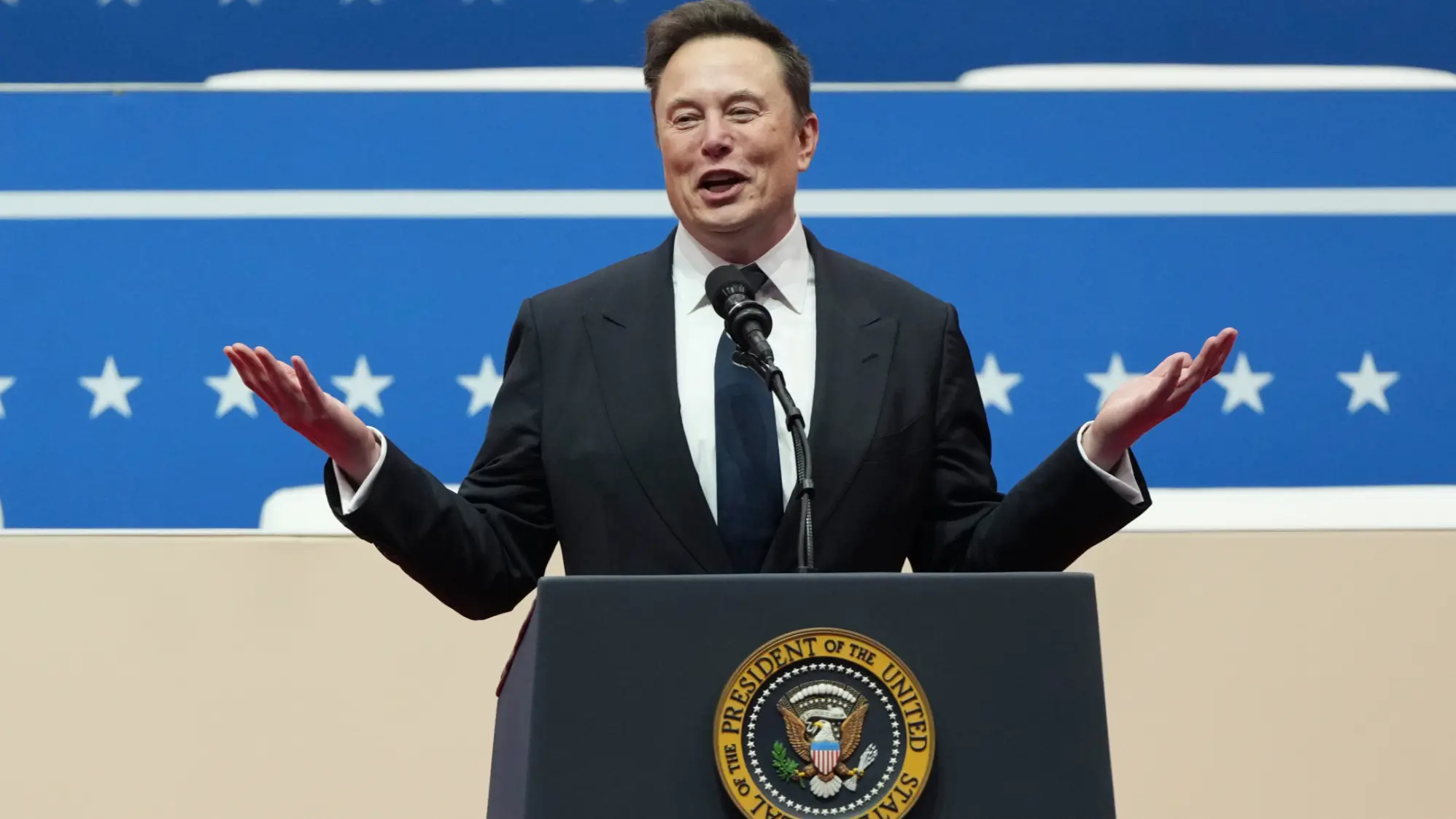
DOGE’s expansion reflects Trump’s push to privatize federal functions, recruiting Silicon Valley executives like Tom Krause to embed cost-cutting measures.
Watchdogs note DOGE operates without financial disclosures, sparking accountability concerns. Federal unions brace for layoffs, while libertarian groups defend reforms as necessary to curb deficits.
The shift grants Musk leverage over fiscal policy, testing libertarian ideals against institutional safeguards. With legal battles looming, the outcome could redefine government accountability—and how taxpayer dollars flow.
This article was produced by The Rio Times’ automated newsroom system. How we use AI · Report an error · Editorial responsibility: Matthias Camenzind, Editor-in-Chief