U.S. Manufacturing Rebounds After 26-Month Slump as Tariffs Reshape Global Trade
(Analysis) The U.S. manufacturing sector ended a 26-month contraction in January 2025, as the ISM’s PMI rose to 50.9, fueled by surging new orders (55.1) and production (52.5).
Factory employment expanded for the first time since May 2024, signaling cautious optimism. This growth aligns with President Trump’s 25% tariffs on $106 billion of Canadian and Mexican goods, aimed at reducing foreign supply chain reliance amid rising geopolitical risks.
Policymakers argue global supply chains, long prioritized by multinationals and globalist-leaning groups, now threaten security. Recent conflicts in Ukraine, Taiwan, and the Middle East have intensified concerns over foreign dependencies.
The tariffs target sectors like steel, aluminum, and automotive parts—areas where Canada and Mexico dominate U.S. imports. Auto manufacturers, sourcing 75% of aluminum from Canada, face immediate pressure to pivot.
Critics warn of short-term inflation ($800 annual household costs), but proponents emphasize long-term industrial security. The administration rejects globalization’s vulnerabilities, asserting that globalist forces focus too much on interconnected networks.
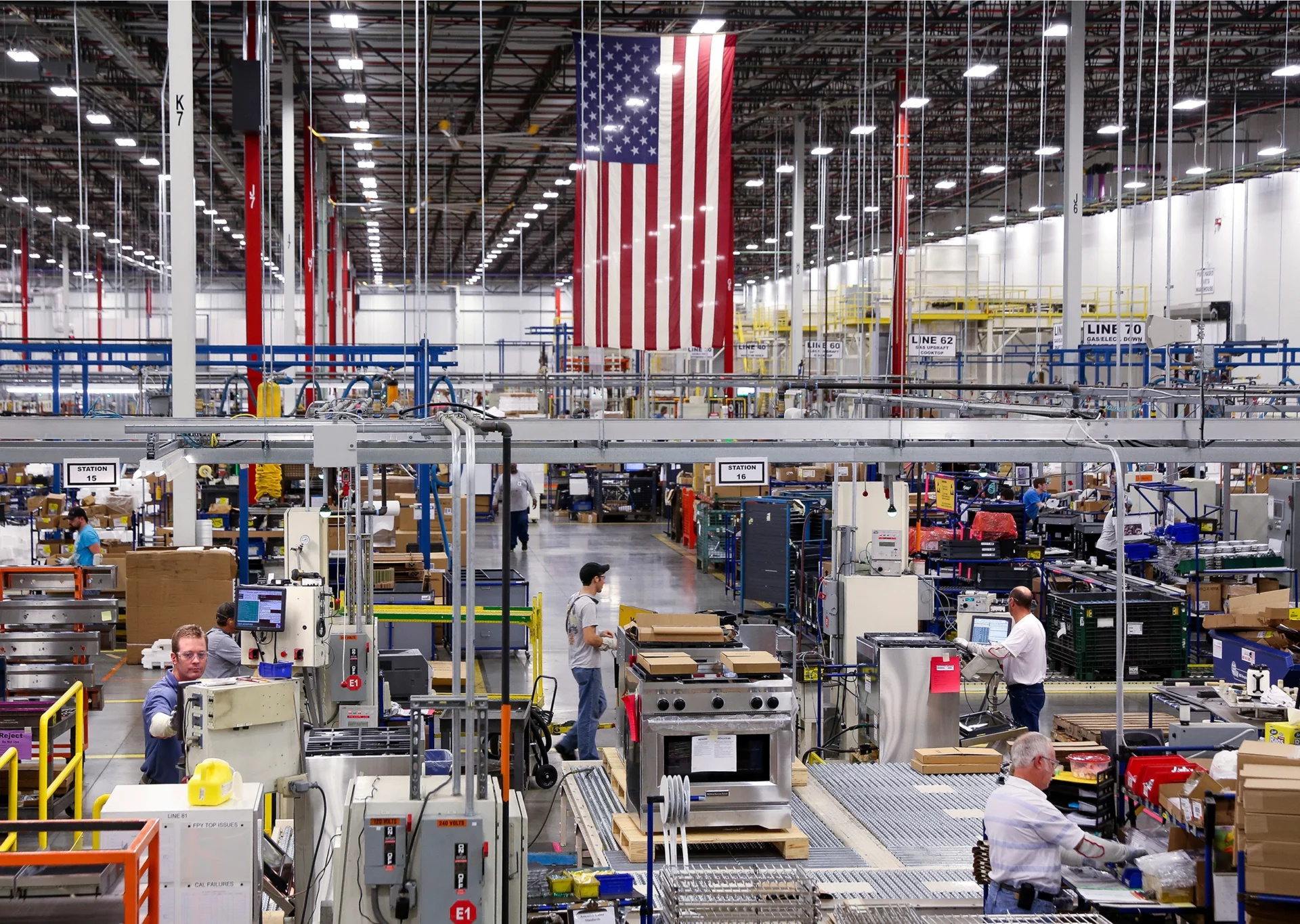
This overlooks modern threats like pandemics and cyberattacks. Tariffs aim to reshore production, reviving domestic capacity. U.S. aluminum smelters (52% capacity pre-tariffs) now see modernization pledges, while Ohio and Pennsylvania steel mills secure new contracts.
U.S. Trade Policy Shifts
The Fed supported this shift: after hiking rates to 5.25% in 2023 to curb inflation, it cut rates by 100 basis points in 2024, enabling factories to fund automation and stockpiling. This eased tariff disruptions while sustaining output.
Canada and Mexico retaliated with tariffs on U.S. lumber and energy restrictions, but officials stress North American trade remains robust. Bilateral trade with Mexico hit $798 billion in 2024, and Canada remains the top U.S. energy partner.
The goal, they argue, is rebalancing—not dismantling—alliances to secure control over critical industries like semiconductors. Results are mixed: factory jobs grew by 23,000 in January, but sectors reliant on cross-border logistics (automotive, electronics) face strain.
S&P Global’s PMI (50.1) signals fragility, while projected 2025 revenue growth (4.2%) and capital spending (5.2%) hint at reshoring confidence. The debate centers on competing resilience visions.
Globalization advocates warn fragmented supply chains isolate innovation; pro-tariff voices insist self-reliance in steel, medicine, and batteries is vital amid weaponized trade. As factories adapt, the world watches whether this recalibration strengthens prosperity—or fractures the system behind it.
This article was produced by The Rio Times’ automated newsroom system. How we use AI · Report an error · Editorial responsibility: Matthias Camenzind, Editor-in-Chief