A Peruvian Miner Bets Up to US$28.9 Million on Copper Near Lima
Peru · Mining
Key Facts
- —What happened Minsur will spend up to US$28.9 million to earn 75% of a Canadian explorer’s copper project north of Lima.
- —How big a jump Drilling 60,000 metres over six years, with option to buy remaining 25% for about US$20.2 million, totalling US$49.1 million.
- —The real story Minsur bets on Huaral porphyry copper-molybdenum to meet rising EV and grid demand.
- —The catch Minsur can walk away after early drilling, losing only money spent, with no obligation to continue.
- —Who it touches Latin Metals retains a 2% royalty on future sales; Huaral residents could see jobs and tax revenue if mining proceeds.
- —What comes next Early drill results will show if the deposit is big and rich enough to mine.
Peruvian miner Minsur will spend up to US$28.9 million to earn a 75% stake in a Canadian explorer’s copper project north of Lima.
Peru’s Minsur has signed an option agreement with Canadian company Latin Metals Inc. over the Lacsha copper project in Huaral, north of Lima. Minsur can earn a 75% stake by spending about US$28.9 million on drilling and cash payments over six years. The deal, announced on 17 August 2026, gives Minsur the right — but not the obligation — to become the majority owner of a copper-molybdenum porphyry deposit that could help feed the world’s growing appetite for copper.
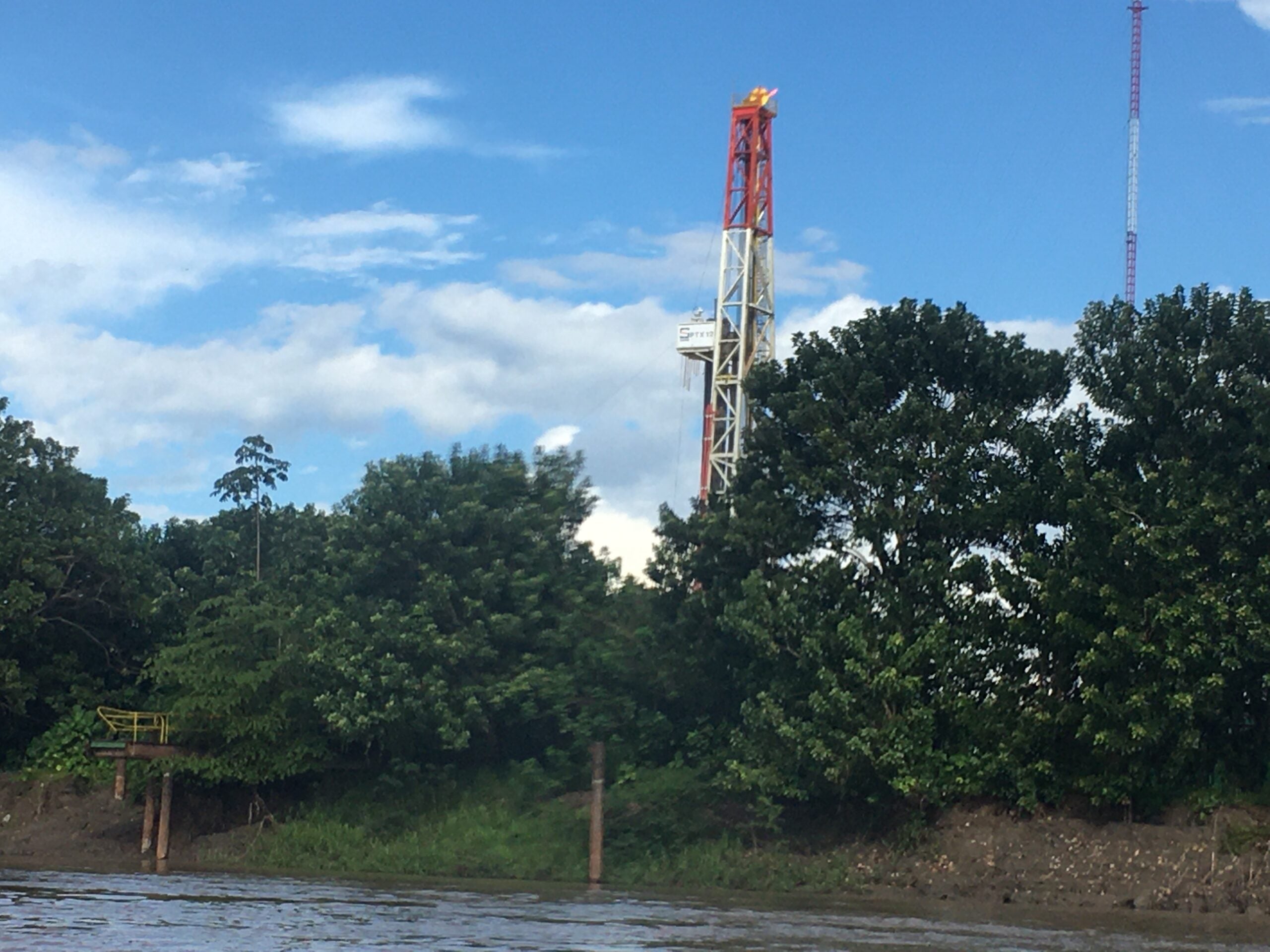
What Minsur gets and pays
Minsur, a Peruvian miner best known for tin, has taken an option on the Lacsha project. Under the deal, Minsur can acquire a 75% stake by completing 60,000 metres of drilling within six years.
That’s a serious amount of drilling — enough to test whether the deposit has the size and grade to support a mine.
It will also pay Latin Metals about US$2.5 million in cash. The entire drilling programme is worth about C$40 million, which is roughly US$28.9 million, and Minsur funds it all.
That means Minsur is putting up every dollar for exploration, while Latin Metals contributes the project and its existing data.
If Minsur meets those commitments, it can buy the remaining 25% for about C$28 million, roughly US$20.2 million. That brings the total potential cost to about US$49.1 million in cash and drilling spend to own 100% of the project, minus the royalty.
Latin Metals would keep a 2% net smelter royalty. That means Latin Metals gets a 2% cut of revenue from anything the mine eventually sells.
Minsur can buy back one percentage point of that royalty for US$20 million within three years, cutting the royalty in half if it wants.
How an option and earn-in deal works
An option and earn-in deal means the buyer spends money on exploration to acquire a stake, rather than paying for it up front. Minsur is not buying the project outright today.
Instead, it’s buying the right to earn a stake by doing the work.
So Minsur will spend on drilling and other work over six years. Only if it completes the work does it earn the 75% stake.
That’s the ‘earn-in’ part — the ownership is earned through investment, not purchased in a single payment.
This structure reduces the initial risk for Minsur. If the project does not look promising after early drilling, Minsur can stop spending and walk away.
The money already spent is lost, but there’s no obligation to keep going.
For Latin Metals, the deal brings in a well-funded partner to advance the project without upfront cash outlay. It also keeps a royalty that could pay off if the mine is developed.
That’s a common arrangement for junior explorers who lack the capital for big drilling programmes.
Why Lacsha matters for copper
Lacsha is a porphyry copper and molybdenum deposit. Porphyry deposits are low-grade but very large, and they supply most of the world’s copper.
That might sound odd — low-grade means the rock contains less copper per tonne — but the sheer size means they can still be mined profitably at scale.
Copper demand is rising for electric vehicles, power grids, and renewable energy systems. The International Energy Agency and others have pointed to looming copper shortages unless new mines come online.
A new source of copper in Peru, a top producer, could help meet that demand.
Molybdenum is often found with copper in porphyry deposits. It is used to strengthen steel and in high-temperature alloys, including those in jet engines and oil-drilling equipment.
That adds another revenue stream to the project if it advances.
The project is located in Huaral, a region north of Lima. That proximity to the capital could lower infrastructure costs, such as roads and power, if the mine is developed.
It also means access to a skilled workforce and supply chains.
What to watch next
The key risk is time. Minsur has six years to complete 60,000 metres of drilling, which is a large amount of work.
That’s roughly 10,000 metres a year, assuming continuous drilling, and each metre costs money and time.
Drilling will tell whether the deposit is big enough and rich enough to be worth mining. Porphyry deposits often need very large scale to be economic.
So the results of early holes will be closely watched by both companies and the market.
If Minsur completes the drilling and pays the cash, it earns 75% and can decide whether to buy the last 25%. That decision would add another US$20.2 million to the cost.
It will depend on the resource estimate and copper prices at the time.
The royalty buyback option means Minsur could pay US$20 million within three years to reduce Latin Metals’ share of future revenue. That is a separate decision from the earn-in.
Watch for whether Minsur exercises that option if the project looks promising.
Impact for Latin America investors and residents
Peru is a major copper exporter, and this deal shows continued investment in its mining sector. For investors, it points to long-term confidence in copper demand, especially as the world electrifies.
Copper is the metal of the energy transition, and Peru sits on some of the world’s richest deposits.
Minsur is taking on the full cost of exploration, which shows it sees value in the region. That’s a vote of confidence from a company with decades of experience in Peruvian mining.
If the project advances, it could create jobs and tax revenue for Peru, boosting local economies.
Copper prices are not given in the research, but global trends point to demand growth. A new mine in Peru could take years to build, so today’s deal is early stage.
But the fact that Minsur is spending tens of millions suggests it believes the project has real potential to feed that demand.
For residents, mining development can bring both economic benefits and environmental concerns. Local communities will likely watch the drilling results closely, as they will determine whether the project moves from exploration to potential mine development.
Early engagement and transparency from Minsur will be key to maintaining social license.
More: Brazil news in English, every day from The Rio Times.
Frequently Asked Questions
What is the Lacsha project?
Lacsha is a copper-molybdenum porphyry project in Huaral, north of Lima, Peru. A porphyry is a low-grade, very large copper deposit that supplies most of the world’s copper.
How much will Minsur spend to earn its stake?
Minsur will spend about US$28.9 million on drilling and cash payments over six years to earn 75% of the project. It can buy the remaining 25% for about US$20.2 million later.
Why is this deal structured as an option?
An option lets Minsur spend money on exploration first, and only acquire the stake if it completes the work. This reduces the initial risk for Minsur.
What does Latin Metals keep in the deal?
Latin Metals keeps a 2% net smelter royalty, meaning it gets a 2% cut of revenue from anything the mine sells. Minsur can buy back one percentage point for US$20 million within three years.
Connected Coverage
Peru’s Mining Boom: Investment Up 42.7%, Not 74%
Keiko Fujimori Government Starts Strong: 60% Approval, Pro-Market Team
Peru Mining Lobby Presses Government to Fast-Track Tía María
Sources: rumbominero.com; gestion.pe; larepublica.co; emol.com; news.metal.com
This article was produced by The Rio Times’ automated newsroom system. How we use AI · Report an error · Editorial responsibility: Matthias Camenzind, Editor-in-Chief