Mexico Overtakes Rivals as the U.S. Auto Industry’s Key Supplier
Mexico has become the main supplier of cars and auto parts to the United States, based on official data from 2025.
In the first half of the year, Mexican factories provided nearly 40% of all U.S. vehicle imports, shipping over $85 billion worth of vehicles, engines, and essential parts north.
Even though overall exports dropped a little, Mexico’s slice of America’s car market kept growing—a trend in place for years. This follows a big change in U.S. trade policy.
In March 2025, the United States imposed a 25% tariff on most imported cars and parts. However, under trade agreements like the USMCA, most Mexican-made autos face lower tariffs.
That advantage helped Mexico keep selling to U.S. buyers while rivals like Japan, Korea, and Germany saw much sharper declines—South Korea, for example, sent 14% fewer vehicles compared to last year.
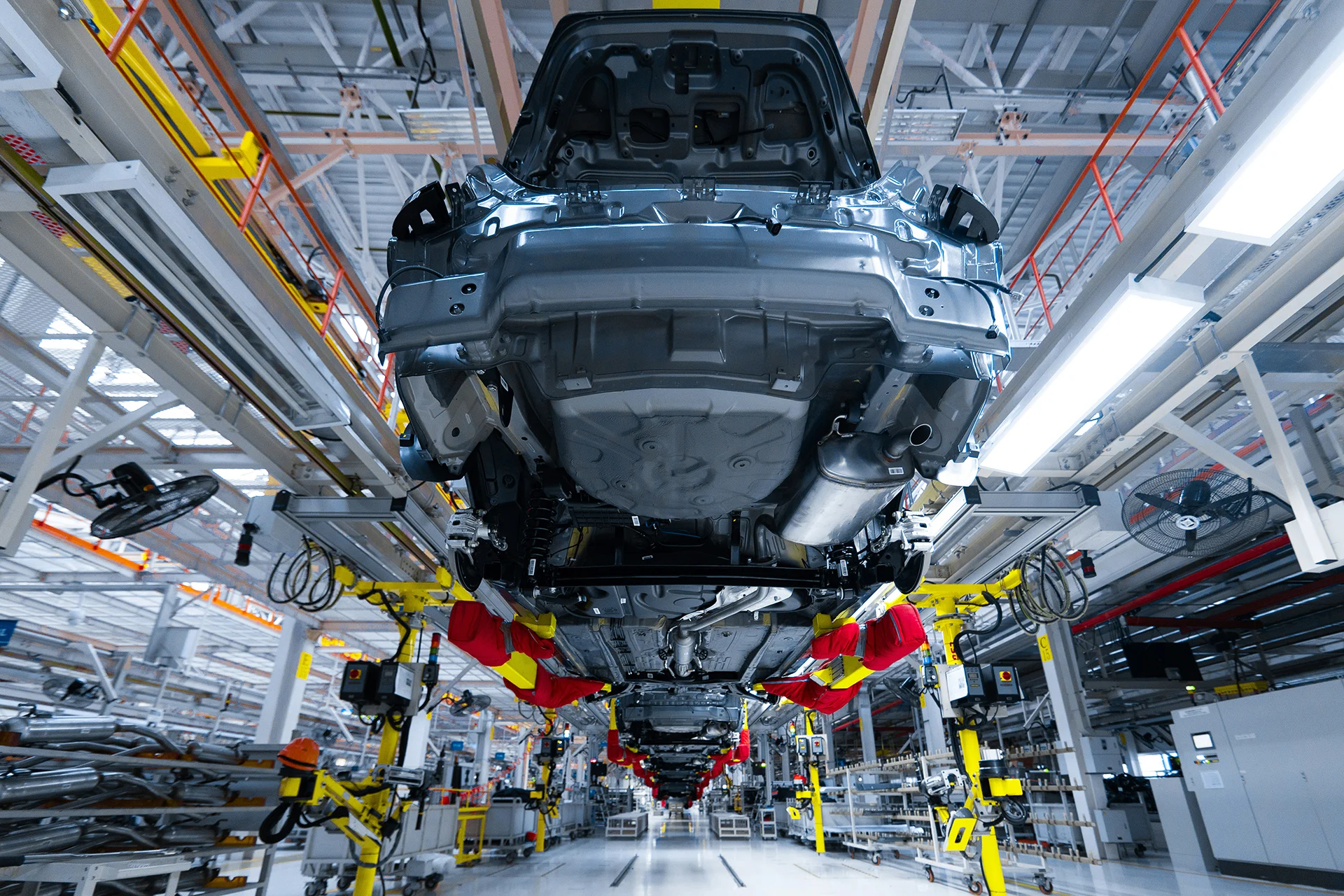
The story behind these numbers is all about how closely Mexico’s car industry and the U.S. market are tied. Many vehicles on American roads—from family SUVs to work trucks—are built from Mexican-made engines, electronics, and safety systems.
Parts often cross the border several times before the car rolls out of the factory. Executives at automakers like Ford and GM point out that sourcing from Mexico means lower production costs.
It also provides more stable supplies, especially with global shipping still unpredictable. This arrangement also helps keep new cars more affordable for American families, important at a time when prices for many things are rising.
But this close integration has a fragile side. Tariffs, trade fights, or new rules could quickly raise prices or make some car models scarce.
Economists point out that American consumers and workers depend on this system staying steady. Mexican workers’ pay and U.S. car prices now go hand-in-hand.
Mexico’s position as America’s auto workshop relies on rules staying predictable and factories on both sides staying busy. Any disruption would hit car buyers and the thousands of workers whose jobs rely on open trade.
Key Facts
— Deep Dive
— For the complete picture, read our in-depth guide: Mexico Economy 2026: GDP, Peso, Nearshoring, Banxico and Trade
More: Latin America news in English, every day from The Rio Times.
This article was produced by The Rio Times’ automated newsroom system. How we use AI · Report an error · Editorial responsibility: Matthias Camenzind, Editor-in-Chief