Mexico Tames Inflation but Faces Test to Hold Gains in July
On August 7, 2025, Mexico posted its lowest inflation rate in five years. Headline inflation slowed to 3.51% in July, a clear drop from June’s 4.32%. This result signals progress after months of price shocks for households.
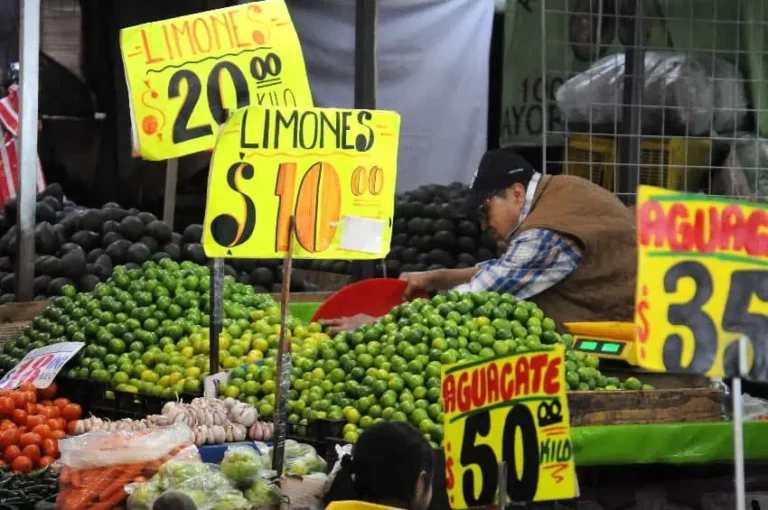
Food, energy, and services now rise more gently, which eases pressure for families. Yet grocery prices stay high, showing not all challenges are cleared.
Core inflation, which leaves out food and energy, hardly changed. It held steady at 4.23%, highlighting that prices for rent and essential services remain sticky. Even as headline inflation improves, these costs test family budgets and planning for businesses.
Turning to industry, the Producer Price Index keeps cooling—up less than 5% over the last twelve months through July. Companies see less volatility in what they pay for raw materials, but some imported goods and logistics costs are still difficult to predict.
The central bank noticed inflation’s progress and cut its main interest rate to 7.75%. This shows rising trust in price stability and aims to help businesses borrow and hire. In the past, the bank cut rates by half-point steps; now, it moves more carefully.
The vote was split—some leaders favor caution in case costs rise again. Bank officials say they may cut again if prices keep falling, but global risks still loom.
Beneath the headlines sits the real story: after battling rapid inflation, Mexico’s economy is steadying. This gives relief to families and allows business leaders to look past daily price jumps.
Still, a cautious tone from the central bank signals that victory is not final. Managers must stay alert as world markets change and imported costs could rise. In this phase of recovery, steadiness is the goal.
The task now is to lock in lower inflation, support jobs at home, and keep the peso stable. For outsiders watching, Mexico’s approach shows the hard work of pulling an economy back from turbulent times—not with one big win, but with careful, steady steps forward.
Key Facts
— Deep Dive
— For the complete picture, read our in-depth guide: Mexico Economy 2026: GDP, Peso, Nearshoring, Banxico and Trade
More: Latin America news in English, every day from The Rio Times.
This article was produced by The Rio Times’ automated newsroom system. How we use AI · Report an error · Editorial responsibility: Matthias Camenzind, Editor-in-Chief
In depth