Mexico’s Car Factories Break Records Despite U.S. Tariffs
Mexico’s car industry just hit a new high. In June 2025, factories exported over 331,000 vehicles—a 14% jump from last year. Production also set a record at 361,000 vehicles, up nearly 5%.
The United States bought 80% of these cars, showing how important the U.S. market is for Mexico. Earlier this year, the U.S. raised tariffs on imported cars to 25%.
Because of a trade deal, Mexican cars with enough North American parts paid only 15%. This lower tariff made Mexican cars cheaper than those from Japan, South Korea, and Germany, which paid the full rate.
General Motors led the way, shipping 72,000 vehicles from Mexico in June, up 56%. Nissan and KIA also increased exports by more than 20%. Toyota’s exports rose 15%, thanks to strong demand for its Tacoma pickup.
Not every company saw gains. Stellantis had to slow production in some factories, which hurt its export numbers. Still, nine out of thirteen major brands exported more cars than last year.
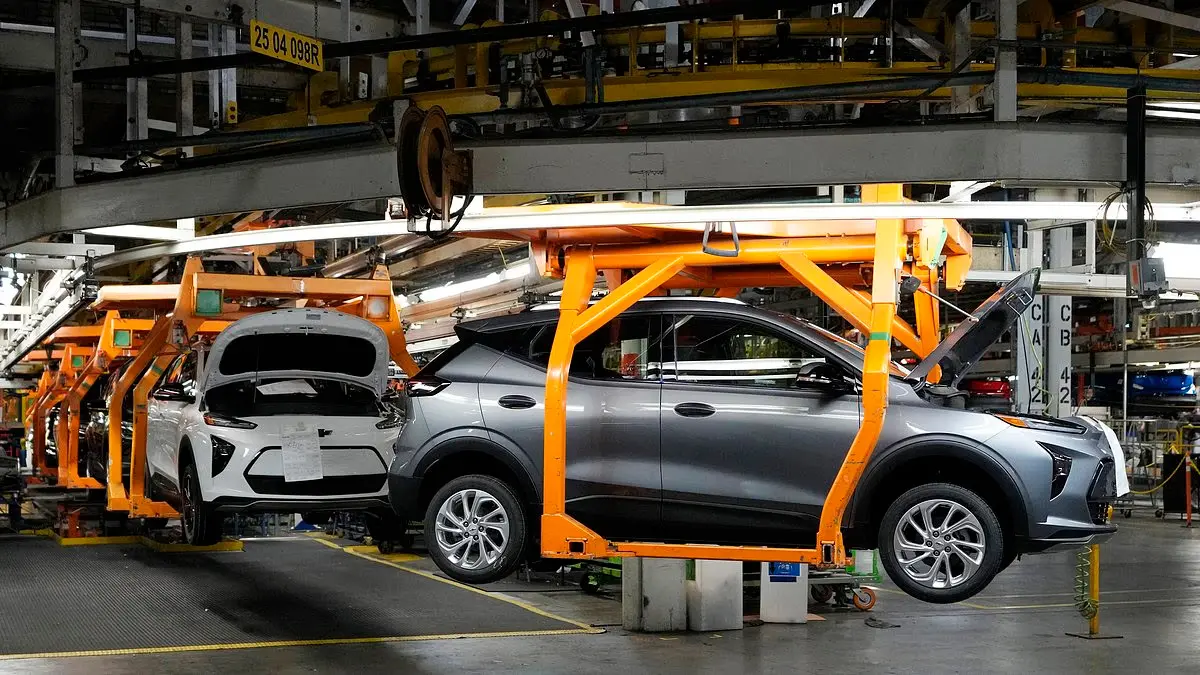
Even with a strong June, total exports for the first half of 2025 dropped almost 3% compared to 2024, reaching 1.67 million vehicles. Production, however, edged up slightly to just over 2 million units.
Mexico’s car industry is a big part of its economy, making up about 4% of its GDP and over 20% of all manufacturing. The sector’s close ties to the U.S. mean that changes in American trade policy quickly affect Mexican jobs and factories.
Electric and hybrid car production is also rising fast. In the first half of 2025, Mexico built almost 118,000 electric and hybrid vehicles—a 71% increase from last year. General Motors, Ford, Toyota, and Stellantis led this growth.
Mexico’s auto industry has proven it can handle tough trade rules and still grow. By quickly adapting to new tariffs and focusing on electric vehicles, Mexico remains a key player in North American car manufacturing.
Key Facts
— Deep Dive
— For the complete picture, read our in-depth guide: Mexico Economy 2026: GDP, Peso, Nearshoring, Banxico and Trade
More: Latin America news in English, every day from The Rio Times.
This article was produced by The Rio Times’ automated newsroom system. How we use AI · Report an error · Editorial responsibility: Matthias Camenzind, Editor-in-Chief
In depth