Mexico Let 540 Foreign Soldiers In During Sheinbaum’s First Year
Defense
Key Facts
—The figure. A report says Mexico admitted about 540 foreign soldiers during President Sheinbaum’s first year.
—The source. The entries were authorised by Mexico’s Senate, as the constitution requires.
—The mix. Most were from the United States, with smaller groups from France and other nations.
—The purpose. The soldiers came for training exercises and cooperation, not combat.
—The context. It comes as Washington pushes a harder line against drug cartels across the region.
—The sensitivity. Foreign troops on Mexican soil is politically charged, given a long history of US intervention.
The presence of foreign troops in Mexico is one of the most sensitive subjects in the country’s politics. A new report puts a number on it, saying about 540 were admitted during President Claudia Sheinbaum’s first year in office.
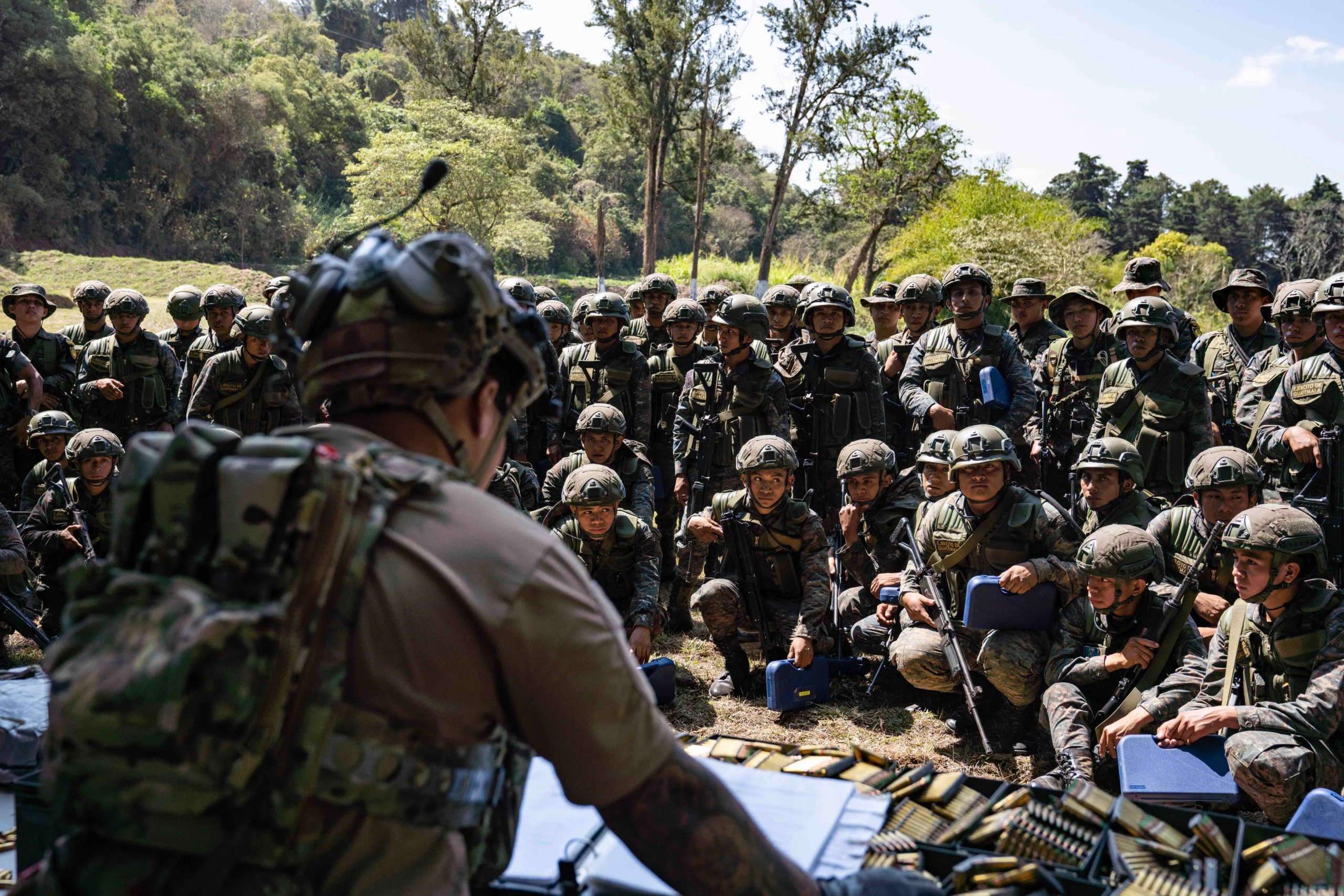
The figure comes from the Mexican magazine Proceso, drawing on Senate authorisations. Under Mexico’s constitution, the Senate must approve any entry of foreign military personnel onto national territory.
For a reader abroad, the raw number matters less than what it signals. It is a small figure in military terms, but a large one in a country famously protective of its sovereignty.
What the foreign troops in Mexico were doing
According to the report, the great majority of the soldiers were from the United States. They took part in joint exercises, specialised courses and training with Mexican forces.
The activities named include amphibious drills and special-operations instruction for the Mexican navy and army. Smaller contingents came from other countries, among them a French group for jungle-operations training.
None of this involves foreign forces conducting operations on their own. The legal framework is cooperation and instruction, with Mexican forces as hosts and partners.
That distinction is the heart of the government’s position. Officials frame these visits as routine training exchanges, the kind many countries run with allies.
The numbers also sit against a longer trend. Reporting suggests the total was spread across many separate authorisations through the year, each debated and voted on rather than waved through in one block.
Some entries were tied to symbolic occasions as much as hard training. One French delegation, for instance, attended a ceremony marking a historic battle alongside its jungle-operations course.
Why the number is politically charged
Mexico’s wariness of foreign soldiers is rooted in history. The country lost half its territory to the United States in the nineteenth century, and that memory still shapes public feeling.
The timing sharpens the debate. Washington has taken an increasingly aggressive posture against Latin American drug cartels, including military strikes on alleged smuggling vessels at sea.
President Sheinbaum has repeatedly rejected any US military operations on Mexican soil, insisting cooperation must respect sovereignty. Her critics watch troop authorisations closely for any sign of drift.
So a routine training figure becomes a political test. The report invites the question of where cooperation ends and dependence begins.
Why it matters beyond Mexico
For investors and outside observers, the story is a gauge of the US-Mexico relationship. That relationship underpins trade, migration policy and security across North America.
A steady flow of joint training points to a working partnership beneath the political noise. A sharp public backlash, by contrast, would signal friction that could spill into other files.
The wider region is watching too. Several governments are weighing how close to align with Washington’s harder security line, and Mexico’s balance is a reference point.
For now the picture is one of managed cooperation. The number is modest, the legal process public, and the political sensitivity very real.
What outsiders should track is the trend, not any single year. A rising count, or any move toward operational roles rather than training, would mark a genuine shift.
Equally telling will be the domestic reaction. How loudly Mexican lawmakers and the public push back is itself a measure of where the country’s red lines now sit.
How many foreign troops in Mexico were recorded?
According to a report by the magazine Proceso, about 540 foreign soldiers were admitted during President Sheinbaum’s first year in office, based on Senate authorisations. Most were from the United States, with smaller groups from other countries.
What were they doing in Mexico?
The report says they took part in training exercises, courses and cooperation with Mexican forces, including amphibious and special-operations drills. Foreign forces were not authorised to conduct independent operations.
Why is this sensitive in Mexico?
Foreign troops on Mexican soil touch a raw nerve, given the country’s history of US intervention and loss of territory. The issue is sharper now that Washington has taken a more aggressive stance against drug cartels in the region.
More: Latin America news in English, every day from The Rio Times.
Frequently Asked Questions
How many foreign soldiers entered Mexico during President Sheinbaum's first year, and who approved their entry?
According to a report by Mexican magazine Proceso, approximately 540 foreign soldiers were admitted during President Claudia Sheinbaum's first year in office. Their entry was authorised by Mexico's Senate, as required under the country's constitution.
Which countries sent troops to Mexico and what were they doing there?
The great majority of the soldiers were from the United States, with smaller contingents from France and other nations. They participated in joint exercises, specialised courses, and training activities including amphibious drills and special-operations instruction for the Mexican navy and army.
Why is the presence of foreign troops such a sensitive issue in Mexico?
Foreign troops on Mexican soil is considered one of the most politically charged subjects in the country due to its long history of US intervention. Although 540 soldiers is a small figure in military terms, it carries significant weight in a country that is famously protective of its sovereignty.
This article was produced by The Rio Times’ automated newsroom system. How we use AI · Report an error
Read More from The Rio Times