Who Sells the Weapons Now: New Arms Players in Latin America
Latin America · Defense Industry · Analysis
Key Facts
The Latin America defense market is no longer a quiet American preserve, as Brazilian, Chinese and Gulf arms makers crowd in to sell jets, radars and drones across the region.
For decades, selling weapons in Latin America meant selling American or European. That settled picture is breaking up, and the clearest sign is who just bought a seat at the table.
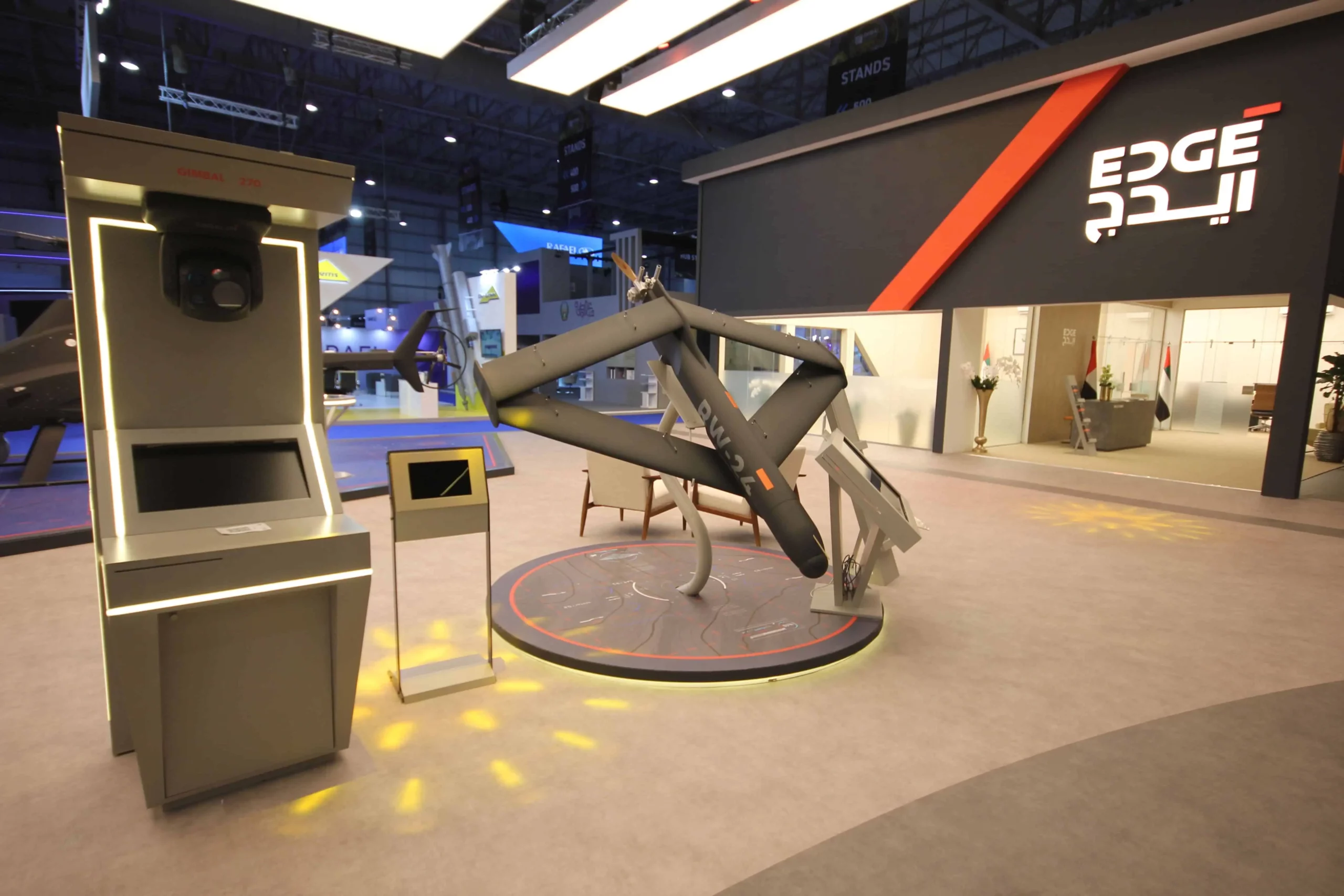
A defense group from the United Arab Emirates, EDGE, has spent about 500 million dollars buying into Brazilian arms firms. It now talks openly of building “a new Embraer” on Brazilian soil.
How the Latin America defense market split open
EDGE’s strategy is not to ship finished weapons but to own the factories. It took majority or half stakes in SIATT, a missile maker, and Condor, a non-lethal security firm.
The Abu Dhabi group opened its first overseas office in Brazil and has signed deals with the country’s Navy, Marine Corps and Army. Producing inside Brazil lets it sidestep some export limits other suppliers face.
That is the new layer on top of an already busy field. The region’s buyers are replacing Cold-War-era kit, and the sellers are lining up to win the contracts.
Much of the demand is framed around fighting drug trafficking and guarding borders, not war between states. That favors radars, drones and patrol craft as much as front-line fighter jets.
The four blocs competing
The United States remains the heavyweight. Lockheed Martin just won Peru’s roughly 3.5-billion-dollar order for two dozen F-16 jets, and Washington leans hard on partners to buy American.
Brazil is the home-grown contender. Its planemaker Embraer is pitching the C-390 transport aircraft to Colombia and Chile, hoping to land its first Latin American export of the type.
China is the wildcard, and the most overstated. Its state arms maker Norinco showed off missiles and drones at a big Rio defense fair and sold surveillance drones to Peru.
But Beijing’s government-to-government sales in the region stay thin, concentrated in Venezuela and Bolivia. Analysts also flag worries that Chinese drones tied to its BeiDou navigation system could leak sensitive data.
Then there is the Gulf, the genuine newcomer. EDGE’s buy-the-factory model gives it a foothold that pure exporters lack, and it is reportedly eyeing further Brazilian targets.
Why the seller matters as much as the sale
For buyers, the choice of supplier is never just about price. A fighter or radar deal can bind a country to one nation’s spare parts, software and training for thirty years.
That is why Washington frames these sales as strategy, not commerce. Keeping Chinese systems out of allied militaries is an explicit US goal across the hemisphere.
For the sellers, a single win can open a long pipeline of upgrades and follow-on orders. That is the prize Embraer and EDGE are chasing as hard as the headline contract itself.
For an investor or analyst abroad, the takeaway is simple. The contest over who arms Latin America is now a four-way race, and the lines of dependency it draws will outlast any one deal.
There is a financing twist that helps the newcomers. Several governments are short of cash, so a supplier offering local production, technology transfer or co-investment can edge out a rival with a cheaper sticker price.
That is exactly the gap the Gulf is filling. EDGE arrives with capital rather than just a catalogue, and in a budget-strapped region that is often the more persuasive offer.
Who competes in the Latin America defense market?
Four blocs now compete: the United States through Lockheed Martin, Brazil through Embraer, China through state maker Norinco, and the Gulf through the UAE’s EDGE Group. The US still anchors the biggest fighter deals, while EDGE is the most aggressive newcomer.
What is EDGE doing in the Latin America defense market?
The UAE group has spent around $500m buying stakes in Brazilian firms SIATT and Condor and opened its first overseas office in Brazil. Rather than export finished weapons, it produces inside the region, which helps it sidestep some export limits.
How big is China’s role?
Smaller than it appears. China’s Norinco markets cheap drones and missiles and has sold to Peru, but its government sales in the region remain concentrated in Venezuela and Bolivia, with analysts warning of data-security risks.
Frequently Asked Questions
What is the EDGE Group and what has it done in Latin America?
EDGE is a defense group from the United Arab Emirates that has spent approximately 500 million dollars buying into Brazilian arms firms. Rather than shipping finished weapons, its strategy is to own the factories, having taken majority or half stakes in SIATT, a missile maker, and Condor, a non-lethal security firm. EDGE has also opened its first overseas office in Brazil and signed deals with the country's Navy, Marine Corps and Army.
Why does it matter who sells defense hardware in Latin America?
According to the article, who sells the hardware shapes alliances, data access and dependency for years. Latin America was long considered a quiet American preserve, but Brazilian, Chinese and Gulf arms makers are now crowding in to sell jets, radars and drones across the region, breaking up the previously settled picture.
What role does China's Norinco play in the Latin America defense market?
Norinco is described as a wildcard that courts buyers with cheap drones, though it currently sells little to the region's governments. Its presence nonetheless contributes to Latin America becoming a contested market, with arms sellers from four competing blocs now active in the region.
Connected Coverage
UAE’s EDGE Pours $500M Into Brazil’s Defense Industry
Brazil’s Defense Export Boom Signals a New Industrial Ambition
This article was produced by The Rio Times’ automated newsroom system. How we use AI · Report an error · Editorial responsibility: Matthias Camenzind, Editor-in-Chief
Read More from The Rio Times