Mexico Border Drones Were Smugglers’, Defence Chief Says
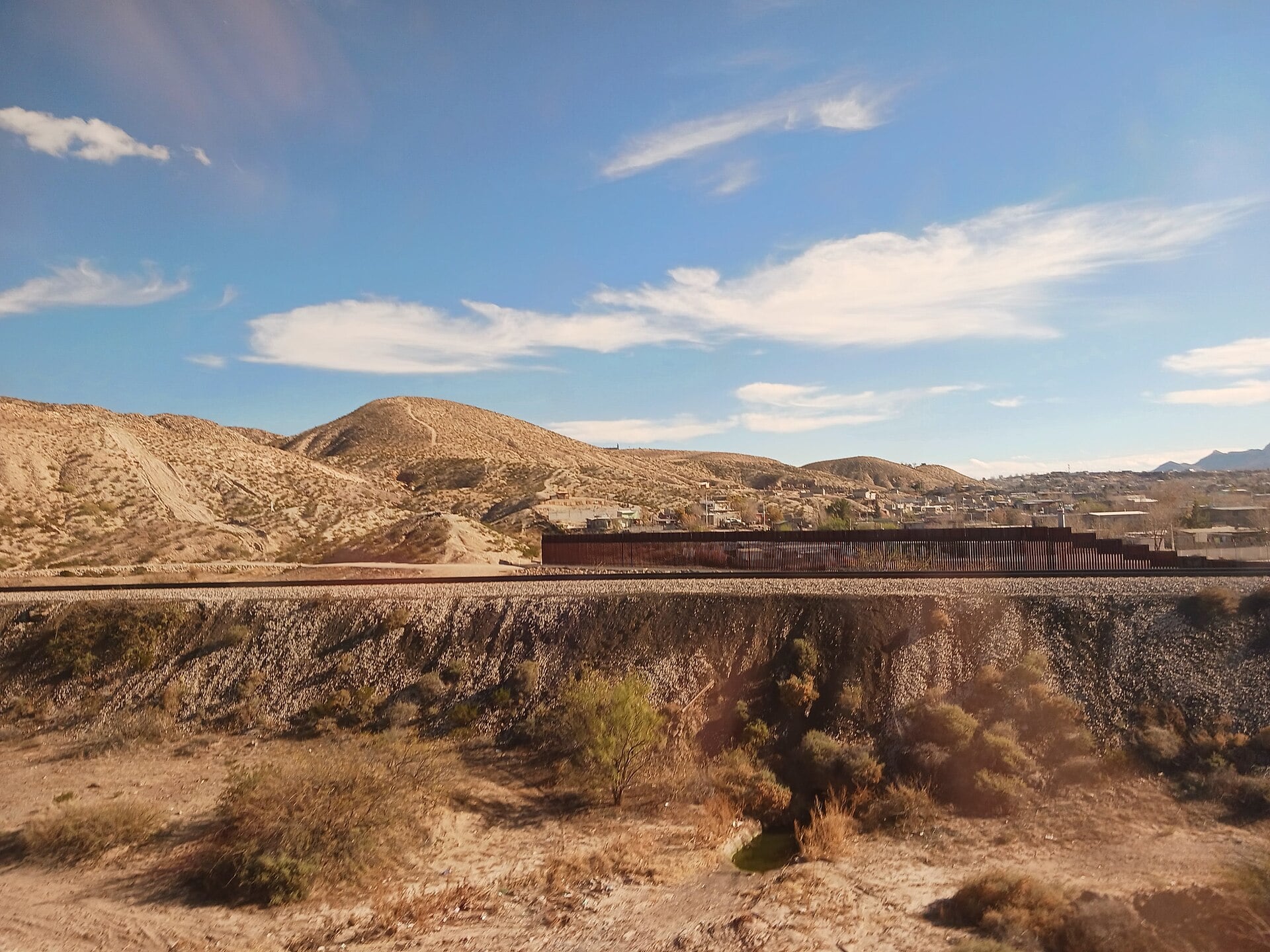
MEXICO · DEFENSE & SECURITY
Key Facts
- —What happened Mexico’s defence secretary said drones shot down by the United States on the northern border were flown by smuggling groups.
- —Who said it General Ricardo Trevilla Trejo, speaking at the president’s daily press conference in Zacatecas on Friday.
- —The real story He described ordinary commercial drones used to check whether smuggling routes are clear of authorities.
- —The catch He attributed the identification to United States authorities rather than to Mexican intelligence.
- —Who it affects Communities and businesses along the border, where drone activity is now a routine security concern.
- —What comes next No figures on detections, downings or countermeasures were released alongside the statement.
Mexico’s defence secretary was asked who was flying the drones the Americans have been shooting down. His answer was unusually specific, and it came with a caveat.
Mexico has given an account of who is flying the aircraft being shot down at its northern frontier. The Mexico border drones belong to smuggling groups, the defence secretary said.
The speaker was General Ricardo Trevilla Trejo. He is Mexico’s secretary of national defence.
He spoke on Friday 4 September 2026 at the president’s daily morning press conference. That day’s conference was held in Zacatecas.
El Financiero and El Economista both reported his remarks. The wording is worth reading closely, because of where he sourced it.
What He Actually Said
Trevilla described what American commanders had told their Mexican counterparts. The information came from joint border commanders’ meetings.
Those authorities, he said, mention that criminal groups use the drones. The aircraft are commercial models that capture images.
The purpose he described is straightforward reconnaissance. The operators want to see whether routes are clear and free of any official presence.
El Financiero reported him identifying the users more narrowly. He referred to groups that traffic undocumented migrants.
The Attribution Matters
This is the detail most likely to be lost in summary. Trevilla did not present the identification as a Mexican intelligence finding.
He relayed what United States authorities had said in bilateral meetings. That is a meaningful difference in a subject where both governments guard their sources.
It also explains the careful phrasing. A minister repeating a partner’s assessment is not making his own accusation.
Reporting it any other way overstates what Mexico has claimed. The distinction is small on the page and large in practice.
Why Cheap Drones Are a Security Problem
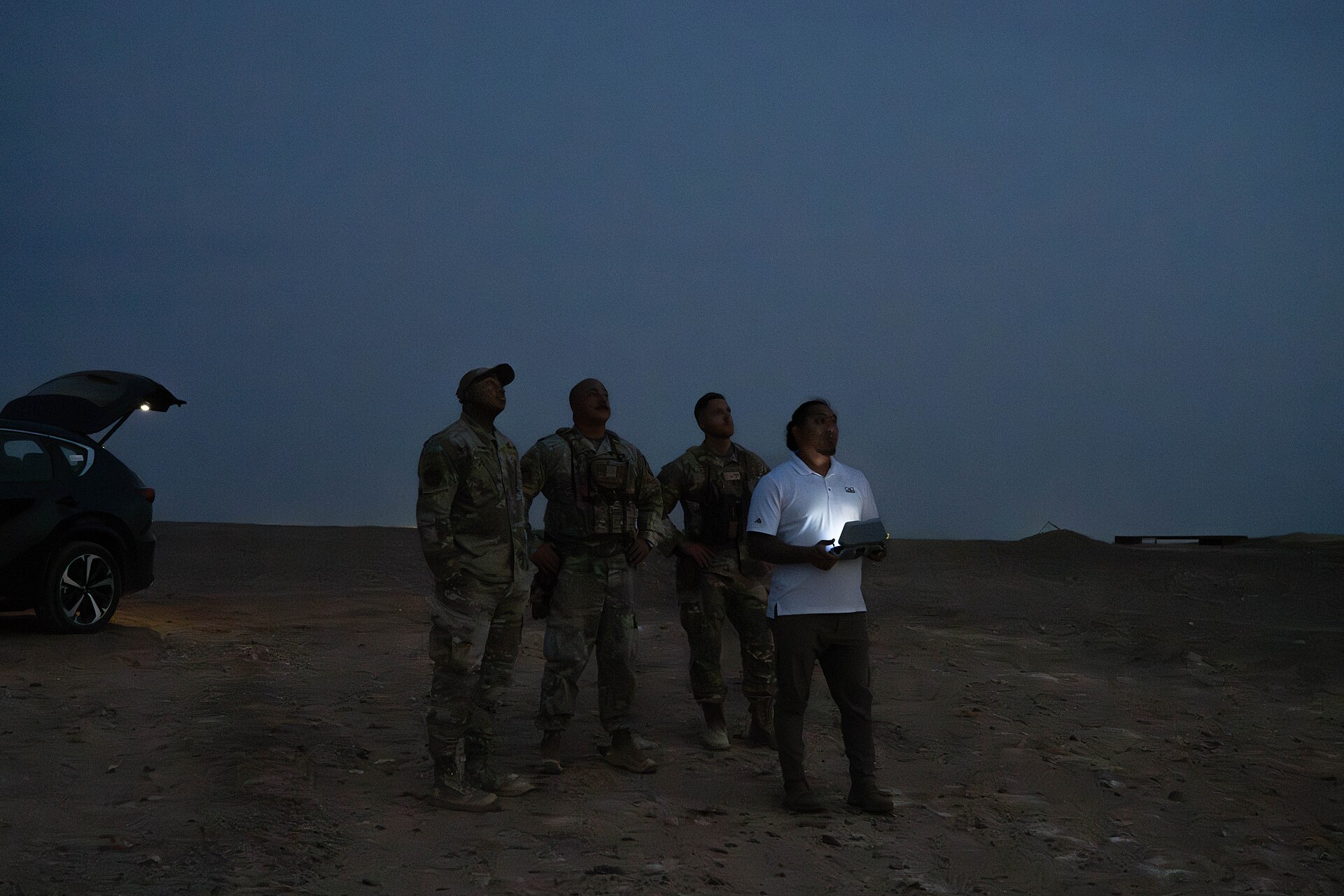
The aircraft described are not military hardware. They are commercial quadcopters of the kind sold to photographers and surveyors.
That is precisely what makes them useful to smuggling networks. They are inexpensive, widely available and produce no paper trail.
Flown ahead of a crossing, one can show whether a patrol is parked on a road. That converts a guess into knowledge for the people organising the crossing.
The same technology has civilian uses across the border region. Any countermeasure therefore has to distinguish between a survey flight and a scouting run.
What Was Not Said
No numbers were released. There is no published figure for how many drones have been detected or brought down.
No named group was identified. Trevilla spoke of criminal groups and of migrant-smuggling networks in general terms.
No Mexican countermeasure programme was announced alongside the remarks. Nor was any joint operation described.
And no cartel was named. Reports summarising this as a cartel surveillance programme go further than the minister did.
The Context on the Border
Security cooperation between the two countries has been under strain and under renegotiation for two years. Border commanders’ meetings are one of the working channels that continued through it.
Drone activity has become a standing item in those meetings. The United States has been shooting some of them down, which is why the question arose at all.
Mexico has separately been pressed on cartel extraditions and on drug flows. A federal judge suspended one senior cartel figure’s extradition this week.
So the Mexico border drones statement lands in a busy file. It is a small technical answer inside a much larger argument about who does what along that line.
For residents and businesses in the border states, the practical effect is limited for now. Nothing announced on Friday changes how anyone flies, farms or ships across it.
More: Mexico news in English, every day from The Rio Times.
Frequently Asked Questions
Who said the drones belong to smugglers?
General Ricardo Trevilla Trejo, Mexico’s secretary of national defence, at the president’s daily press conference in Zacatecas on Friday 4 September 2026.
What kind of drones are they?
Commercial models that capture images. According to the account he relayed, operators use them to check whether smuggling routes are clear of official presence.
Did Mexico identify the groups itself?
No. Trevilla attributed the identification to United States authorities speaking at joint border commanders’ meetings, rather than to Mexican intelligence findings.
Were any cartels named?
No. He referred to criminal groups and, in one account, to networks trafficking undocumented migrants. No specific organisation was identified.
How many drones have been shot down?
No figures were released. Neither detection numbers nor countermeasure programmes were announced alongside the statement.
Sources: El Financiero, El Economista, Rio Times.
This article was produced by The Rio Times’ automated newsroom system. How we use AI · Report an error · Editorial responsibility: Matthias Camenzind, Editor-in-Chief