Mali Industrial Gold Output Jumps 30 Percent in First Half of 2026
Mali · MINING
Key Facts
—Industrial output: Mali gold output from large industrial mines reached 23.5 tonnes between January and June 2026, up roughly 30 percent from about 18 tonnes a year earlier. Artisanal digging is counted separately.
—Forecast beat: The first-half figure exceeded the government’s forecast of 21.2 tonnes, putting Mali on track to meet its full-year target of 43.2 tonnes.
—Top producer: B2Gold’s Fekola mine led output with 8.85 tonnes, followed by Barrick’s Loulo operation at 6.9 tonnes in the first half of 2026.
—2025 slump: Industrial production fell to about 42.2 tonnes in 2025 from roughly 54.8 tonnes in 2024, a decline of around 23 percent linked to a revised mining code and a Barrick dispute.
—Economic weight: Gold accounts for close to 80 percent of Mali’s total exports and around 25 percent of state revenue, according to International Monetary Fund analysis. Mining companies paid the state about US$1.57 billion in 2025.
—Dollar value: At the average London gold price for the first half of 2026, about US$4,690 an ounce, those 23.5 tonnes are worth roughly US$3.5 billion.
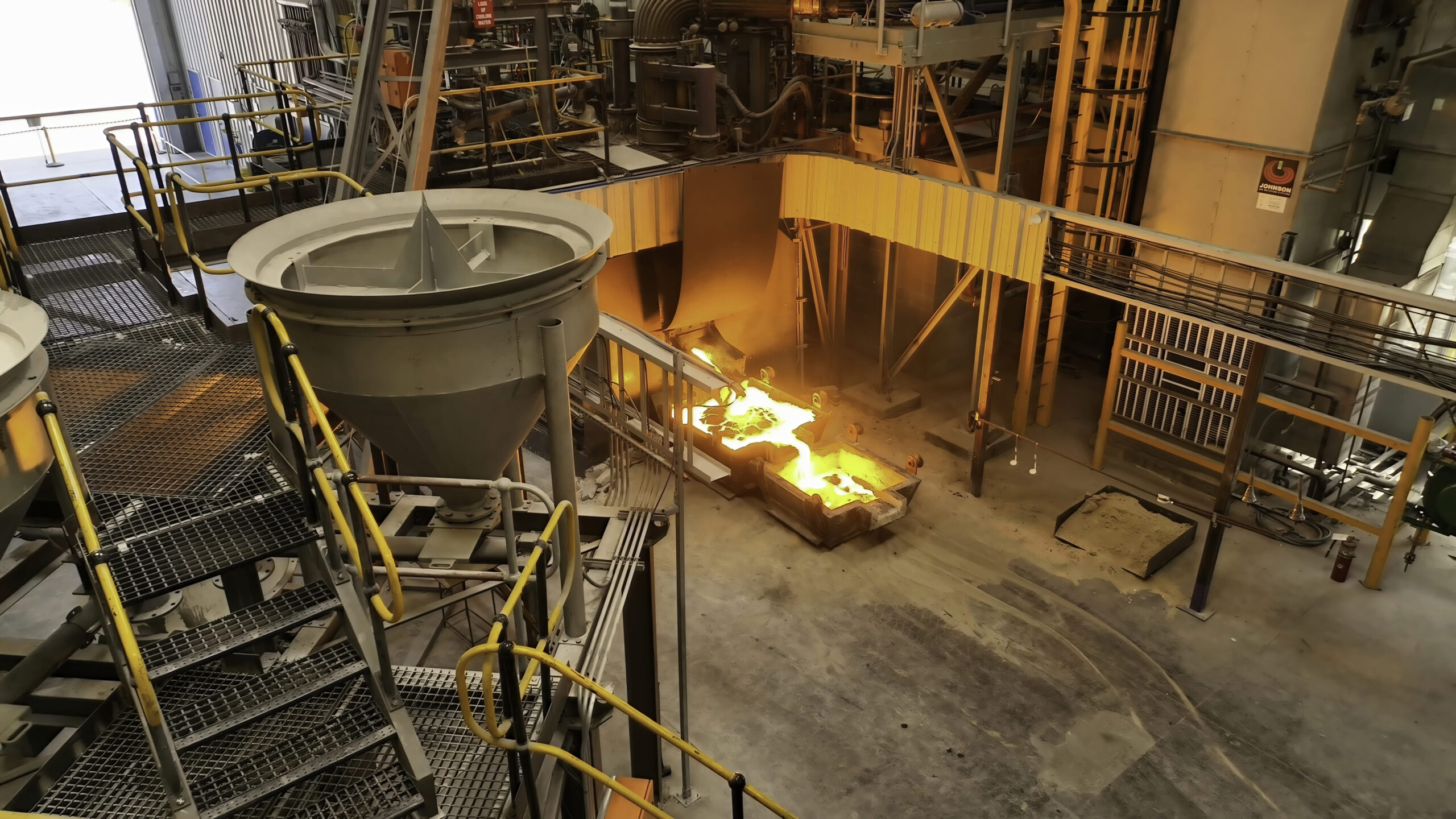
Mali gold output surged to 23.5 tonnes in the first half of 2026, beating the government’s own forecast by more than two tonnes and signalling a strong recovery from the sharp slump of 2025. The rebound gives Mali’s military government more money of its own at a moment of intense competition over the Sahel.
Mali gold output beats the official forecast
Mali’s mines ministry reported that industrial gold production reached 23.5 tonnes between January and June 2026, compared with roughly 18 tonnes in the same period of 2025. That is an increase of about 30 percent from a year earlier. The ministry data, published in mid-August 2026, covers only large-scale industrial mines and leaves out gold dug by hand.
The result exceeded the government’s first-half forecast of 21.2 tonnes, set out in the ministry’s 2026–2029 planning document. On this trajectory, Mali is on track to meet or surpass its full-year industrial output target of 43.2 tonnes.
The rebound follows a difficult 2025, when industrial production fell to about 42.2 tonnes from roughly 54.8 tonnes in 2024. That decline of around 23 percent was widely blamed on Mali’s revised 2023 mining code and a long dispute with Barrick that halted the Loulo-Gounkoto complex. A Bamako commercial court placed the complex under state provisional administration on 16 June 2025. Barrick settled in late November 2025, agreeing to pay about US$430 million, and regained operational control of the mine in December 2025.
Which companies drove the Mali gold output recovery
B2Gold’s Fekola mine remained Mali’s largest industrial producer in the first half of 2026, contributing 8.85 tonnes of gold according to mines ministry figures. Barrick’s Loulo operation followed with 6.9 tonnes, already above the 5.5 tonnes Barrick reported for the whole of 2025.
Resolute Mining contributed around 3.0 tonnes in the first half, while Allied Gold produced about 3.5 tonnes. Barrick reported 152,000 attributable ounces from Loulo-Gounkoto in the first half of 2026, against full-year guidance of 260,000 to 290,000 attributable ounces. The top of that range works out at about 362,500 ounces on a 100 percent basis, because Mali’s state holds 20 percent of the complex.
Foreign-owned industrial mines still account for almost all of Mali’s official gold, even as the state pushes for more control through new rules and its own refinery. The restart at Barrick, which took back control of Loulo-Gounkoto in December 2025, was the single biggest driver of the first-half jump. Resolute Mining kept its Syama mine running through a separate tax row with Bamako, which it settled in late 2024 by agreeing to pay about US$160 million.
Gold’s role in Mali’s economy and state finances
Gold is Mali’s dominant export, accounting for close to 80 percent of total exports and around 25 percent of fiscal revenue according to International Monetary Fund analysis. An IMF reference programme document noted that a recovery in gold production in 2026 is expected to lift output, budget revenues and exports. IMF staff put Mali’s gold exports at about US$3.4 billion in 2025 and projected roughly US$3.6 billion for 2026, although those estimates were drawn up before this year’s record gold prices. Mining companies paid the Malian state 888.5 billion CFA francs in 2025, about US$1.57 billion, up 6.4 percent even as output fell.
The national statistics institute INSTAT reported that Mali’s economic activity accelerated strongly in the first quarter of 2026, with year-on-year gross domestic product growth of 9.3 percent. That compared with 2.7 percent in the first quarter of 2025, driven in part by the revival of metallic mineral extraction.
Official industrial figures understate how much gold Mali really produces. The mines ministry recorded only 6 tonnes of artisanal gold in 2025, which took total recorded production to 48.2 tonnes. Al Jazeera, citing World Gold Council estimates, reported that Mali produced about 100 tonnes in 2024 once artisanal and unrecorded gold is counted, making it Africa’s second-largest producer behind Ghana on 140.6 tonnes and just ahead of South Africa on 98.9 tonnes.
Russia, refining and the Sahel gold corridor
Mali’s gold rebound matters beyond the balance sheet. The Sahel is the focus of a contest for influence between Western powers and Russia, with growing interest from China and Gulf states. Research by Chatham House and the Royal United Services Institute documents how Russian security contractors in Africa are often paid directly in gold or in mining concessions.
The Blood Gold Report, published in December 2023 by an international group of researchers, estimated that Russian entities earned more than US$2.5 billion from African gold in about two years. In Mali, General Assimi Goïta laid the foundation stone at Sénou, near Bamako, in June 2025 for a refinery designed to handle 200 tonnes of gold a year. The venture, SOROMA-SA, is 62 percent owned by the Malian state and 38 percent by Russia’s Yadran Group.
The refinery is built to handle far more gold than Mali’s industrial mines produce. That suggests it is meant to draw in metal from Burkina Faso and Niger, and to pull artisanal and smuggled gold into official channels. This fits the broader pattern covered in Africa: The New Scramble, where critical minerals and security arrangements increasingly overlap.
What the medium-term outlook shows
Mali’s mines ministry 2026–2029 plan projects industrial output of 43.2 tonnes in 2026, rising to 51.2 tonnes in 2027 and a peak of 57 tonnes in 2028, before easing to 50 tonnes in 2029. That suggests no return to the 2023 peak of about 66.5 tonnes of industrial gold in the medium term.
The plan sets out a slow, step-by-step recovery rather than a full return to the levels seen before the mining code changed. Mali looks more interested in earning more from each tonne than in digging up as much as possible.
Investors still face regulatory risk from the revised mining code, the 2025 Barrick dispute and ongoing political uncertainty. Security challenges, including jihadist attacks and the presence of foreign contractors around mining sites, add reputational and operational risks for listed companies and lenders.
What to watch next in Mali gold output
The second half of 2026 will test whether the first-half momentum can be sustained, particularly at Barrick’s Loulo–Gounkoto complex where the company guides to 260,000 to 290,000 attributable ounces for the full year. Its first-half figure of 152,000 ounces is already about 52 percent of the top of that range.
B2Gold is the other name to watch. Mali granted it the long-delayed Menankoto mining permit in early August 2026, but the wait had already forced the company to trim 2026 guidance for its Fekola complex to 390,000-420,000 ounces. The Sénou refinery project will be a key sign of how quickly Mali can move from shipping out raw gold to earning more at home. Its progress will also signal how deeply Russian interests become embedded in Mali’s gold value chain.
For Mali’s military government, the rebound means more money of its own and less immediate need for Western budget support. For investors, the question is whether the recovery can hold amid persistent security risks and an unpredictable regulatory environment.
How much industrial gold did Mali produce in the first half of 2026?
Mali produced 23.5 tonnes of industrial gold between January and June 2026, up about 30 percent from roughly 18 tonnes in the same period of 2025.
Which company was Mali’s largest gold producer in the first half of 2026?
B2Gold’s Fekola mine was Mali’s largest industrial producer with 8.85 tonnes, followed by Barrick’s Loulo operation at 6.9 tonnes.
What is Mali’s full-year industrial gold forecast for 2026?
Mali’s mines ministry has set a full-year industrial gold output forecast of 43.2 tonnes for 2026, with the first-half result putting the country on track to meet or exceed that target.
Connected Coverage
For deeper context on how Mali’s gold rebound fits into the wider contest over African critical minerals, read Africa: The New Scramble.
Sources
This article was produced by The Rio Times’ automated newsroom system. How we use AI · Report an error · Editorial responsibility: Matthias Camenzind, Editor-in-Chief