
MALAWI · ECONOMY
Key Facts
- —The number Malawi’s year-on-year headline inflation fell to 19.4% in September 2026 from 20.0% in August, the first reading below 20% since May 2022.
- —The split Food inflation eased to 12.5% from 13.4%, but non-food inflation stayed at 31.5%, down only from 31.8%.
- —The budget goal The rate is 4.4 percentage points above the 15% year-end inflation projection in the 2026/27 national budget.
- —The outlook The Reserve Bank of Malawi projects average inflation of 22% in 2026, and the IMF projects 21.9% in 2026 and 25.0% in 2027.
- —The warning Economists say fuel, transport and imported-input costs could push food prices up again.
- —Still open Whether non-food inflation falls materially, and whether the 15% target is reachable.
Malawi’s year-on-year headline inflation fell to 19.4% in September 2026, the first reading below 20% since May 2022, according to National Statistical Office data. Non-food prices, driven by fuel and imported goods, are still rising at 31.5%, and economists warn that this could erode the gain.
For US readers, the figures matter because Malawi relies on imported fuel and inputs, so oil prices and dollar shortages feed straight into prices at home. They also show how shortages of foreign currency and high fuel costs shape prices in a landlocked economy.
Inflation Eases but Pressure Persists
Food inflation fell from 13.4% in August to 12.5% in September, while non-food inflation stayed exceptionally high at 31.5%. The September result brought average inflation for the third quarter of 2026 to 20.0%, against 28.1% in the third quarter of 2025.
The latest rate is still 4.4 percentage points above the 15% year-end projection in the 2026/27 national budget. Economists warned that non-food prices could undermine the improvement, because fuel, transport, imported inputs, foreign-exchange shortages and borrowing costs also push up the cost of producing and moving food.
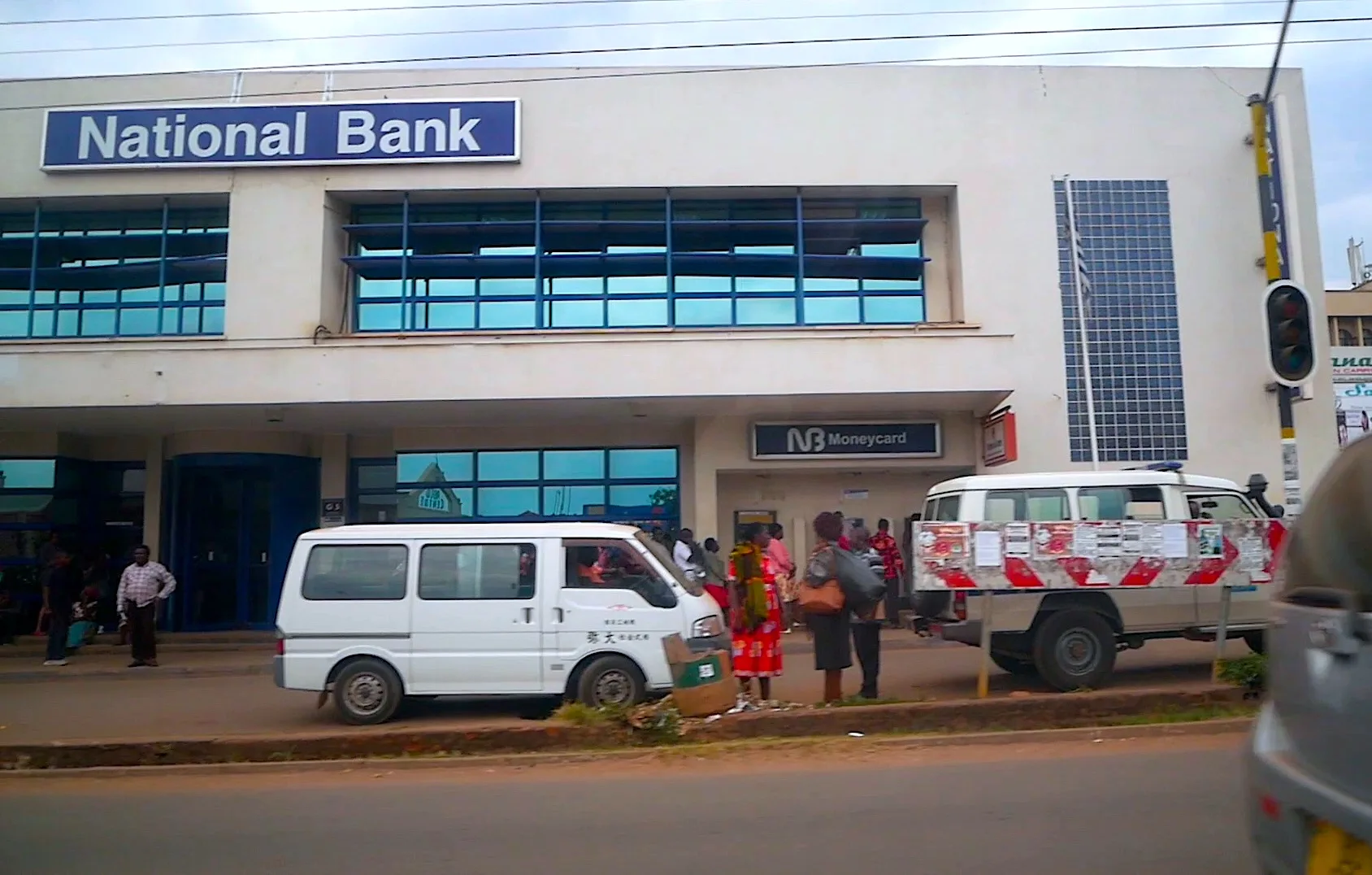
Economists Flag Supply-Side Risks
Edward Lemani, an economics lecturer at the University of Malawi, said sustained increases in fuel, transport and imported production-input prices could create second-round effects on food inflation and stall the downward trend. Patrick Chimseu, an economist at the Centre for Agriculture Research and Development, said inflation is driven mainly by production costs rather than excessive consumer demand.
Kisu Simwaka, deputy governor of the Reserve Bank of Malawi, said the pattern matches the bank’s forecast of 22% for the year. He said persistent non-food inflation reflects the incomplete pass-through of earlier exchange-rate adjustments.
Government and Forecasters
Information Minister Shadric Namalomba defended the government’s record this month, saying lower inflation means prices are rising more slowly, not that they have returned to earlier levels. He pointed to a narrower fiscal deficit and to efforts to improve fertiliser access and food availability.
The Reserve Bank of Malawi projects average inflation of 22% in 2026, down from 28.4% in 2025 and 32.2% in 2024. The IMF projects 21.9% in 2026 and 25.0% in 2027, a rebound covered in Malawi Inflation Set to Rebound to 25%.
What It Means for US Readers
US importers of Malawian tobacco and other commodities should watch how foreign-exchange shortages affect production and export capacity. Aid agencies and investors tracking southern Africa will read the gap between food and non-food inflation as a sign of how fragile the recovery is.
The IMF’s forecast of a rebound to 25.0% in 2027 means that cheaper-looking prices this year may not last. The outcome also depends on fuel costs and on how much foreign currency reaches the economy.
What Is Not Known
It is not clear whether inflation can fall to the budget projection of 15% by year-end from 19.4%, and the sources give no path to that level. Whether non-food inflation will fall materially or stay near 31% is also unknown.
How far the exchange rate will keep feeding into prices is unclear. Whether food prices will rise in the lean season, the months before the next harvest, is also not established.
More: Southern Africa news in English, every day from The Rio Times.
Frequently Asked Questions
What is Malawi’s current inflation rate?
Headline inflation fell to 19.4% in September 2026 from 20.0% in August. Food inflation was 12.5%, while non-food inflation was 31.5%.
Why are economists worried about non-food inflation?
High fuel, transport and imported-input costs raise the cost of producing and moving food. That could reverse the fall in headline inflation.
What is the official year-end projection?
The 2026/27 national budget projects inflation of 15% by the end of the year. The September rate of 19.4% was 4.4 percentage points above that level.
What do forecasters expect for 2027?
The IMF projects average inflation of 25.0% in 2027, up from 21.9% in 2026. The Reserve Bank of Malawi projects 22% for 2026.
Sources: MW Nation; Malawi24; Adalytica.
Photo credits: cover, Chikondi Koloko (CC BY-SA 4.0); inline, Nesnad (CC BY-SA 4.0); both via Wikimedia Commons.
This article was produced by The Rio Times’ automated newsroom system. How we use AI · Report an error · Editorial responsibility: Matthias Camenzind, Editor-in-Chief