Petrobras Nears US$2.3 Billion Platform Deal With Malaysia’s Yinson
Key Facts
Brazil’s Campos Basin gave the country its first deep-water oil and is now past its peak. Petrobras is betting billions on new floating platforms to slow the decline.
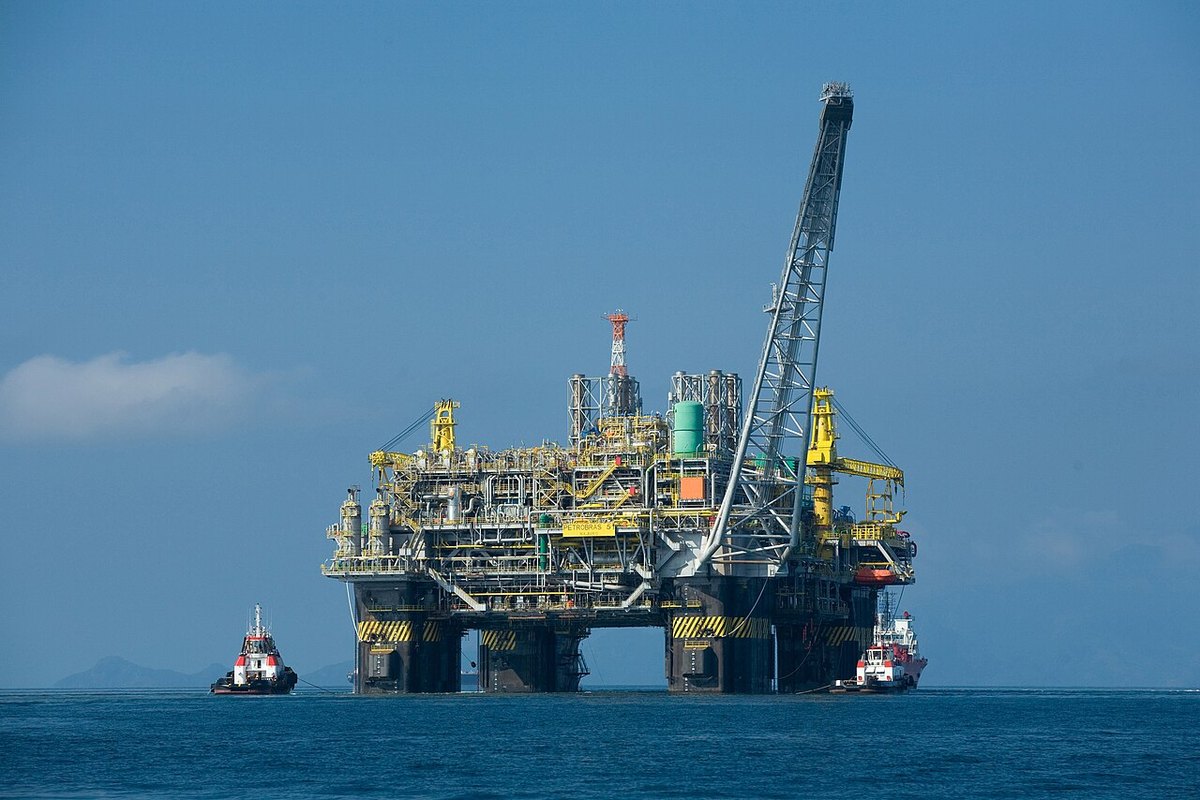
Petrobras has opened commercial negotiations with the Malaysian operator Yinson over the floating platform known as P-88. Brazil Energy Insight reported the move on 23 September 2026, after Yinson bid US$2.297 billion.
Why This Matters Beyond Brazil
Petrobras is Brazil’s state-controlled oil company and the largest producer in the South Atlantic. Its purchases set prices and schedules for shipyards in Asia, Europe and the Gulf.
An FPSO is a converted or purpose-built vessel that produces, stores and offloads oil at sea. Brazil is the busiest market in the world for these units, so each tender is watched closely.
Albacora sits in the Campos Basin, the offshore area that carried Brazilian output for three decades. That basin is now in decline, and Petrobras has promised to slow the fall with new equipment.
Foreign readers should note that Petrobras is majority state-controlled, so its board answers to the federal government. Local content rules decide how much of each contract must be built in Brazilian yards.
All figures in this article are in US dollars, as the tender itself was priced in dollars. For reference, the central bank PTAX selling rate was R$5.1991 per dollar on 25 September 2026.
Live Company IntelligencePetroleo Brasileiro Petrobras SA ADR — the full investor dossier
Wall Street view
Valuation & profitability
Price & risk
$10.6552-wk high
$21.99
Revenue trend · 6y
Ownership
Dividend
What Petrobras Is Buying
The P-88 is designed to process 120,000 barrels of oil a day. Click Petróleo e Gás put gas handling at 4.3 million cubic metres a day.
The unit will sit in about 670 metres of water, according to the tender documents. It is planned to connect up to 25 wells, split between producers and injectors.
The design life is at least 20 years, and first oil is expected after 2031. The contract uses a build, operate and transfer model, known in the industry as BOT.
Under that model the winner builds the vessel, runs it for a set term and then hands it to Petrobras. Petrobras chose the structure after an earlier charter tender failed, Click Petróleo e Gás reported.
How the Bids Compared
Five companies opened commercial proposals in August 2026, Brazil Energy Insight reported. Yinson came in lowest at US$2.297 billion, well below the rest of the field.
COOEC of China bid US$2.842 billion, and India’s Shapoorji Pallonji asked US$2.9 billion. Malaysia’s MISC bid US$3.056 billion and Norway’s BW Offshore US$3.191 billion.
BNamericas reported the same outcome on 11 August, describing Yinson as having outbid four rivals. Reuters later reported a Petrobras executive confirming that Yinson had won the tender.
Upstream, a trade title, reported that Petrobras is aiming to sign before the end of the year. Rivals privately questioned some design choices in the winning proposal, Brazil Energy Insight reported.
Petrobras’s own technical team deemed the winning proposal valid. Petrobras has not published a signing date, and the negotiation could still fail.
The Cost Cutting Behind the Price
Part of the gap between the bids comes from a lighter design. The hull and topsides were trimmed by about 2,600 tonnes.
That reduction was worth roughly 7 per cent of capital cost, Brazil Energy Insight reported. Lourenço Fróes, who coordinates the company’s Profort programme, defended the approach.
“Project optimization is a relentless pursuit for Petrobras,” Fróes said. He added that the company is “willing to trade off some efficiency if it means increased profitability”.
Why the First Attempt Failed
This is the second time Petrobras has tried to contract a platform for Albacora. The first round used a chartering model, where a contractor owns the unit and leases it out.
Click Petróleo e Gás reported that the first attempt, launched in 2023, failed to advance on price. The company then rewrote the terms to hand ownership over at the end of the term.
The Rio Times has reported before on the company’s shift to build-operate-transfer contracts. The notice first set 1 October 2025 for proposals, and the date moved as the process went on.
The Field and Its Ageing Platforms
Albacora lies about 110 kilometres east of Cabo de São Tomé, on the northern coast of Rio de Janeiro state. Petrobras holds 100 per cent of the field and operates it alone.
It is one of the so-called Round Zero areas kept by the company before Brazil opened its oil sector. Two units produce there today, the P-31 vessel and the P-25 semi-submersible platform.
Both units are decades old, and Petrobras has not published retirement dates for either. First oil from the replacement unit is not expected before the 2030s.
Petrobras has not said publicly how it will bridge that period at the field. Output from mature Campos fields has been falling for years as reservoir pressure drops.
Where It Fits in the Petrobras Plan
The board approved a business plan for 2026 to 2030 on 28 November 2025. It sets total investment at US$109 billion, with US$69.2 billion for exploration and production.
Post-salt areas such as Albacora take 24 per cent of that exploration and production money. Chief executive Magda Chambriard said the sum equals about 5 per cent of all investment in Brazil.
“Our investments amount to a significant volume for the Brazilian economy,” she said. The plan lists eight new production systems by 2030, seven of them already contracted.
Peak oil output is forecast at 2.7 million barrels a day in 2028. Albacora is therefore a late project, arriving after that peak rather than before it.
The Argument Over Brazilian Yards
The tender sets a minimum of 20 per cent local content, according to the published notice. Critics of Petrobras say that is too little to sustain a domestic shipbuilding industry.
Sinaval, the association of Brazilian shipyards, rejects the idea that local yards lack capability. It argues that Asian competitors won their position through decades of state support and steady orders.
Sinaval says each direct shipyard job supports around five more jobs elsewhere in the economy. Sinaval published its case in answer to a column by Elio Gaspari in O Globo.
Supporters of open tenders reply that cheaper units mean more projects and lower break-even costs. Petrobras has not commented publicly on the criticism of the Albacora local content rule.
What It Means If You Invest or Work in Oil
For Yinson shareholders, the award would add a large order to a company already busy in Brazil. For suppliers, the local content floor points to modest but real work in Rio de Janeiro state.
For investors in Petrobras, the price gap shows the company squeezing costs on post-salt projects. Anyone modelling Brazilian output should note that this barrel arrives in the 2030s, not now.
Service firms in Macaé and Niterói will watch the signing date closely. Nothing is final until both sides sign, and Petrobras has walked away from this tender once already.
What Is Not Yet Known
The final contract value is not known, because Petrobras is still seeking better terms. The length of the operating period before transfer has not been confirmed publicly.
Petrobras has not said which yard would build the hull or where conversion would take place. No date has been announced for board approval or for signature.
Frequently Asked Questions
What is an FPSO?
It is a floating production, storage and offloading vessel used to produce oil at sea. It processes the oil, stores it on board and transfers it to shuttle tankers.
How much is Yinson asking?
Yinson bid US$2.297 billion, the lowest of five proposals opened in August 2026. Petrobras is now negotiating for better terms before any signature.
When would the platform start producing?
Reports point to first oil after 2031. The two platforms working at Albacora today are due to retire in 2026 and 2028.
Why does Petrobras want to transfer ownership?
The build, operate and transfer model leaves Petrobras owning the unit at the end of the term. The company moved to it after an earlier charter tender was dropped on price.
Sources: Brazil Energy Insight, commercial negotiations with Yinson, Brazil Energy Insight, the five bids and the design savings, BNamericas, Yinson offers US$2.297bn, Reuters via TradingView, Petrobras executive says Yinson won, Upstream, Petrobras eyes an end-of-year deal, Click Petróleo e Gás, the P-88 tender terms, Petrobras, Business Plan 2026-2030, Sinaval, the case for Brazilian shipyards
This article was produced by The Rio Times’ automated newsroom system. How we use AI · Report an error
Read More from The Rio Times