Kejetia Phase II: Ghana Targets October Restart and Real Rents at Kumasi Trading Hub
Ghana · Infrastructure
Key Facts
- —What happened At a meeting in Kumasi on 20 September 2026, officials said stalled work on Kejetia Phase II should resume in October 2026.
- —Why it matters Kumasi is Ghana’s second city, and the new building is planned to add more than 9,700 shops.
- —The money problem Phase One shop premiums have brought in GH¢89 million (about US$7.8 million), against GH¢165.3 million (about US$14.4 million) expected.
- —The catch The minister says available funds may not cover every part of the original design, such as linking bridges and roads.
- —What changes for traders The minister wants rents near market rates, saying spaces with a GH¢25,000 (about US$2,200) premium were sublet for far more.
- —The Brazil link Phase II is built by the British arm of Brazil’s Contracta Engenharia, which built the first phase.
Ghana’s government says building will resume next month on a half-finished extension of Kumasi’s central trading complex. It also wants shopkeepers to pay rents closer to what the space is really worth.
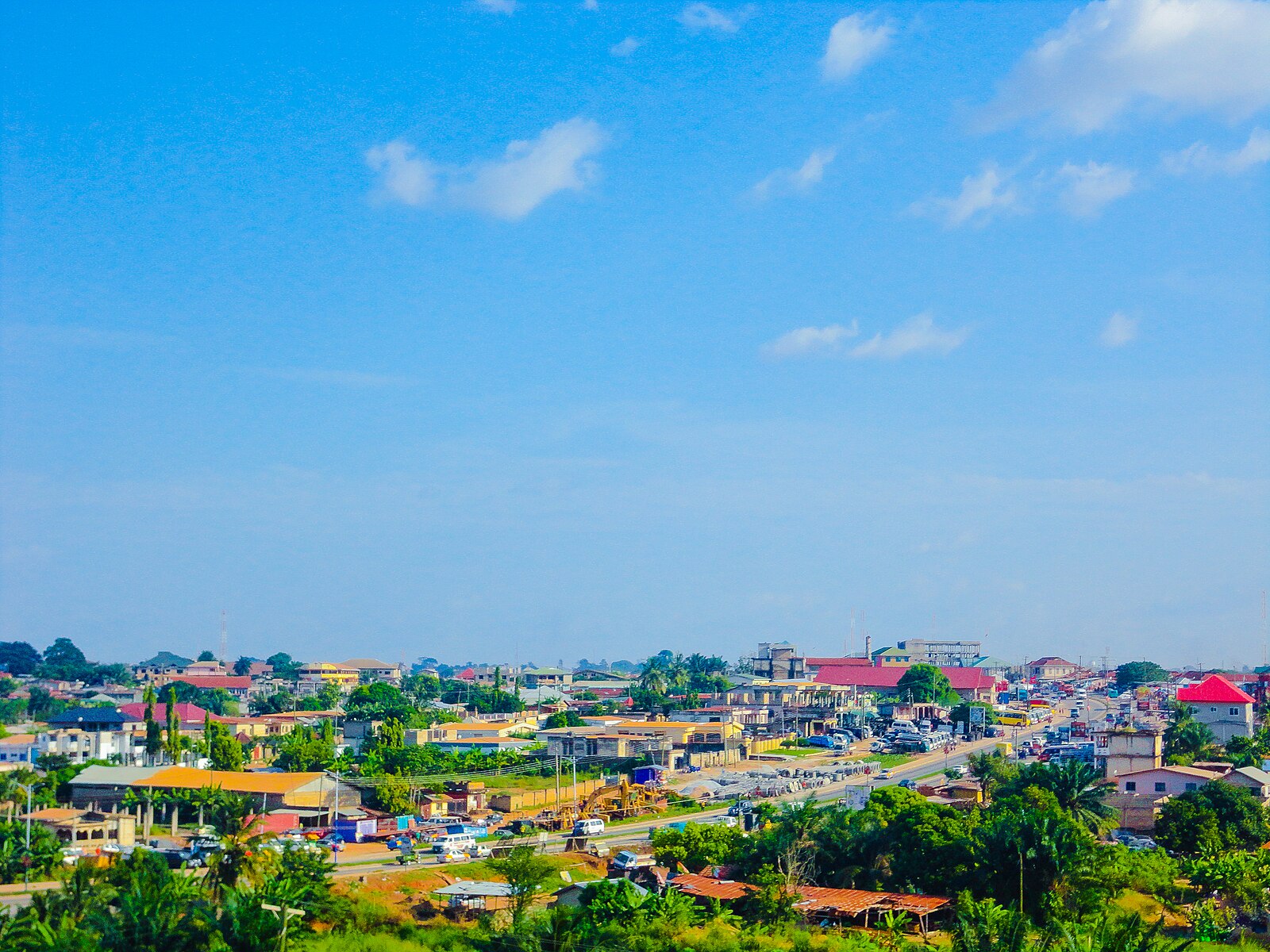
Kejetia Phase II, the long-stalled second stage of Kumasi’s central trading complex, should be back under construction in October 2026. Officials told traders so at a meeting in the Ghanaian city on Sunday 20 September 2026.
Kumasi is Ghana’s second city and the capital of the Ashanti Region. Its Kejetia complex combines a vast covered trading hall with a bus and lorry terminal.
The government also wants to change how the complex pays for itself. It plans to charge shopkeepers rents much closer to what their spaces are really worth.
A restart promised for October
The meeting brought traders’ leaders, contractors and consultants together with Mahama Ayariga. He is the minister for local government, chieftaincy and religious affairs.
Ayariga, formerly the majority leader in parliament, was approved as minister on 27 August 2026. He inspected the stalled site on 30 August, according to GhanaWeb.
The Kumasi mayor, Richard Ofori Agyemang Boadi, heads the Kumasi Metropolitan Assembly, the city government. He said the government had negotiated with the contractor and consultant to resume work.
“We are in absolute terms convinced that this October, the redevelopment of phase two of Kejetia is beginning,” he said.
How far the building has got
The contract, worth €248 million (about US$285 million), was signed in December 2018. It was meant to be finished within 48 months.
Tony Yeboah-Asare of Avangarde Design Services, the project consultant, put overall progress at 68 percent. Engineering is 99 percent done, procurement 84 percent and construction 49 percent.
About €171 million (about US$196 million) has been paid so far, according to figures presented at the meeting. The finished building is planned to hold more than 6,000 lockable shops and over 3,760 counter shops.
It also includes a transport terminal for 600 vehicles. Work was halted in 2024, according to the previous minister, Ahmed Ibrahim.
Speaking in Accra in May 2026, Ibrahim said the project was about 58 percent complete at the suspension. He said its total cost had risen from €248 million to more than €305 million (about US$350 million).
He blamed delays, unpaid contractor claims and suspension costs. Ayariga has pointed to Ghana’s debt restructuring from December 2022, which suspended payments on most external commercial and bilateral debt.
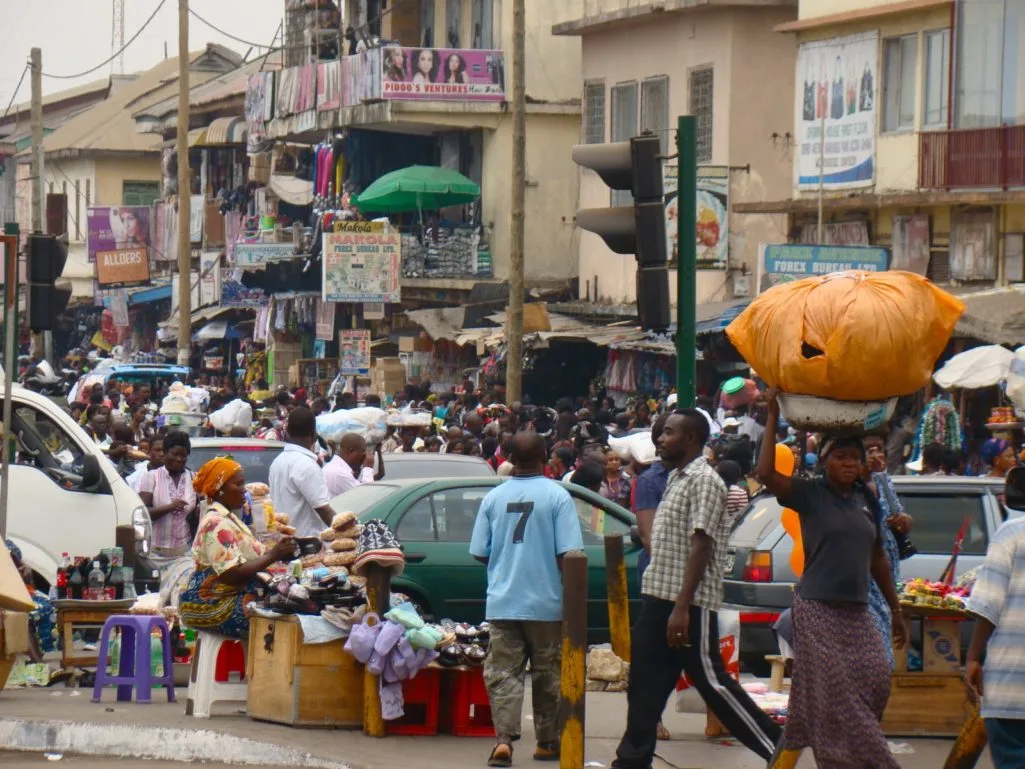
The rent problem in Phase One
The first phase, commissioned in 2018 according to the mayor, was meant to pay for the later ones. Traders owe the city a premium for five-year tenancies.
Those premiums were expected to raise GH¢165.3 million (about US$14.4 million) over the five years. The mayor said only GH¢89 million (about US$7.8 million) has been collected.
That is about 54 percent of the target. Cedi figures use an interbank rate of 11.46 to the US dollar, as reported by MyJoyOnline on 15 September 2026.
Euro figures use the European Central Bank reference rate of 1.149 US dollars per euro on 21 September 2026.
Ayariga cited a preliminary assessment: some tenants paid GH¢25,000 (about US$2,200) but sublet spaces for GH¢100,000 to GH¢120,000 (about US$8,700 to US$10,500). “And I am saying that is unfair,” he said.
His answer is to charge the going rate directly, “so the state can use that money to fund phase 3”. Officials named no one.
What the new model means
Ayariga told journalists after the meeting that market-rate rents would not necessarily be permanent. More trading space, he argued, could eventually push rents down if supply outgrows demand.
Money from Phase One will help bring the contractor back to site, he said. He conceded it may not cover every part of the original design.
Items that could be deferred include bridges linking the phases and the road network around the complex. A third phase, he said, should cost less because market revenue would finance it.
Phase One tenants have until the end of December to clear premium arrears or risk losing their shops. An independent firm is expected to collect premiums in later phases, MyJoyOnline reported.
A Brazilian builder in Kumasi
The redevelopment has a Latin American thread. Brazil’s Contracta Engenharia built the first phase, according to Deutsche Bank, which arranged the loans.
Phase II is built by its British subsidiary, Contracta Construction UK Ltd. That opened the door to a UK Export Finance guarantee.
Brazil’s export credit agency backed part of the first phase’s loans, the bank says.
In May 2026 Contracta laid off about 150 workers on the idle Kejetia Phase II site, GhanaWeb reported. Its return is the first test of October’s promise.
Boadi also used Facebook on 20 September to warn traders against paying anyone who claims to sell future shop allocations. No allocation of Phase II spaces has started, he said.
More: Africa coverage, every day from The Rio Times.
Frequently Asked Questions
What is Kejetia?
Kejetia is the central trading and transport complex of Kumasi, Ghana’s second city. Its redevelopment is split into phases. The first phase was completed in late 2018 and formally opened in May 2019. The second has been stalled since 2024.
When will construction resume?
Kumasi’s mayor, Richard Ofori Agyemang Boadi, said on 20 September 2026 that work on Kejetia Phase II should begin again in October 2026. The project consultant puts overall progress at 68 percent, with construction itself 49 percent complete.
Why does the government want higher rents?
Local Government Minister Mahama Ayariga says a preliminary assessment found some Phase One tenants paid GH¢25,000 (about US$2,200) and sublet spaces for four times that or more. He wants the state to collect market-rate rents and use the money for a third phase.
How is Brazil involved?
Brazil’s Contracta Engenharia built the first phase, and its British subsidiary, Contracta Construction UK Ltd, is building the second. Deutsche Bank, which arranged the financing, says Brazil’s export credit agency backed part of the loans for the first phase.
Sources: MyJoyOnline on the October restart and progress figures, MyJoyOnline on shop premiums and subletting, Adom Online on the stakeholder meeting, Citi Newsroom on the minister’s financing plan, Asaase Radio on the mayor’s scam warning, GhanaWeb on the meeting and the May progress figure, The Ghanaian Chronicle on the cost increase, 3News on the debt restructuring, Deutsche Bank on the original financing, Citi Newsroom on Ayariga’s approval, MyJoyOnline on the cedi rate, European Central Bank reference rates
This article was produced by The Rio Times’ automated newsroom system. How we use AI · Report an error
Read More from The Rio Times