Brazil · Business
Key Facts
—The announcement. JBS will close two of its facilities in the United States.
—Where. A beef plant in Souderton, Pennsylvania, and a value-added plant in Memphis, Tennessee.
—The scale. The Pennsylvania plant employs about 1,700 people and can process some 2,000 cattle a day.
—The cause. A US cattle shortage is squeezing the margins of beef processors.
—The company. JBS is Brazilian-owned and the world’s largest meat company by revenue.
—The framing. JBS calls the move part of a push toward efficiency and value-added products.
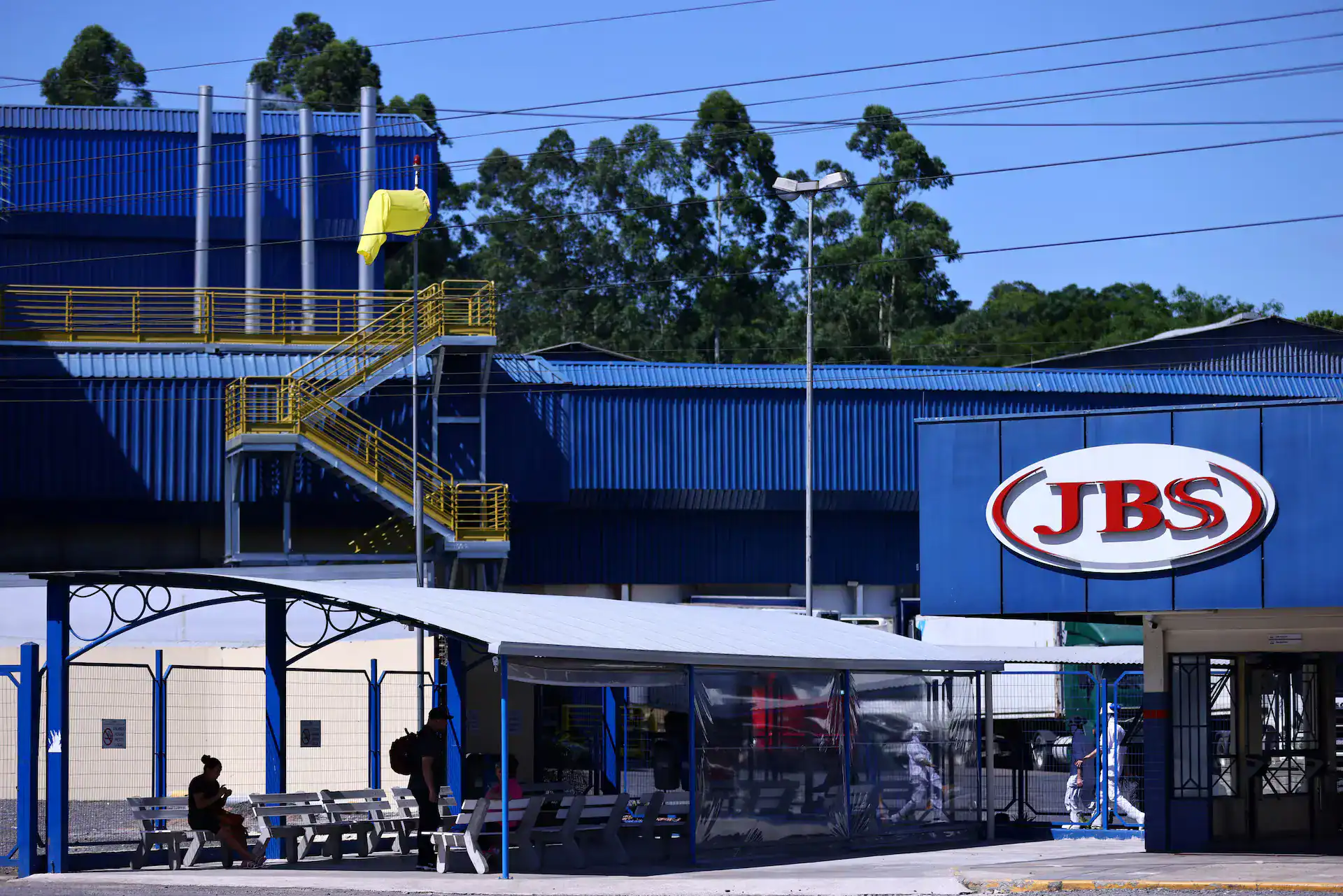
JBS, the Brazilian-owned global meat giant, will close two US plants as a cattle shortage squeezes American beef margins across the industry.
The world’s largest meat company is pulling back in the United States. JBS, a Brazilian giant that feeds protein to much of the planet, has announced the closure of two American plants.
The move lands in the middle of a difficult stretch for the US beef industry. A shrinking national cattle herd is driving up costs and squeezing the firms that turn animals into supermarket meat.
What JBS is closing
The company named two sites. One is a beef production plant in Souderton, Pennsylvania, a suburb of Philadelphia; the other is a value-added facility in Memphis, Tennessee.
The Pennsylvania plant is the larger blow. It employs around seventeen hundred people on a single shift and can handle roughly two thousand cattle a day.
JBS says affected staff will be able to apply for jobs at its other US sites. Production from both plants, it adds, will be absorbed elsewhere in its network so customers see no disruption.
The chief executive struck a careful tone. He called the decisions painful for workers and their communities while insisting they would leave the company stronger.
Why it is happening
The root cause is a shortage of cattle. Years of drought and high costs have shrunk the US herd, leaving processors competing for fewer animals.
That dynamic is brutal for the economics of a packing plant. Processors buy cattle by the head but sell by the pound, so a thin supply pushes up what they pay and erodes their margins.
JBS prefers a forward-looking frame. It casts the closures as part of a strategy to modernise operations and shift toward higher-value, prepared foods.
The company points to recent investments elsewhere. It has been spending on plants in Texas, Georgia and Iowa aimed at expanding value-added production.
The closures also reflect how concentrated American beef has become. A handful of companies, JBS among them, control the lion’s share of the country’s processing, so each plant decision ripples across the supply chain.
Regional effects can be sharper than national ones. The northeastern United States is a relatively isolated market, and the loss of a major plant there could be felt more keenly by local ranchers and buyers.
Live Company IntelligenceJBS N.V. — the full investor dossier
Wall Street view
Valuation & profitability
Price & risk
$10.6152-wk high
$17.27
Revenue trend · 6y
Ownership
Dividend
A wider industry shift
JBS is not alone in retreating. Rival Tyson has also announced major beef-plant closures, underlining that the squeeze is industry-wide rather than company-specific.
Analysts play down the immediate market impact. The two JBS sites are relatively small, and their output can be shifted, so national processing capacity is barely dented.
The longer-term signal is what matters. A steady drip of closures means the US could eventually bump into a capacity ceiling once the herd recovers.
Why a foreign reader should care
The story is partly about how Brazilian capital now reaches deep into the American heartland. JBS grew from a single butcher in the Brazilian interior into a company that runs hundreds of plants worldwide.
JBS is one of Brazil’s corporate champions, and its health matters far beyond São Paulo. The company is listed in both Brazil and, more recently, on the New York market.
For investors, the closures are a window onto a wider truth. A Brazilian company’s fortunes now turn heavily on conditions in American feedlots and global protein demand.
There is a consumer angle, too. A tighter US beef supply tends to mean higher prices on American shelves, a small thread in the larger story of food inflation.
That global footprint cuts both ways for investors. It spreads risk across many countries and currencies, but it also means a downturn in any one market, such as US beef, can weigh on the whole group.
Why the US cattle herd is so tight
The US cattle herd has shrunk to multi-decade lows after years of drought and high feed costs pushed ranchers to sell down. Fewer animals mean packers compete harder for each one, squeezing the margins that keep a plant open.
Closing older, less efficient plants is how a processor protects profitability when supply is scarce. It concentrates the available cattle at the most modern sites.
What it means for prices and jobs
Fewer plants and tighter supply tend to keep US beef prices high at the supermarket. Shoppers feel the cattle cycle long after the herd numbers make headlines.
For the affected towns, a plant closure is a serious local blow, removing hundreds of stable jobs. JBS frames the move as efficiency, but the community cost is real.
Frequently Asked Questions
What is JBS closing in the United States?
It is closing a beef production plant in Souderton, Pennsylvania, and a value-added facility in Memphis, Tennessee. The Pennsylvania plant employs about seventeen hundred people.
Why is JBS closing the plants?
A US cattle shortage is raising costs and squeezing the margins of beef processors. JBS also frames the move as part of a strategy to modernise and focus on higher-value products.
Why does it matter outside the US?
JBS is Brazilian-owned and listed in both Brazil and New York, so its US results affect its share price. The episode shows how a Brazilian champion now depends on American cattle markets.
Connected Coverage
This article was produced by The Rio Times’ automated newsroom system. How we use AI · Report an error · Editorial responsibility: Matthias Camenzind, Editor-in-Chief