Investors Reward Bolivia’s Political Shift as Bonds Hit Yearly Highs
Bolivia made financial headlines after voters sharply turned away from the left-wing MAS party that ruled the country for nearly 20 years.
Official results showed MAS’s candidate barely scored 3%, a dramatic drop from its past dominance. Two rivals—a centrist senator Rodrigo Paz and ex-president Jorge Quiroga—will now face off in a presidential runoff scheduled for October 19.
This sudden political shift triggered a strong reaction in the markets. Bolivia’s 2030 government bond, traded globally in dollars, jumped more than three cents to 79.69 cents on the dollar right after Sunday’s vote.
Market trackers like Tradeweb confirmed this price, the highest for the bond in a year. Investors hope new leaders will fix Bolivia’s inflation, which reached 23% in June, and address shortages that have made daily life harder for many.
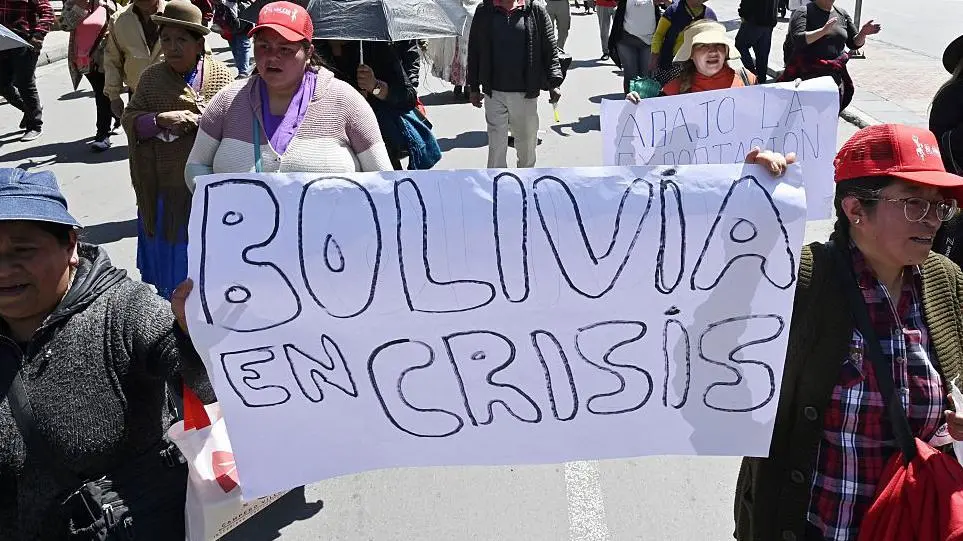
The story behind these market moves is simple: Confidence soared once MAS’s hold seemed broken. Investors see a chance for Bolivia to introduce market-friendly reforms and maybe work with the IMF to avoid default.
This would help stabilize prices and encourage foreign investment, both crucial for a country facing empty reserves and expensive imports.
Why does it matter outside Bolivia? The election shows how voters, tired of crisis and weak leadership, forced real change. It sends a message to other Latin American countries: financial stability depends on open competition and accountable government.
More: Bolivia news in English, every day from The Rio Times.
This article was produced by The Rio Times’ automated newsroom system. How we use AI · Report an error
Read More from The Rio Times