Bolivia Fuel Deal Keeps Tanker Drivers Moving After 83% Diesel Price Rise
Bolivia · Energy
Key Facts
- —What happened After talks in Santa Cruz on Sunday 20 September 2026, tanker drivers agreed to keep hauling fuel normally.
- —What set it off Diesel rose from Bs 9.80 (about US$0.89) to Bs 17.95 (about US$1.63) a litre under a new decree.
- —Who decided the cut President Rodrigo Paz and his cabinet approved Supreme Decree 5716 on Friday 18 September 2026.
- —What the drivers got A promise of continued talks on operating costs and freight rates, with no figures announced.
- —The catch Interdepartmental transport leaders walked out and called a 24-hour strike; others kept their sector in emergency.
- —At the pumps Queues shrank in El Alto and Cochabamba over the weekend, though some Santa Cruz stations still had lines.
Tanker drivers who haul Bolivia’s imported fuel have called off a threatened halt after an 83% jump in the diesel price. Their costs and freight rates are still on the table.
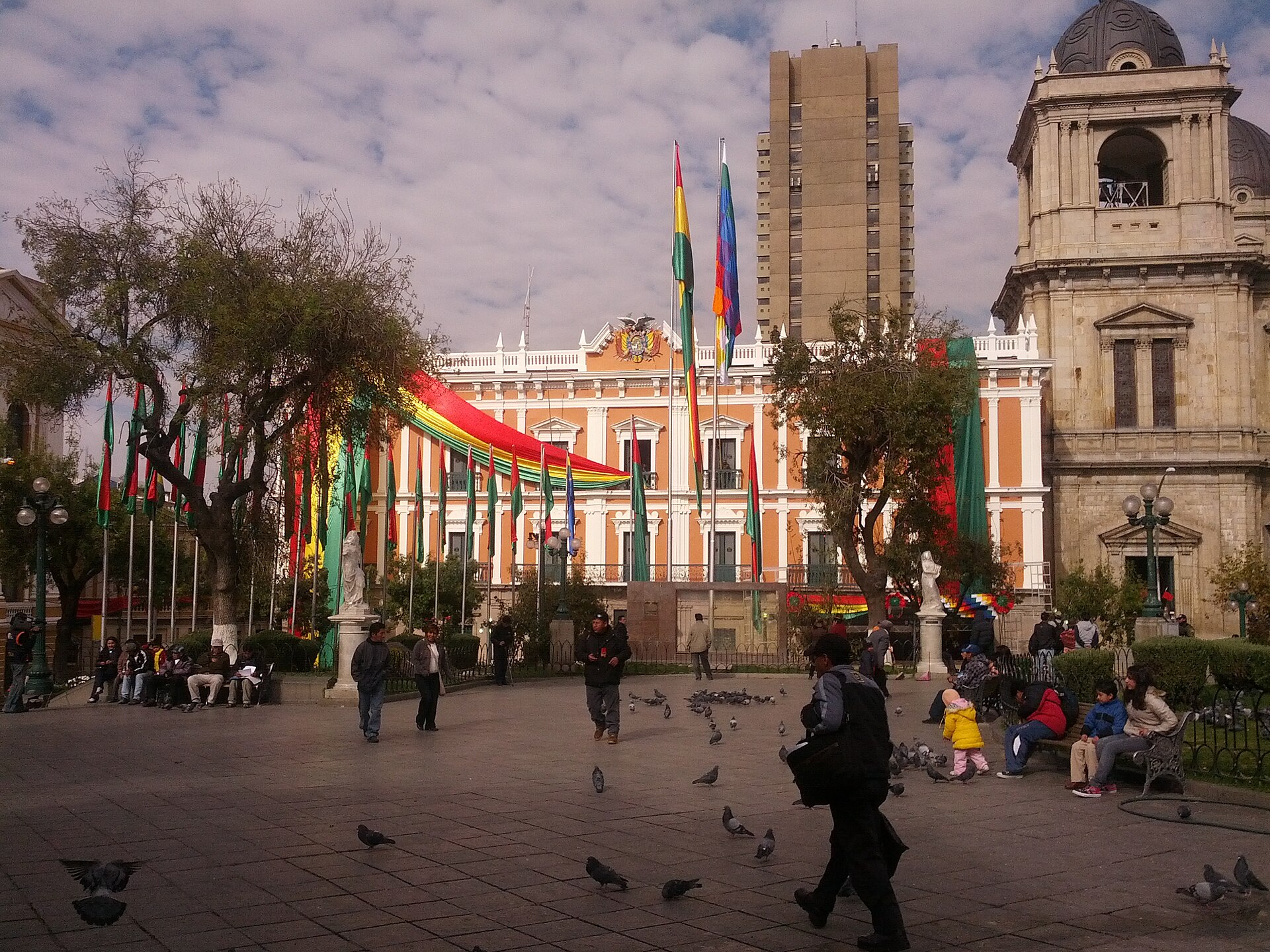
A Bolivia fuel deal struck late on Sunday has kept the country’s tanker trucks on the road. The drivers who haul imported fuel to service stations had threatened to stop after the government ended the diesel subsidy.
Talks ran through Sunday 20 September 2026 at the Santa Cruz offices of YPFB, the state oil and gas company. They ended close to midnight with the drivers agreeing to keep working normally.
The stakes were high for a landlocked country that buys most of its diesel abroad. Without the tankers, nothing reaches the pumps.
What the Bolivia fuel deal covers
Defence Minister Ernesto Justiniano led the government side, joined by Public Works Minister Mauricio Zamora and YPFB officials. Those officials included Jorge Paniagua, a YPFB refinery manager, according to Unitel.
Justiniano said the tanker sector “will maintain fuel transport normally and will not suspend its operations,” the state agency ABI reported. The Defence Ministry said the deal guarantees “the continuity of a central part of the fuel supply chain” nationwide.
In return, the drivers won a commitment to keep talking about their operating costs and freight rates. No new freight tariff, payment or fuel quota was announced.
Road transport groups in Santa Cruz also dropped a strike planned for Monday. Unitel named Fedetrans, the Federación 16 de Noviembre and the departmental federation among those at the table.
Not everyone stayed. Interdepartmental transport leaders walked out of the talks at YPFB and confirmed a 24-hour nationwide strike for Monday, El Día reported.
Their leader, Evert Chino, said an assembly would follow on Tuesday. Transporters from the Santa Cruz valleys announced blockades at Mataral and Los Negros.
On Monday morning, the traffic police at the Bimodal bus terminal in Santa Cruz reported routes clear and no blockades.
What the drivers had threatened
The confrontation began on Saturday 19 September 2026, the day the new diesel price took effect. Ronald García, president of Fedectrans, the Santa Cruz transport cooperatives’ federation, announced a halt to fuel haulage.
“The tanker sector will not load or unload another litre of fuel until the president comes down,” García said, El Día reported. The drivers demanded to meet President Rodrigo Paz in person.
Sergio Kosky, president of the Federation of Tanker Drivers of Bolivia, said YPFB had called technical meetings on freight rates. But a national assembly of the sector ruled that any negotiation must be with the head of state, El Día reported.
The reason, Kosky said, was that earlier meetings with ministers had not delivered. In the end, the drivers settled with ministers anyway.
Kosky told Unitel that fuelling up for a trip used to cost a driver 10,000 bolivianos (about US$909). Now, he said, it takes 18,000 or 20,000 bolivianos (about US$1,636 to US$1,818).
García was blunter. “Freight rates are going to rise; it will be chaos for the population,” he told Unitel.
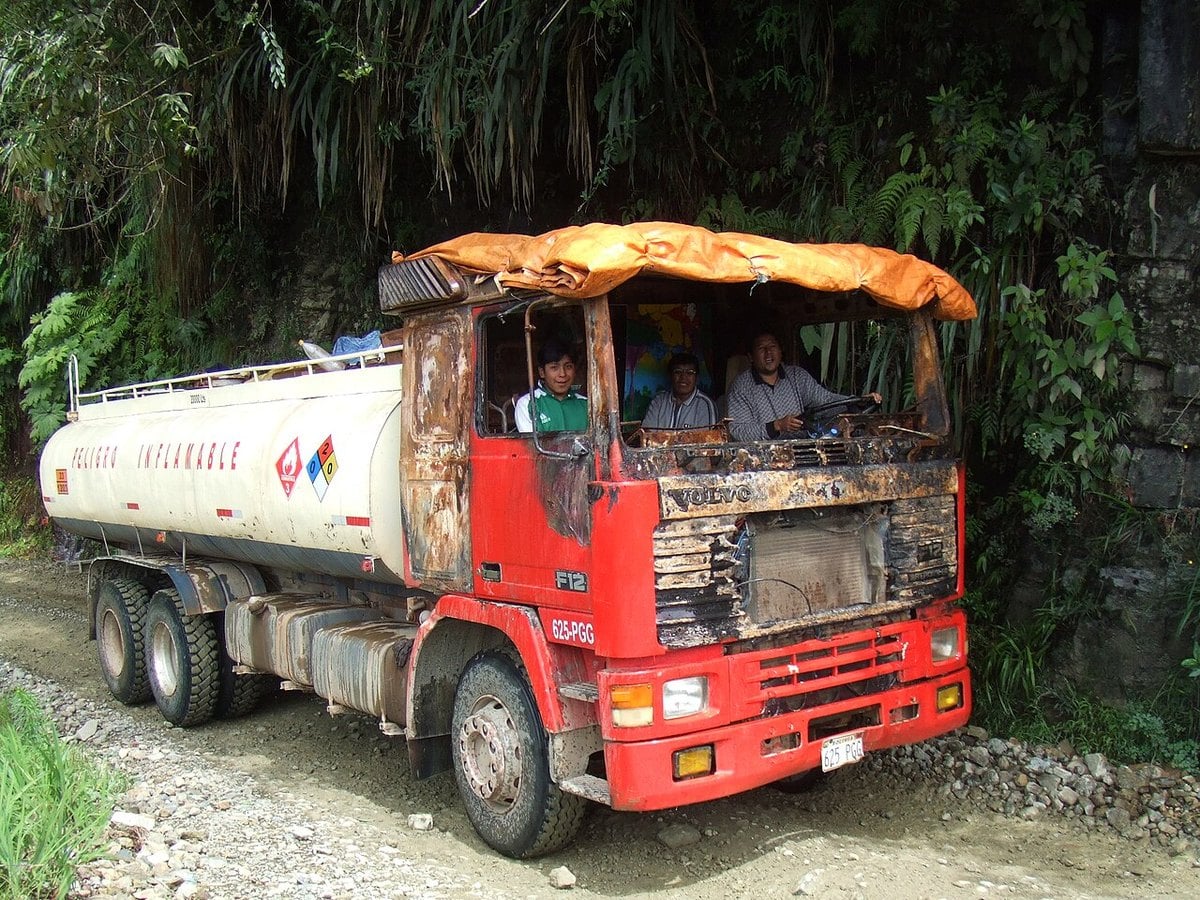
The tanker drivers are private contractors who carry fuel from Pacific ports, Atlantic routes and the Paraguay-Paraná waterway. They have clashed with YPFB before, over unpaid invoices.
In July, YPFB promised to settle their March and April arrears by the end of that month, El Mundo reported. That older deal also opened talks on freight increases, which the new one continues.
What the diesel-subsidy cut was
The trigger was Supreme Decree 5716, approved by Paz and his cabinet on Friday 18 September 2026. In force from Saturday 19 September, it ended the fixed, subsidised diesel price.
Diesel went from Bs 9.80 (about US$0.89) to Bs 17.95 (about US$1.63) a litre, including VAT. That is a rise of 83%.
Paz announced it on state television on Friday night, after the Senate approved a US$1.9 billion International Monetary Fund loan. “From today, diesel will cost the same as it costs us to buy it abroad,” he said, AFP reported.
He put the cost of the diesel subsidy at about US$55 million a week. From now on, the price follows a Gulf Coast diesel benchmark published by Argus Media, plus import and logistics costs.
The price changes only when that reference moves more than 5% either way, under the decree. Gasoline prices are unchanged, YPFB said on Monday.
On Monday, presidential spokesman José Luis Gálvez said ending the gasoline, cooking gas and vehicle gas subsidies “is not on the agenda”. El Día reported his remarks, carrying Unitel.
The government paired the rise with relief, including a Bs 874 million (about US$79 million) cash bonus for 2.9 million people. It also set up a Bs 800 million (about US$73 million) credit fund at 6% interest for transporters, traders and artisans.
Is supply returning to normal
Station reports over the weekend were mixed but improving. Unitel found the diesel queues gone in El Alto, the city above La Paz, and largely gone on Cochabamba’s Avenida Blanco Galindo.
In Santa Cruz, some truck lines remained, while other stations had fuel and few buyers. Some drivers were waiting to see whether the measure would be reversed, Unitel reported.
On Monday morning Red Uno found no cars waiting on Cochabamba’s Avenida Juan de la Rosa. On Avenida Ingavi the line stretched about three blocks, against the kilometre-long queues of previous days.
The government argues that cheap diesel fed smuggling to neighbouring countries, AFP reported. For now, the tankers keep delivering while demand settles at the new price.
Why Bolivia keeps running short
For years, Bolivia sold fuel below cost, financed by natural gas exports. As gas output declined, the central bank ran short of the dollars needed to import diesel and gasoline.
Fuel shortages and long queues began in 2023, according to AP. Paz, a centre-right former senator who took office on 8 November 2025, had already acted on fuel.
In December 2025, when he ended the old fuel subsidies, diesel rose from Bs 3.72 (about US$0.34) to Bs 9.80 (about US$0.89).
In June 2026, his government ended the boliviano’s long peg to the dollar and let it float. The official rate is now set by the market.
The Banco Central de Bolivia’s official rate on Monday 21 September 2026 was 11.00 bolivianos to the US dollar. The parallel rate was about 11.88, according to the tracking site DolarBolivia.
What comes next
The truce is conditional. Transport leaders said they would continue working normally but would put any strike decision to their own assemblies, Unitel reported.
Deputy Treasury Minister Óscar Navarro told AFP the government expects an IMF board vote on 2 October 2026. It expects a first payment of about US$250 million after that.
Until then, the Bolivia fuel deal buys time rather than settling the drivers’ costs.
More: Bolivia coverage, every day from The Rio Times.
Frequently Asked Questions
Who signed the Bolivia fuel deal?
The agreement came out of talks at YPFB’s offices in Santa Cruz on Sunday 20 September 2026. Defence Minister Ernesto Justiniano led the government side with Public Works Minister Mauricio Zamora and YPFB officials. Tanker drivers and Santa Cruz road transport federations, including Fedetrans, took part. No signed text has been published; the outcome was announced by the ministers and reported by Bolivian media.
How much does diesel cost in Bolivia now?
Under Supreme Decree 5716, approved on Friday 18 September 2026 and in force from Saturday 19 September, diesel sells for Bs 17.95 (about US$1.63) a litre including VAT. Before, it cost Bs 9.80 (about US$0.89). The price now tracks an international benchmark and changes when that reference moves more than 5%.
Did gasoline prices change too?
No. YPFB, the state oil and gas company, said on 21 September 2026 that the commercial price of gasoline has not been modified. Under Bolivia’s IMF programme, the remaining fuel subsidies are due to go by January 2027, according to BioBioChile. On 21 September, presidential spokesman José Luis Gálvez said removing the gasoline, cooking gas and vehicle natural gas subsidies “is not on the agenda”.
Who is Bolivia’s president?
Rodrigo Paz, a centre-right politician and former senator, has been president since 8 November 2025. His vice president is Edmand Lara. Paz is the son of former president Jaime Paz Zamora.
Sources: El Deber on the Sunday agreement, ABI on the ministers’ statement, Unitel on the transport federations, Unitel on the drivers’ threat, El Día on the tanker federation, Visión 360 on Supreme Decree 5716, Los Tiempos on the new price, AFP via Unitel on the announcement, Euronews and AP on the IMF loan, Red Uno on Cochabamba stations, Unitel on station queues, El Mundo on the July arrears pledge, BCB official rate, DolarBolivia on the parallel rate, BioBioChile on the IMF commitments
This article was produced by The Rio Times’ automated newsroom system. How we use AI · Report an error
In depth
Read More from The Rio Times