Historic Sewell Mining Camp in Chile reopens as a tourist destination
The Sewell Mining Camp, a UNESCO World Heritage Site, has reopened its doors to the public after being closed since 2020 due to the pandemic.
Located in the Andes Mountains at an altitude of 2,200 meters, the camp aims to establish itself as a prominent tourist destination in Chile.
Constructed in the early 20th century by the U.S. Braden Copper Company to house workers and engineers of the El Teniente copper mine, the Sewell Mining Camp is a unique architectural marvel.

It is situated in the O’Higgins region, approximately 160 kilometers from Santiago de Chile.
Verónica Pardo, the Undersecretary of Tourism, expressed excitement about the reopening, stating that Sewell is an extraordinary place that showcases Chile’s history, culture, and territories.
The camp’s reopening presents an excellent opportunity for visitors to explore this World Heritage Site.
Sewell started welcoming visitors again on June 17, evoking a sense of emotion and nostalgia.
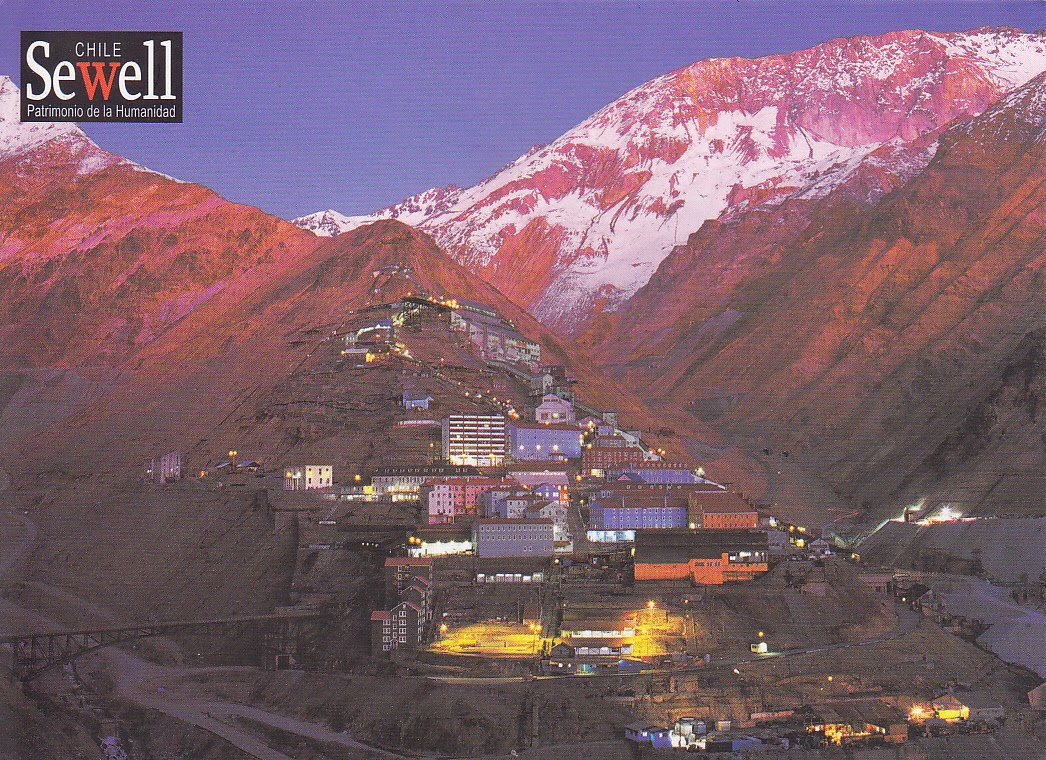
Often referred to as the “city of stairs,” the camp played a vital role in the birth of Chile’s copper mining industry and was once home to around 15,000 inhabitants during its peak between the 1940s and 1960s.
It boasted amenities like schools, movie theaters, swimming pools, bowling alleys, and vibrant buildings where residents resided for decades.
Following the nationalization of copper production and companies in the 1970s, the town experienced a decline after the withdrawal of the U.S. multinational.
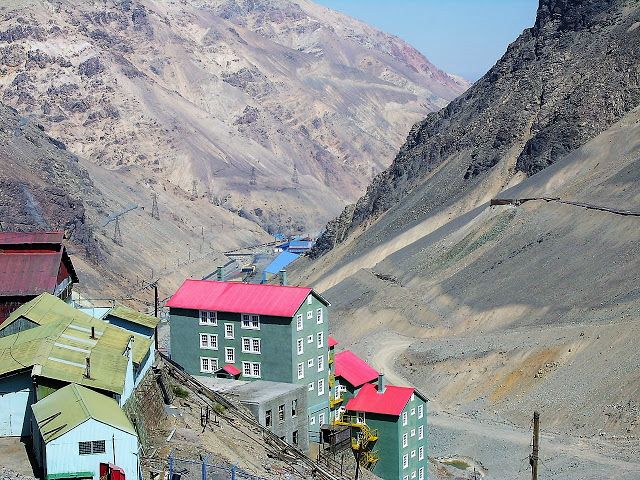
However, the El Teniente mine, which spans over 4,000 kilometers of tunnels, has continued operations as the largest mine globally.
Since being declared a National Heritage Site in 1998 and a World Heritage Site in 2006, efforts have been made to restore and transform Sewell into a museum.
The Sewell Foundation, responsible for managing funds provided by UNESCO, has played a significant role in the camp’s restoration.
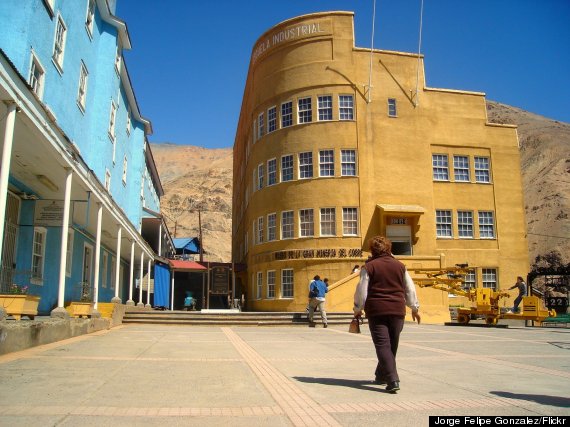
Sewell serves as a remarkable example of company towns worldwide, established in remote areas to extract and process valuable copper resources.
Its reopening not only signifies the appreciation of cultural heritage but also contributes to social development and the local economy, according to Germán Sandoval, the Sustainability and External Affairs Manager at El Teniente mining company.
This article was produced by The Rio Times’ automated newsroom system. How we use AI · Report an error · Editorial responsibility: Matthias Camenzind, Editor-in-Chief
In depth