Experts anticipate that El Niño’s weather impact, export restrictions, and rising biofuel costs might challenge the global grain supply in 2024.
These issues could raise food prices and reduce availability worldwide.
Reports from various sources like agricultural economists and climate scientists offer diverse views on this situation.
El Niño is known to affect weather patterns globally. It often leads to poor crop conditions, impacting grain production.
As a result, countries around the world might see smaller harvests. This supply decrease can push food prices, making it harder for people to afford basic staples.
Export restrictions add another layer to this problem. Countries might limit grain exports to keep enough supply at home.
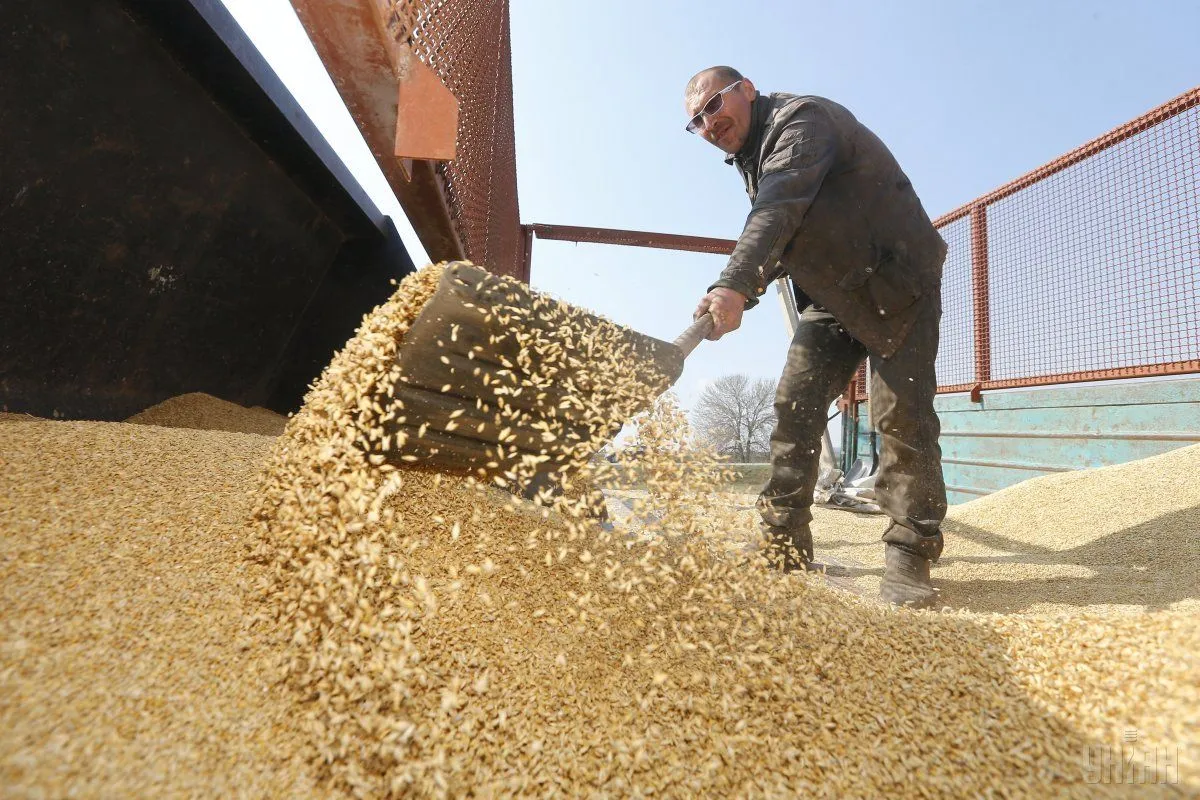
This action can lead to shortages in countries that rely on imported grains. Higher biofuel prices also play a role.
As biofuel demand increases, more grains are used to produce it instead of being available for food. This shift can further tighten the grain supply.
Despite these challenges, there are positive signs. Some regions, like South America, expect better grain yields in 2024.
Countries like Argentina have seen beneficial weather, boosting their crop prospects. This variability shows how different areas respond to global trends.
The impact of these trends is not uniform. While some regions might struggle, others could thrive.
This difference affects global markets and food availability. It’s important for international organizations to monitor these changes.
They need to be ready to help regions facing shortages.
In conclusion, the global grain supply in 2024 is a complex issue. It involves climate, trade, and economic factors.
Understanding these connections helps us prepare for and respond to potential challenges. Cooperation and planning are key to ensuring food security worldwide.
More: Brazil news in English, every day from The Rio Times.
Live Market IntelligenceBrazil — Live Market Board
Rio Times · Live Market Intelligence
Brazil — Live Market Board
-0.52%
205,835.29
-0.52%
65,312.46
+0.52%
11,164.13
+0.36%
2,896,853
+0.95%
2,589.04
+0.25%
60,220.93
+0.91%
| Instrument | Last | Change | YoY | Prev. | High | Low | Volume |
|---|---|---|---|---|---|---|---|
| IBOV | 205,835.29 | -0.52% | +21.85% | 206,911.89 | 168,310 | 167,142 | — |
| USD/BRL | 5.16 | +0.01% | -5.13% | 5.16 | 5.18 | 5.14 | — |
| SELIC | 14.00% | — | — | — | — | — | |
| PETR4 | 41.64 | -0.05% | +35.19% | 41.66 | 41.97 | 41.15 | 41,499,400 |
| VALE3 | 72.97 | +0.83% | +30.75% | 72.37 | 73.54 | 72.66 | 17,658,000 |
| ITUB4 | 38.60 | -1.03% | +4.57% | 39.00 | 39.34 | 38.39 | 29,487,800 |
| BBDC4 | 16.85 | +0.36% | +3.50% | 16.79 | 16.90 | 16.67 | 19,416,900 |
| BBAS3 | 19.37 | +0.47% | +0.73% | 19.28 | 19.44 | 19.16 | 11,069,200 |
| B3SA3 | 14.26 | -0.21% | +12.73% | 14.29 | 14.47 | 14.11 | 33,037,800 |
| ABEV3 | 14.89 | -0.80% | +21.91% | 15.01 | 15.07 | 14.81 | 16,453,100 |
| WEGE3 | 47.59 | +0.49% | +29.99% | 47.36 | 48.08 | 47.36 | 3,364,600 |
| PRIO3 | 59.14 | -0.19% | +50.67% | 59.25 | 59.81 | 58.74 | 3,325,600 |
| SUZB3 | 41.33 | +2.35% | -23.55% | 40.38 | 41.48 | 40.35 | 3,914,900 |
| RENT3 | 34.68 | -0.09% | +0.84% | 34.71 | 34.96 | 34.35 | 7,979,100 |
| AZZA3 | 15.89 | -2.63% | -53.76% | 16.32 | 16.42 | 15.82 | 1,330,300 |
| CSNA3 | 4.30 | +0.47% | -42.65% | 4.28 | 4.41 | 4.26 | 10,076,100 |
| GGBR4 | 24.69 | +2.19% | +51.38% | 24.16 | 24.85 | 24.18 | 7,047,600 |
| ENEV3 | 24.21 | -1.38% | +70.49% | 24.55 | 24.64 | 23.99 | 9,297,000 |
This article was produced by The Rio Times’ automated newsroom system. How we use AI · Report an error · Editorial responsibility: Matthias Camenzind, Editor-in-Chief