Former Argentine President Fernández Faces Corruption Charges Over Insurance Contracts
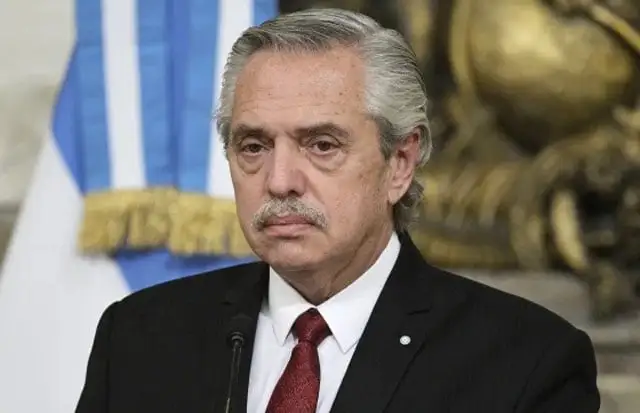
Argentina’s former president, Alberto Fernández, now stands accused of corruption after a federal judge indicted him for alleged misconduct in government insurance contracts during his 2019–2023 term.
The case, confirmed by official court records, centers on a 2021 decree Fernández signed. This order forced all government agencies to buy insurance only from Nación Seguros S.A., a state-owned company run by his close friend, Alberto Pagliano.
Investigators say this setup allowed brokers linked to Fernández and his former secretary to collect large commissions as middlemen, even though the government could have handled the deals directly and saved money.
The judge estimates this scheme cost Argentina’s public funds around $300 million. As a result, the court froze $11 million of Fernández’s personal assets while the case moves forward.
Alongside Fernández, 33 other people face charges, including his former secretary and the main insurance broker involved. If convicted, Fernández could see up to six years in prison and a lifetime ban from public office. He denies any wrongdoing and plans to appeal.
This case adds to Argentina’s long struggle with political corruption. Fernández’s party, the Peronists, have faced similar scandals in the past. Former vice president Cristina Kirchner, also a Peronist, is already serving a sentence for fraud.
The indictment sends a clear message: authorities are trying to crack down on corruption in public contracts. For businesses and investors, the outcome matters because it affects trust in Argentina’s government and the stability of its economy.
The case also reminds citizens why transparency and oversight are vital in public spending. The result could shape Argentina’s political future and how leaders are held accountable for using public money.
More: Argentina news in English, every day from The Rio Times.
This article was produced by The Rio Times’ automated newsroom system. How we use AI · Report an error · Editorial responsibility: Matthias Camenzind, Editor-in-Chief