(Sponsored) Brazil is a vast country where logistics issues are given much attention. This approach makes it possible to gradually solve existing problems and improve the overall situation by organizing logistics processes.
For a more detailed study of this issue, we should highlight several key features we want to tell you about in our article.
Non-functioning railway
The main logistical feature of Brazil is the almost complete absence of railway communication between cities and states.
Today, it is developed only in some parts of the country, but the possibilities of its use are severely limited.
This hurts various logistics processes and increases road, air and water transport loads.
There are several reasons why the Brazilian railway network is not in the best condition. First of all, this is due to the country’s geographical features.
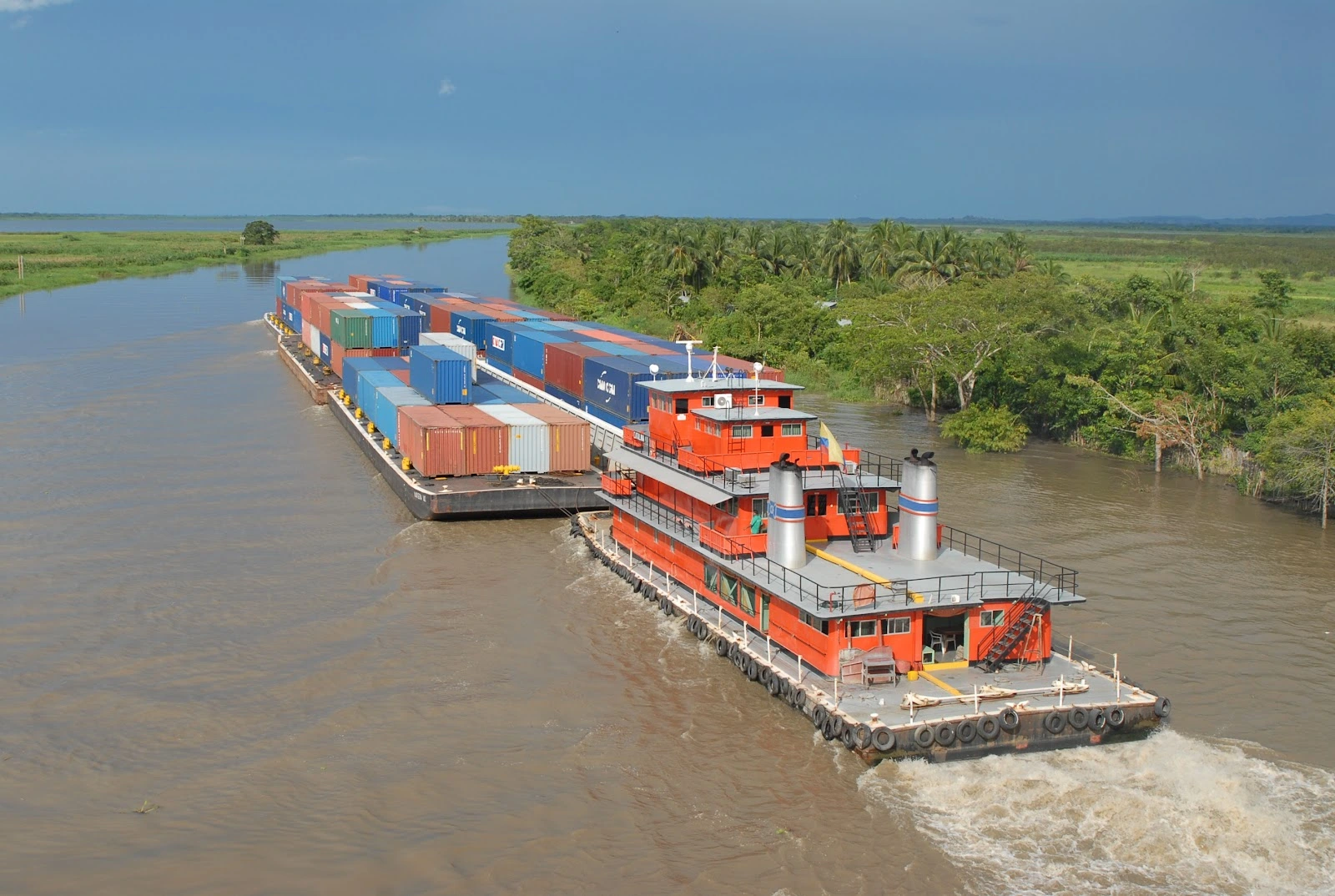
Most of its territory is occupied by tropical forests and mountain ranges, making laying railway routes difficult and unprofitable.
The Amazon River makes the situation even worse. It flows through the territory of many states and makes creating railway networks virtually impossible from a logistical point of view.
Also, the critical reasons for the lack of full-fledged operation of the railway in Brazil include a lack of investment and the nuances of the country’s legislation.
The non-functioning railway leads to the fact that most of the logistical issues have to be solved using alternative modes of transport.
This forces passenger and freight transportation to be carried out by cars, planes and ships.
Such a replacement often becomes more expensive from a financial point of view and creates difficulties for many industries.
The few railway networks that continue operating are used mainly to transport ore and other minerals over short distances.
There are also two routes originally intended for the transportation of passengers. However, due to the low speed of trains, they most often serve as entertainment for tourists.
The latter use them to examine local natural landscapes and, armed with night optics from agmglobalvision.com, get the opportunity to enjoy local beauties in the dark.
At the same time, railway stations built many years ago are gradually turning into museums and other similar institutions, where the same tourists and residents of Brazil can learn about the country’s past.
Heavy load on water and air transport
The almost complete absence of a railway significantly increases Brazil’s water and air transport load.
Both play a crucial role in various logistics processes and help transport many passengers, goods, and industrial goods.
By operating at maximum capacity, the country’s air and water transport partially compensate for the lack of rail service, thereby giving a chance for the normal organization of a certain part of the country’s logistics processes.
Brazil is one of the world leaders in the number of airports, second only to the United States.
On its territory, 37 such international-level facilities and countless airports designed for flights within the country operate effectively.
Each of them plays a huge role in logistics processes and makes it possible to solve many problems associated with the rapid transportation of goods and industrial goods over long distances.
As for the issues of passenger transportation, Brazil’s air transport is also among the leaders in this regard. It makes it possible to meet the transport needs of the country’s ever-growing population.
Water transport is not as well developed as air transport. Nevertheless, it is actively used in various logistics processes and is becoming a cheaper airplane alternative.
Most often, transportation of people and multiple goods by river or ocean is carried out only in the case of certain financial restrictions and without the possibility of using other transport.
Despite all of the above, water transport is becoming essential for establishing logistics processes within the country.
Developed road network
An important feature is that Brazil focuses on road transport in logistics matters. Every year, new highways appear in the country, connecting various cities and states and used for international transportation.
The road network development shifts most of the logistics processes to cars. They are used to transport goods and industrial goods as well as passengers.
Today, Brazil has more than 1 million miles of roads. This figure seems enormous, but it cannot solve all logistics issues.
In this regard, further large-scale road network expansion is planned to cover the needs of the country and its residents fully.
Several projects are already known to be in the development and implementation stages, so positive changes will not be long in coming.
At the same time, no certainty that increasing the number of roads will improve the country’s existing logistics processes and cover the rail transport shortage.
The correct organization of logistics processes is a key task for a large country like Brazil. However, it is not always possible to cope well with this, which creates various problems and slows down the country’s overall development.
The measures taken allow us to gradually improve the situation and give hope that in the near future, logistics in Brazil will reach a new, higher level.
More: Brazil news in English, every day from The Rio Times.